
Last updated November 15, 2026
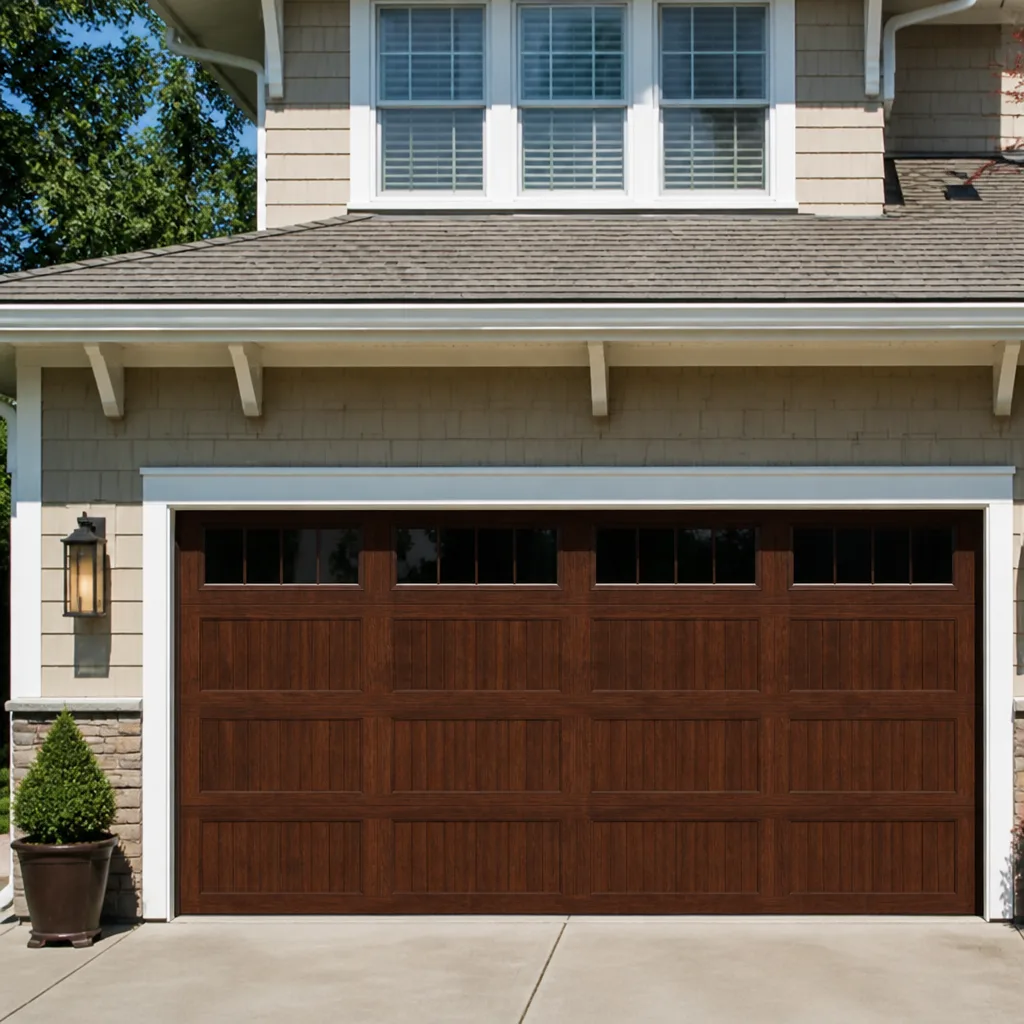
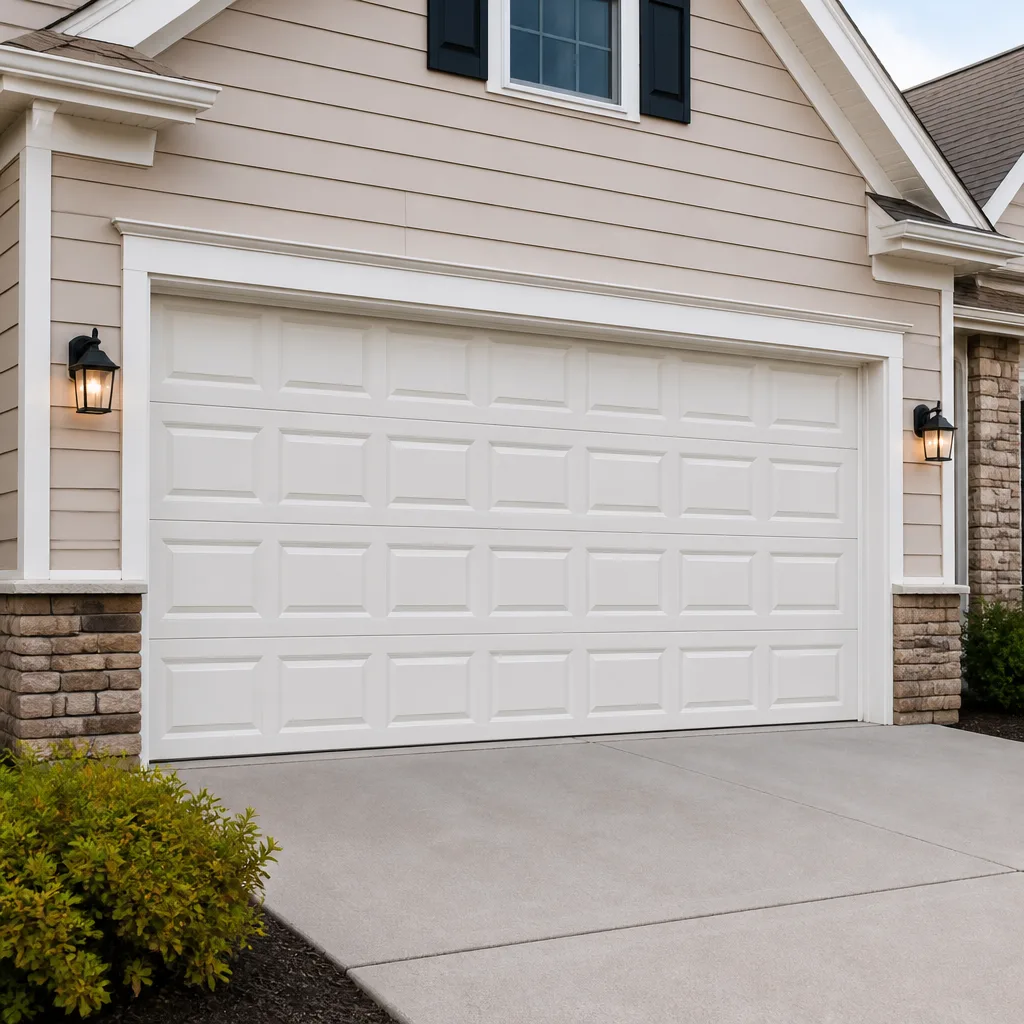 Raised-panel steel
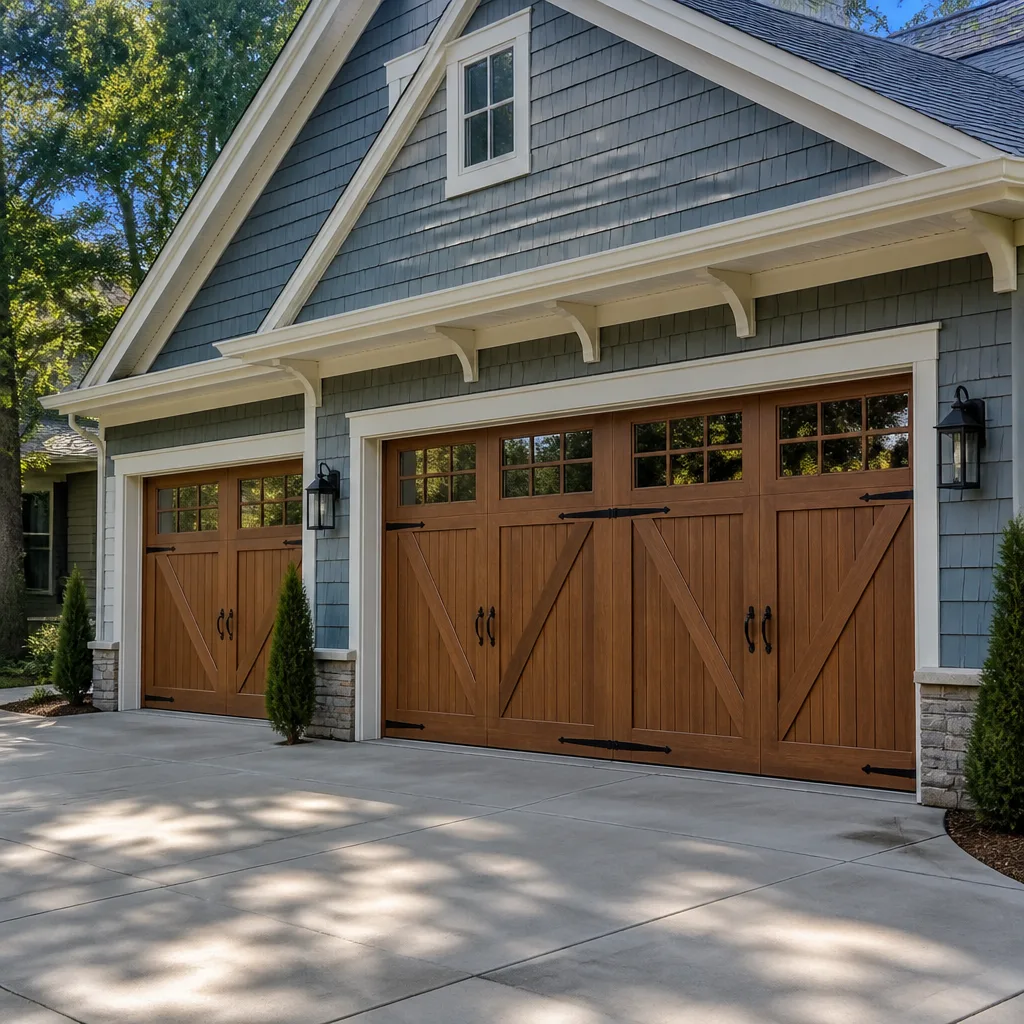 Carriage house
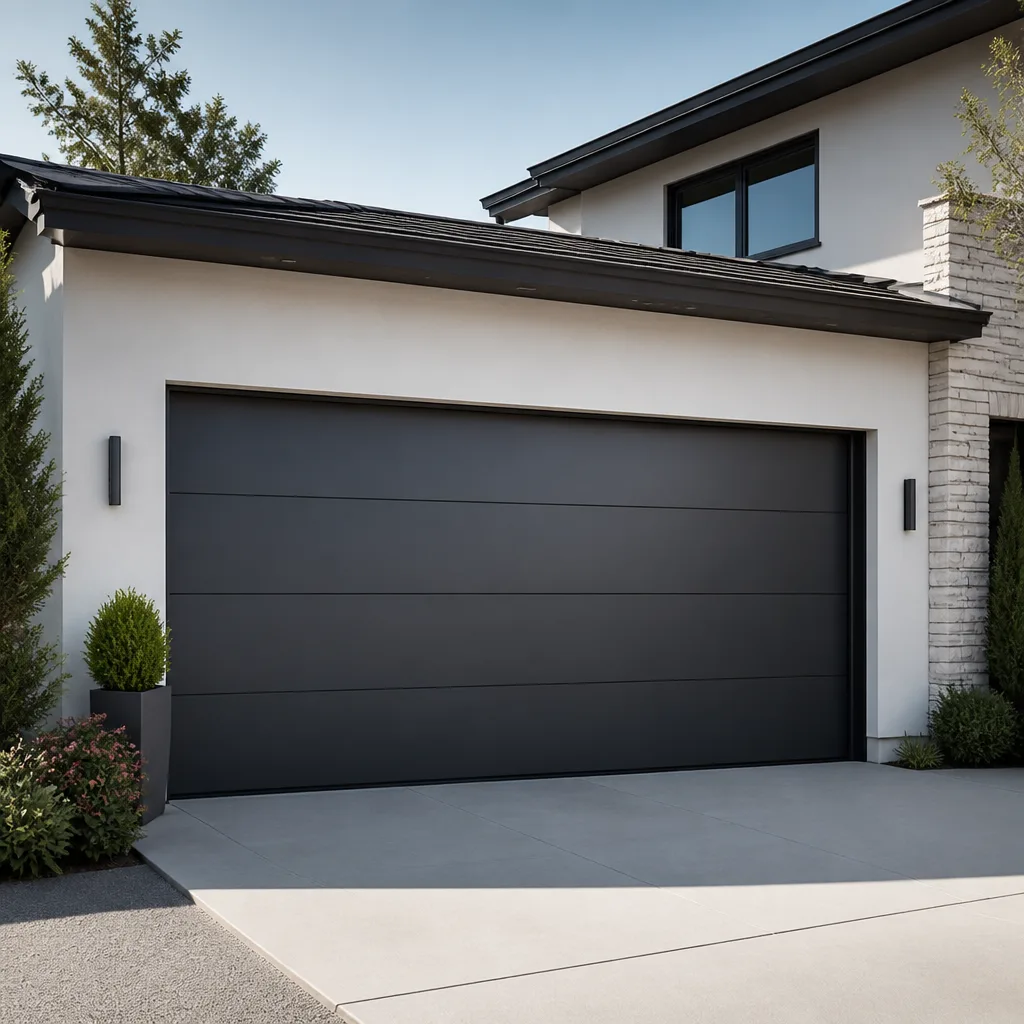 Modern flush
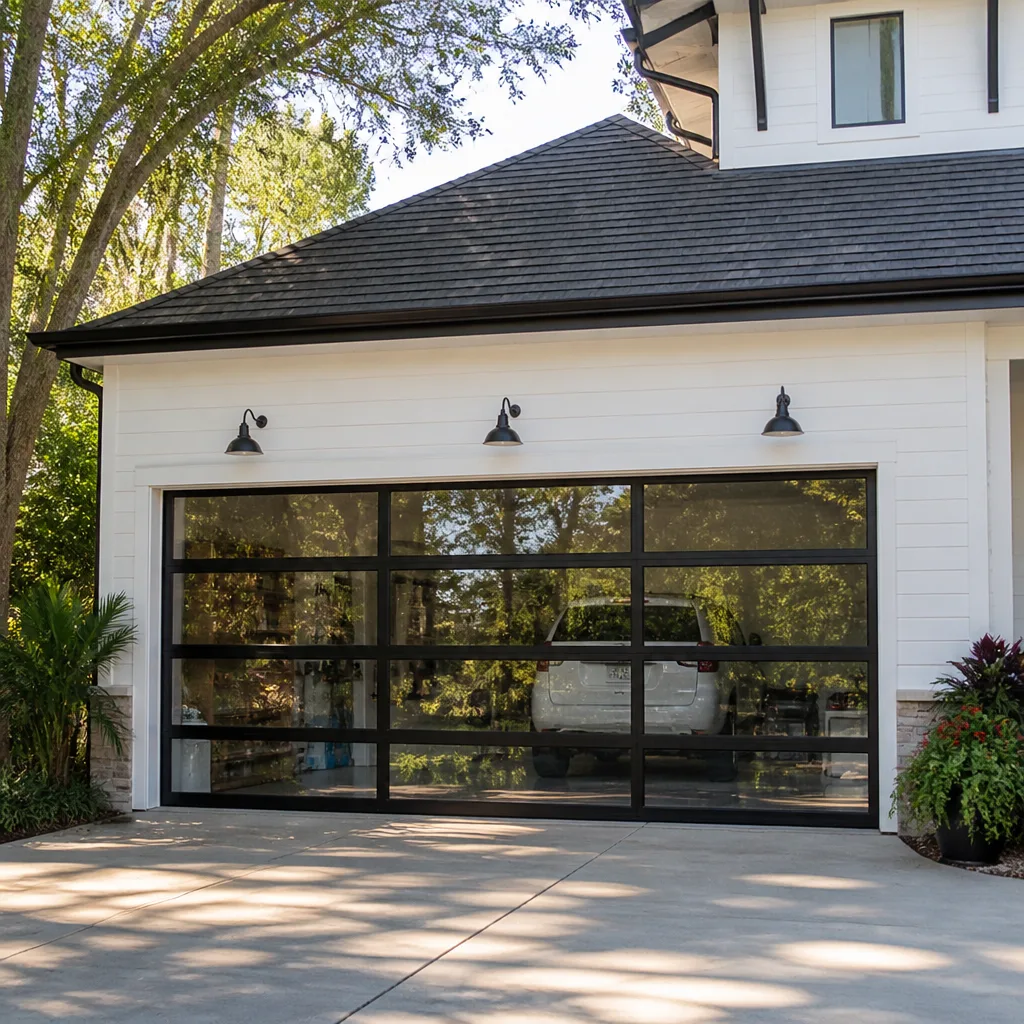 Full-view glass
 LiftMaster openers
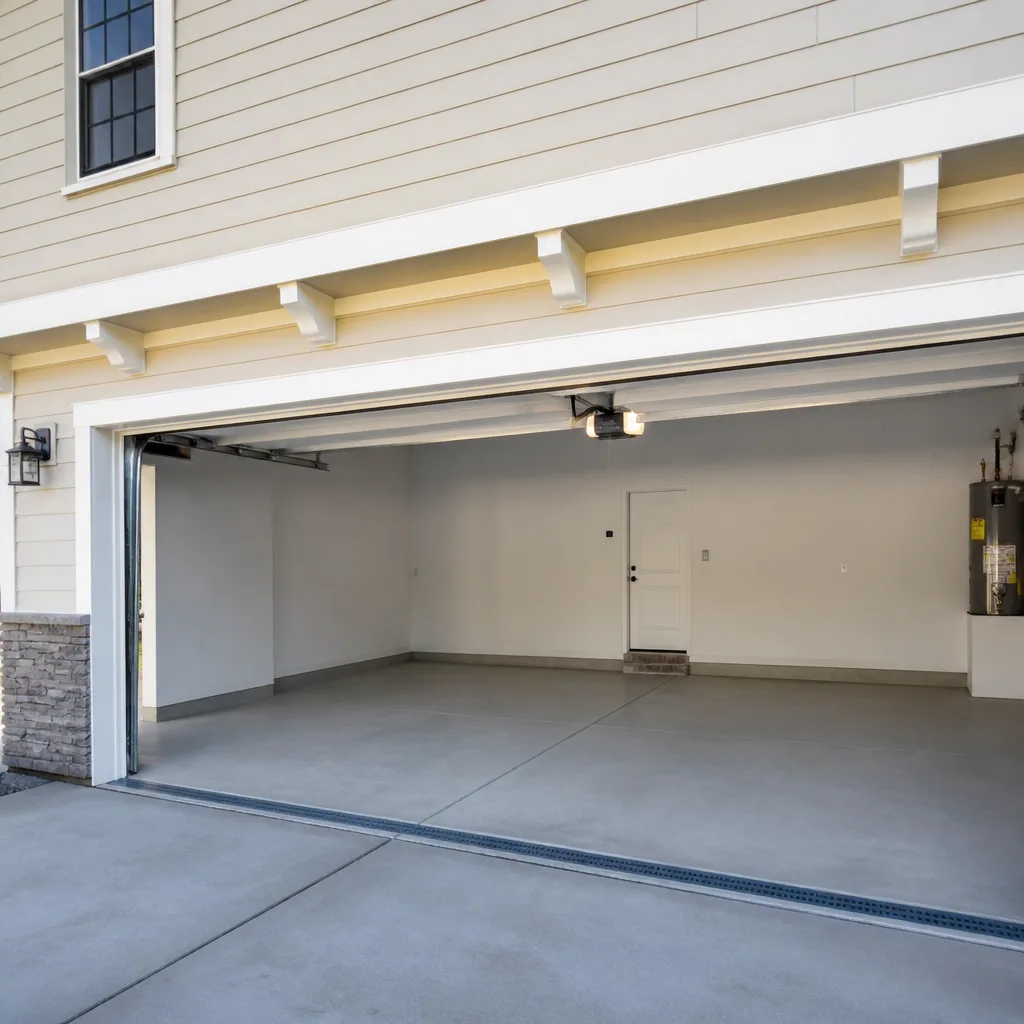 Chamberlain openers
Full 25-point door and opener safety check with every visit - springs, cables, rollers, tracks, and your LiftMaster or Chamberlain opener included
You get a price before we start. It does not change when the pro arrives.
Get your free estimateChoosing the Right Garage Door Brand: A Buyer’s Guide for Salt Lake City
A brand can be the top-rated door nationally and still be a poor choice for Salt Lake City. That’s the part almost nobody tells you. If a finish warranty excludes high-UV environments, or a foam core delaminates under repeated freeze-thaw cycling, the problems show up years after purchase, buried in fine print you never read. The right brand here isn’t the one with the loudest reputation. It’s the one whose steel gauge, insulation system, and finish warranty actually fit our elevation, our sun, and our temperature swings. This guide walks you through all of it, so you pick a door that still makes sense five, ten, and fifteen years from now.
Quick Answer
For a Salt Lake City garage door, the right brand is the one whose steel gauge, insulation system, and finish warranty match our high-UV, freeze-thaw climate, and whose parts are stocked locally when something fails. National ratings matter far less than a door built to handle our specific conditions. We work across eight major brands, so we can match a real product to your home instead of steering you toward whatever a single dealer is required to sell.
Styles & brands we work with
- Raised-panel steel
- Carriage house
- Modern flush
- Full-view glass
- LiftMaster openers
- Chamberlain openers
Table of Contents
- Why the Right Brand Matters More in Salt Lake City
- How to Read a Finish Warranty for UV and Altitude
- Steel Gauge Reality Check: What 24 vs. 25 Gauge Really Means
- Insulation Systems: Polyurethane vs. Polystyrene in Our Climate
- The Local Parts and Service Network Audit
- Why Opener Brand Loyalty Often Beats Door Brand Loyalty
- Diagnosing the Right Fix Before You Replace
- A Step-by-Step Buying Process
Why the Right Brand Matters More in Salt Lake City
Garage doors fail in ways that trace directly back to climate, and Salt Lake City puts a door through a lot. We sit at high elevation with intense solar exposure. Doors baked by strong sun through most of the year take a real beating on the finish and the steel. Then winter brings repeated freeze-thaw cycles: the door warms in the day and chills hard at night, again and again. Over a season that cycling works on the insulation core, the weather seals, and the joints.
What that means practically is simple. A door that’s a fine value in a mild, humid climate may be a poor fit here. The brand behind it may be reputable and still not build for what Salt Lake City throws at a door. Assembling a garage door system that will be serviced for years depends on three things: steel that resists denting, a finish that survives UV without chalking, and an insulation core that holds together through thermal cycling.
Where a door sits on your home matters too. On a west-facing door in Salt Lake City, especially through neighborhoods like Rose Park or the Avenues where the sun hits a driveway for long stretches, the UV load climbs and finish failures surface faster than on a shaded north-facing door. That’s a local angle a national review never captures.
We work across all the major residential brands – Clopay, Amarr, Wayne Dalton, and others – so we can match a product to a specific door opening instead of pushing what a franchise requires. That’s the advantage of a specialist that handles Cypress Garage Door Service across the full lineup. You get a straight recommendation, not a script.
How to Read a Finish Warranty for UV and Altitude
The finish warranty is the single most overlooked document in a garage door purchase, and in Salt Lake City it’s the one that often decides whether your door still looks the way it did on day one after several summers. Read the fine print on exclusions before you buy. Not after the paint starts to chalk.
Here’s what to scan for, in order:
- UV and solar exclusions. Some warranties limit coverage or exclude claims tied to high solar exposure or environments the maker considers severe. High-elevation Salt Lake City receives strong sun, so any clause that excludes “high-UV environments” is a red flag for a door that faces the weather.
- Altitude references. A few warranties mention elevation limits. If a maker treats our elevation as outside normal use, you want to know that before signing, not after a claim is denied.
- The coverage length on the finish itself. A multi-year finish warranty sounds reassuring until you see the finish is only covered for part of the overall warranty period. Separate the paint or finish term from the structural and hardware terms.
- Color and fading clauses. Dark, saturated colors absorb more heat and can fade differently than lighter finishes under intense sun. Some warranties treat fading on darker colors more strictly. Ask directly.
- Required maintenance. Some warranties are void without documented upkeep. Know what the maker expects so a future claim isn’t refused over something basic.
When a finish warranty reads cleanly for UV and altitude, that’s a strong signal the maker built the door with places like Salt Lake City in mind. When it’s full of exceptions, the door may cost less up front and cost you more in appearance later. The finish warranty is where that gap shows up first.
Steel Gauge Reality Check: What 24 vs. 25 Gauge Really Means
Steel gauge is where marketing gets slippery. The lower the gauge number, the thicker the steel, and thickness is what stands up to impact. A 24-gauge door uses heavier steel than a 25-gauge door. That difference sounds tiny on a spec sheet, but it changes how a door holds up season after season.
Why it matters in Salt Lake City comes down to wind-driven debris and impact. A thinner door dents more easily, and once a panel dents, the fix is often a panel replacement rather than a touch-up. Thicker steel gives more margin. It’s not that a 25-gauge door can’t work well for a light-use home. It’s that if your door faces the weather and sees real impact over the years, the extra thickness is worth considering.
How to use gauge as a buying signal:
- Compare like spec sheets. Ask each brand what gauge steel its comparable door uses. If a maker won’t state the gauge plainly, that tells you something.
- Weigh gauge against insulation. A thicker door is heavier, which is fine with a properly rated opener but worth matching. We look at both together when we recommend a system.
- Think about the opening, not just the door. A double-car door spans more distance than a single, so rigidity and hardware quality matter more the wider the opening gets.
- Don’t buy gauge alone. Thick steel with a weak finish still chalks under our sun. Gauge protects against denting; the finish protects against UV. You want both.
In our experience, the homeowners who are happiest with a purchase years later are the ones who compared gauge and finish together, not either one by itself. A door is a system. Gauge is one number in a longer conversation about what fits your home and your use.
Insulation Systems: Polyurethane vs. Polystyrene in Our Climate
Every insulated garage door uses one of two core materials: polyurethane foam or polystyrene. The marketing around insulation is built on national R-value comparisons, but your real question in Salt Lake City is different. You want to know which core holds up better under repeated freeze-thaw cycling. That’s where polyurethane and polystyrene part ways.
Polyurethane is injected as a liquid and expands to fill the panel cavity completely, bonding to the steel skin. That full-fill, bonded build resists delamination better when a door goes through warm days and cold nights repeatedly. Polystyrene is a rigid board, usually called a batt, inserted into the panel. It insulates well and costs less, but it doesn’t bond to the skin the same way, so over many cycles there’s more room for separation and gaps.
How to think about the choice:
- Polyurethane for durability under thermal cycling. If your door takes strong sun and hard overnight cold through winter, the bonded, full-fill core is the more forgiving build.
- Polystyrene for cost-conscious projects. It’s a legitimate choice for a door that sees less extreme exposure or where budget is the deciding factor.
- Ignore the national R-value arms race. R-value matters, but a very high number on a core that separates from the skin over years is worth less than a solid, well-built door that keeps its shape.
- Check the seals and joints. Insulation is only as good as the weather stripping around it. Our freeze-thaw cycle stresses seals, so the build quality of the whole door counts, not just the core.
When we look at a door in Salt Lake City, we look at how the whole thing is put together: core, skin, seals, and hardware. A brand that gets the insulation system right tends to get the rest right too.
The Local Parts and Service Network Audit
Here’s a question almost no buyer asks, and it’s the one that matters most down the road: when this door needs a part five years from now, is that part stocked nearby or shipped from out of region? A brand with strong Wasatch Front distribution support means faster repairs and a technician who can order the exact part rather than improvise a workaround. A brand that ships everything from far away can mean longer waits and more compromise when something breaks.
How to run this audit before you buy:
- Ask who carries the brand locally. A brand with established regional distributors is easier to service. A brand with no regional support is a future headache.
- Ask about part availability, not just new doors. A company can sell you a door today and still struggle to source a replacement panel or opener component later. Ask specifically.
- Check whether the service side knows the brand. The value of a local specialist is that it already knows the makes it services. That’s why we frame it as a benefit to you: because we know garage door repair across the major brands, we can order the correct part instead of a workaround.
- Consider the opener ecosystem. LiftMaster and Chamberlain units share the myQ ecosystem, and legacy systems like older Craftsman doors are common. A brand that plays well with these systems is easier to service long term.
- Think fifteen years out. A door is a long-lived purchase. The brand that supports you through its whole life is worth more than the one that wins on price today.
Some brands have a solid Wasatch Front presence and others don’t, and the difference shows up years later when a panel is damaged or an opener fails. Ask the question at purchase, while you still have leverage.
Why Opener Brand Loyalty Often Beats Door Brand Loyalty
Homeowners usually focus all their attention on the door, but the opener is the part they interact with every day for years, and the part most likely to need service. That’s why opening-brand loyalty often matters more than door-brand loyalty when you plan a system you’ll be servicing for over a decade. The door brand determines how the door looks and holds up. The opener brand determines how reliably the door opens, whether the smart features work, and how easy a repair is later.
The leading openers come in a few drive styles – chain, belt, screw, and direct-drive – and the differences matter for noise, wear, and what kind of repair you’ll face. A belt drive is quieter than a chain. A direct-drive design has fewer moving parts to wear. Matching the drive style to the door’s weight and your home is part of choosing well.
Then there’s the smart-home layer. LiftMaster and Chamberlain’s myQ ecosystem is widely used, and legacy systems like older Craftsman openers are common across Salt Lake City homes. When the opener brand is one that local technicians know well, garage door opener repair becomes a straightforward job instead of a guessing game. We service both current smart-opener platforms and legacy units, so a brand you already own is one we can diagnose.
The practical takeaway: pick a door brand for climate and build quality, but pay real attention to the opener brand too. A door that’s perfect but paired with an opener nobody can service locally is a poor long-term system. We evaluate both together when we put a system recommendation on paper.
Diagnosing the Right Fix Before You Replace
Before you assume a brand change fixes your problem, it’s worth knowing what’s actually wrong. Many doors that get replaced didn’t need a new door at all. A bent panel, worn hardware, or a tired opener can often be repaired rather than thrown away, and knowing the difference saves real money. This is where a specialist earns their keep: diagnosing the system in front of them instead of selling a replacement by default.
A typical evaluation walks through the same checkpoints every time:
- Check the door and hardware first. Panels, hinges, rollers, tracks, and springs are examined before anyone talks about a new door.
- Check the opener separately. Drive style, age, and condition of the opener tell you whether the problem lives there.
- Match the fix to the finding. Sometimes it’s a repair, sometimes a component swap, and sometimes a replacement is genuinely the right answer. The point is that the recommendation follows the diagnosis.
- Put the estimate in writing. The price is set per job by the written estimate, and it’s quoted and agreed before any work starts. No surprise invoice.
If you’re weighing repair against replacement, we’re glad to lay out both on a free estimate for Salt Lake City homeowners. A door that’s already the right brand may just need the right fix.
A Step-by-Step Buying Process
Here’s a buying order to follow, whether you go with Clopay, Amarr, or any other brand. It keeps the decision grounded in what your home actually needs instead of what a showroom is pushing.
- Confirm repair versus replace. Get a diagnosis before you shop. You may not need a new door.
- Read the finish warranty for UV and altitude. This is the first filter for Salt Lake City. If the fine print excludes high-sun environments, look elsewhere.
- Compare steel gauge honestly. Ask what gauge each comparable door uses and weigh it against how much impact your opening sees.
- Choose the insulation core. Polyurethane for durability under thermal cycling, polystyrene for cost-conscious projects. Don’t buy on national R-value alone.
- Run the parts and service audit. Confirm regional parts availability and that local technicians know the brand.
- Pick the opener brand with the door. Match drive style to the door and choose a brand that’s serviceable locally.
- Get the estimate in writing. The written estimate sets the price, agreed before work begins.
The rough order of magnitude for a door decision is that the brand you pick should be the one that best matches all seven steps, not just the one with the most recognizable name. That’s how you get a system that still works for you many years from now.
Common Mistakes to Avoid
- Choosing on name recognition alone. A nationally rated brand can still be a poor fit if its finish warranty excludes high-UV environments. Read the fine print before you commit.
- Buying on R-value marketing. A very high number on a core that separates under our freeze-thaw cycling is worth less than a solid build. Look at the whole door.
- Ignoring the local parts network. A door that needs a part shipped from out of region will cost you time later. Confirm regional availability before you buy.
- Treating the opener as an afterthought. The opener is the part you use daily. Match its brand and drive style to the door rather than taking whatever’s bundled.
- Replacing a door that just needed a repair. A bent panel or worn hardware isn’t always a replacement. Get a diagnosis first.
- Skipping the written estimate. Verbal numbers drift. The written estimate is the price, agreed before work starts.
- Facing the sun wrong. Overlooking how a west-facing door in Salt Lake City takes more UV than a shaded one can lead to faster finish wear. Match the door to the exposure.
See the difference
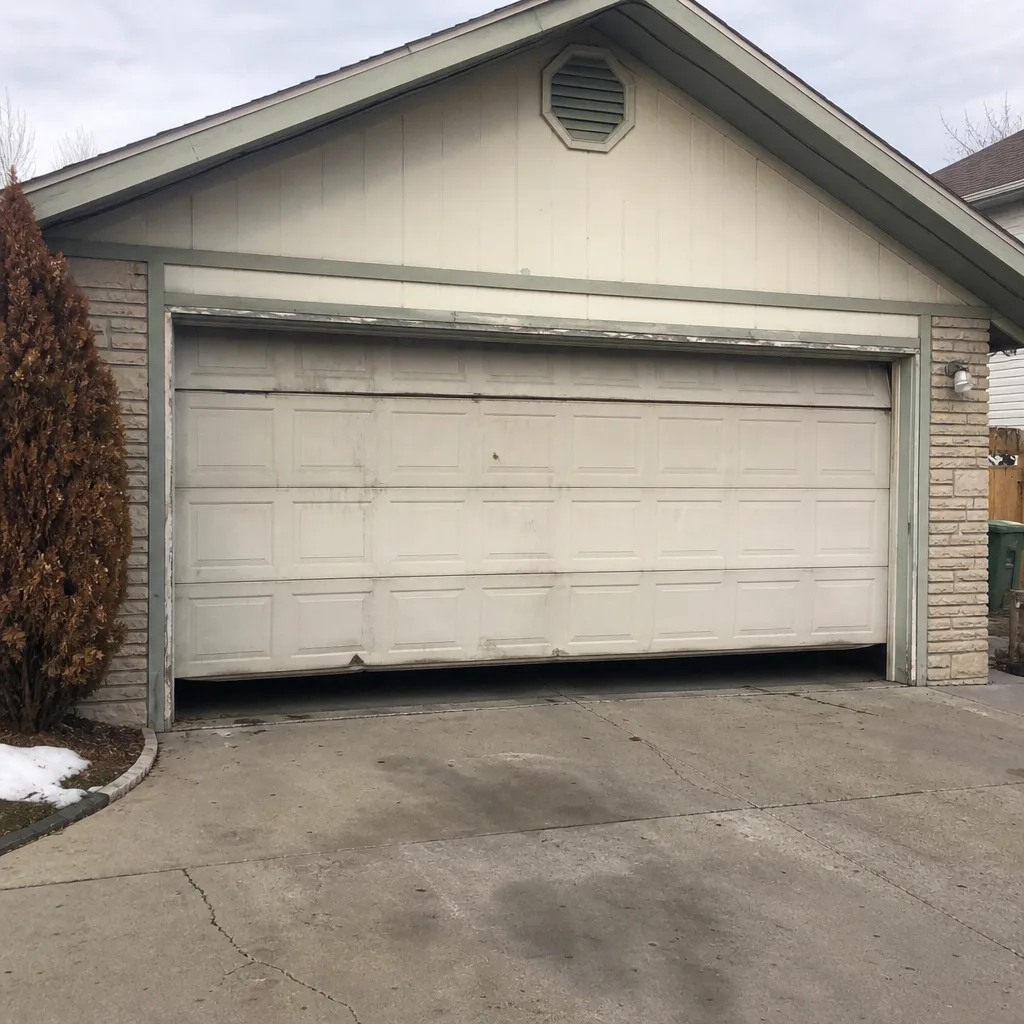 Before
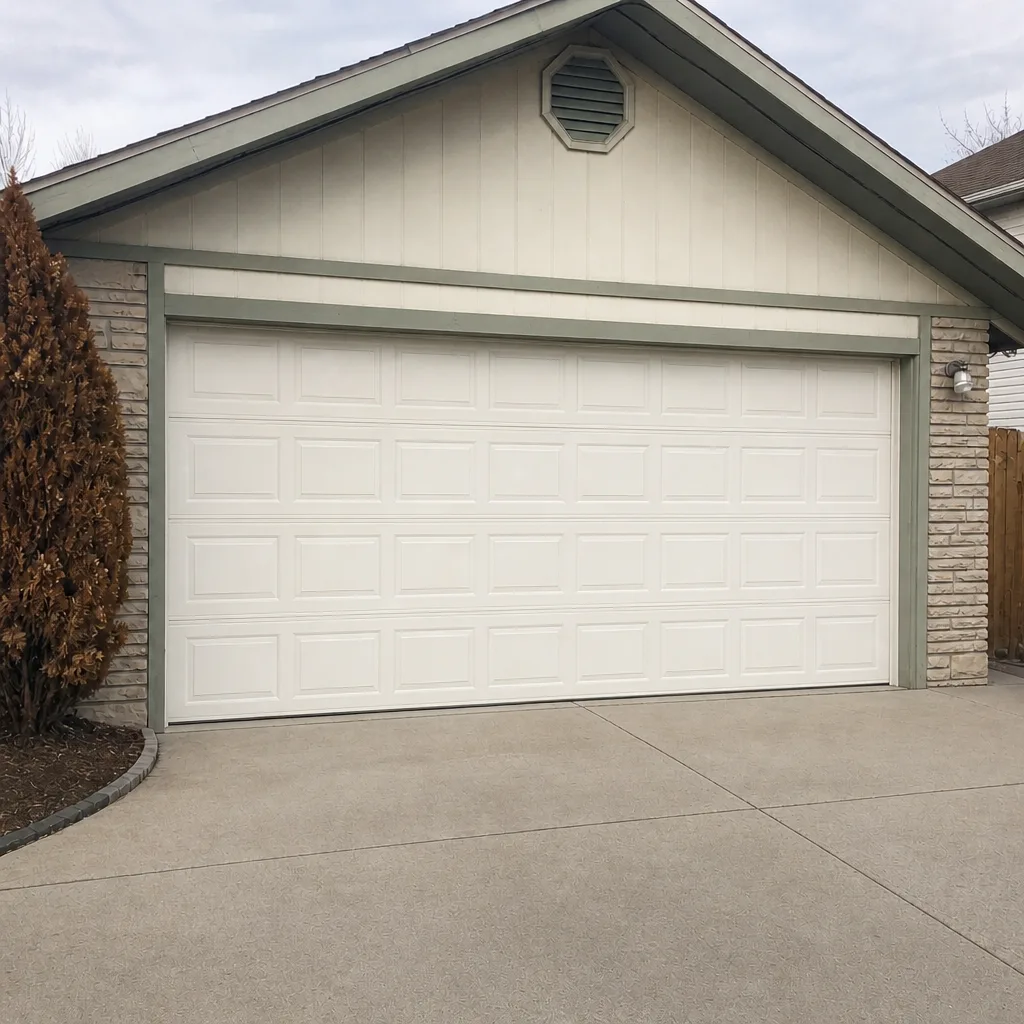 After
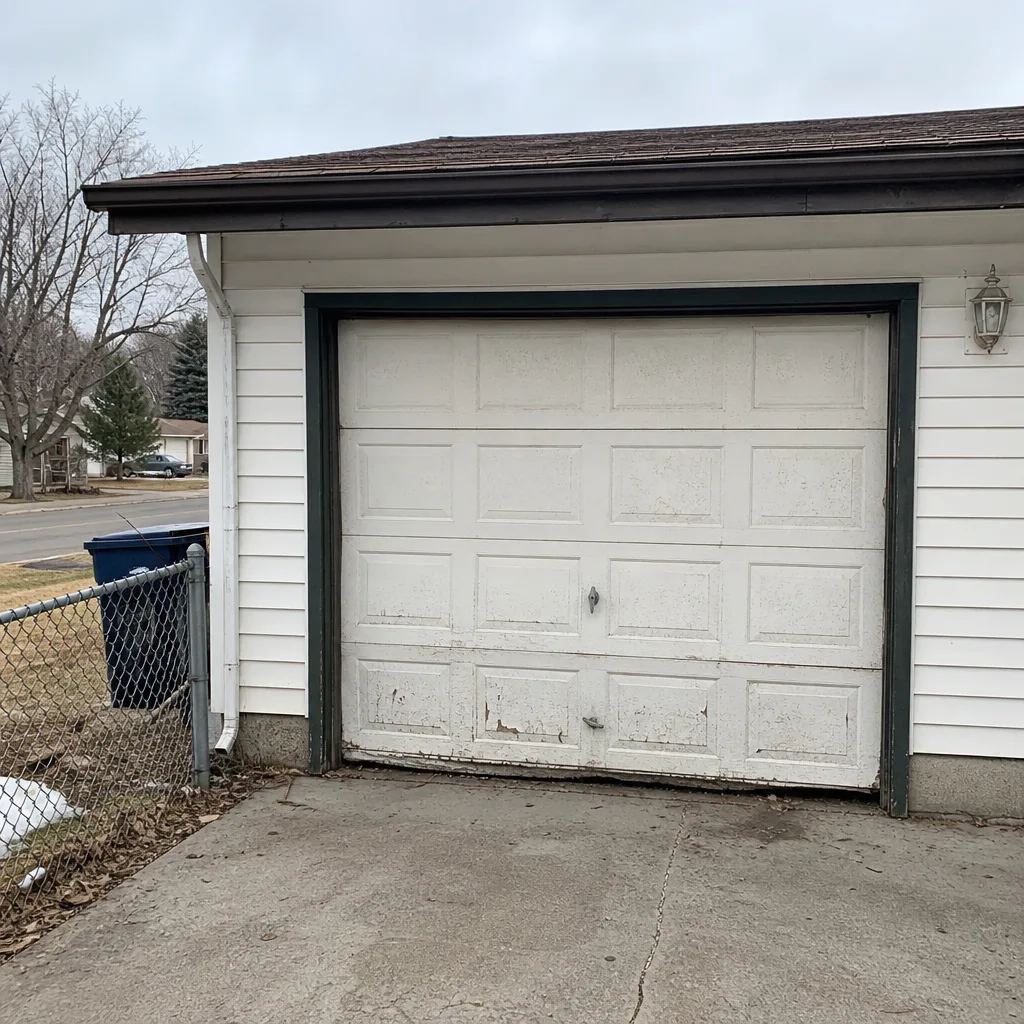 Before
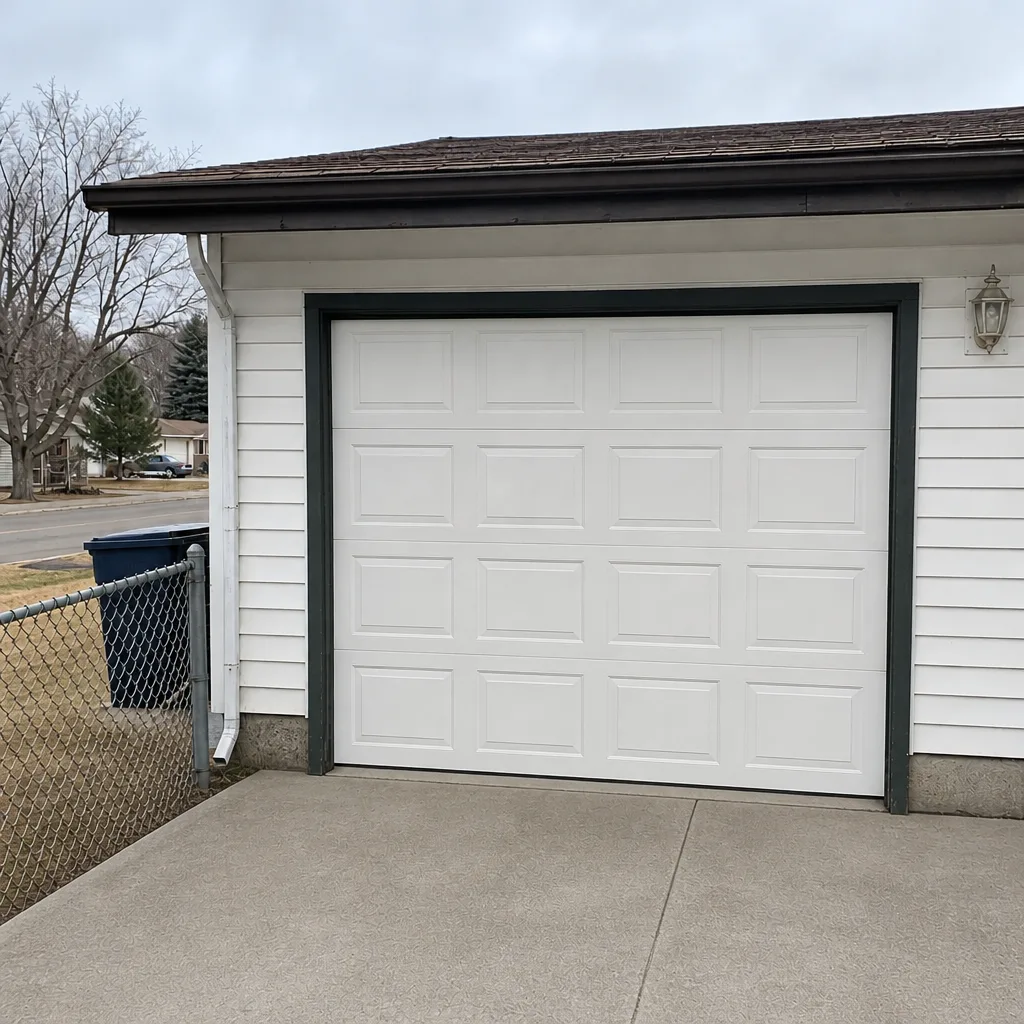 After
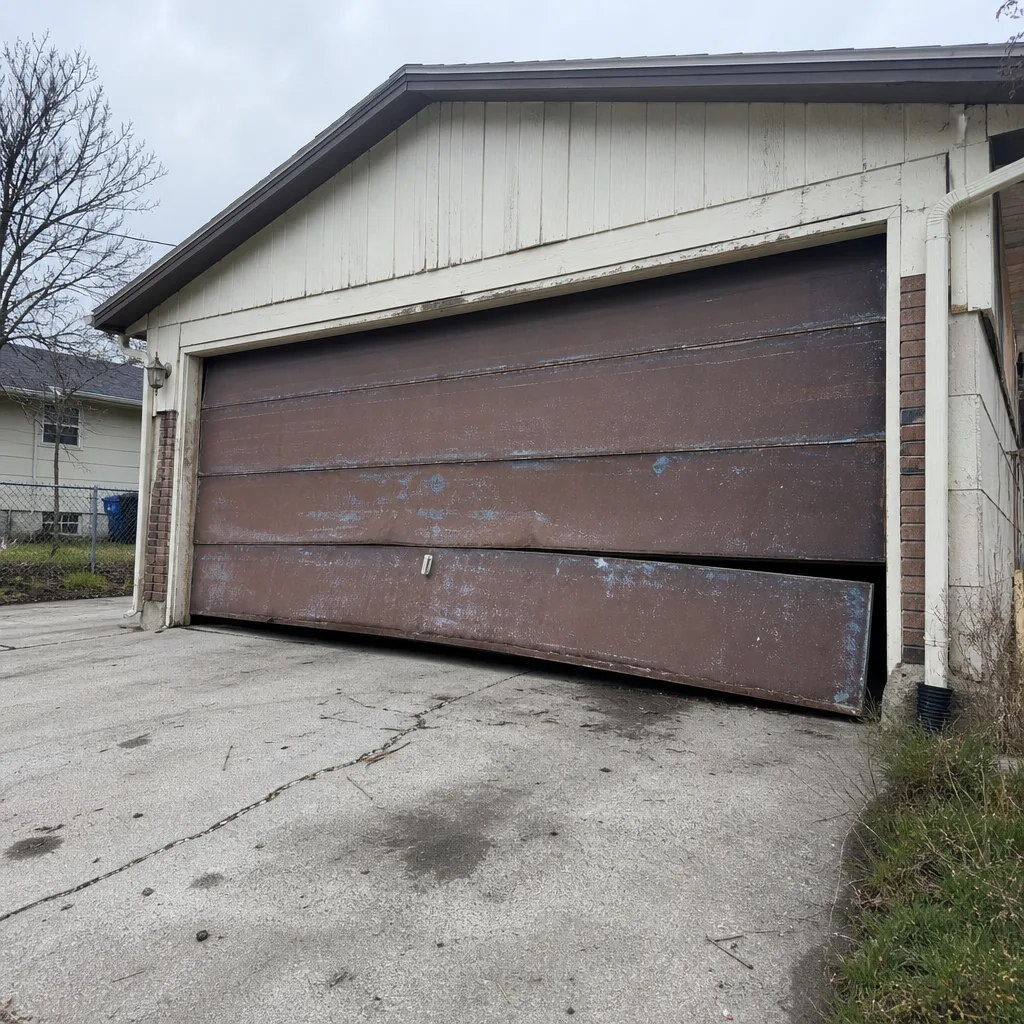 Before
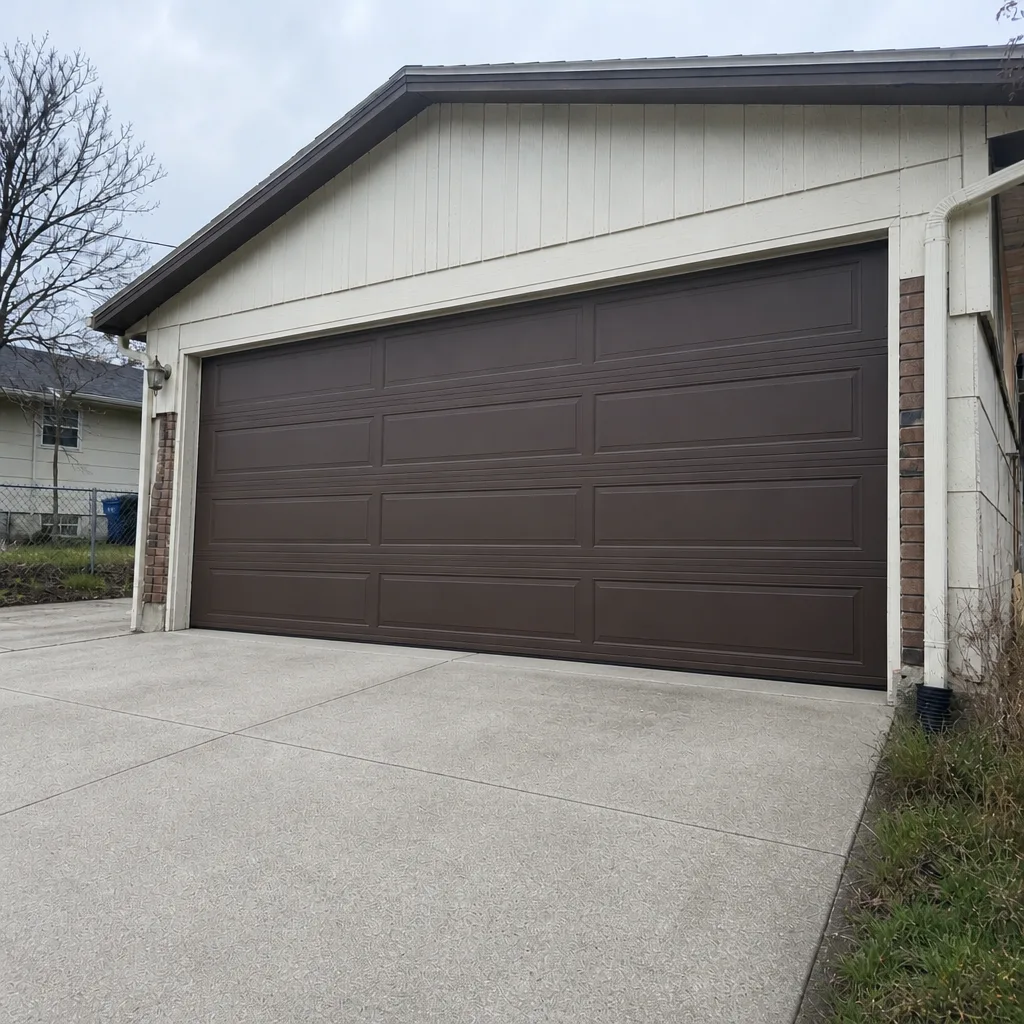 After
When to Call a Professional
There’s a point where brand research stops helping and hands-on diagnosis takes over. Call us when a damaged panel seems beyond a simple fix, when your opener runs but the door doesn’t, or when you can’t tell whether repair or replacement is the right move. Garage doors involve high-tension springs and cables that are genuinely dangerous to handle, so anything that touches the spring or cable system is a job for a trained technician, not a weekend project. If you’re mid-research and need a straight answer on what your door actually needs, that’s a conversation worth having before you spend a dollar. Cypress Garage Door Service offers free estimates in Salt Lake City and works across the major brands, so we can tell you what fits. Call (866) 389-4585. We answer 24/7. Fast dispatch from 7am to 7pm, Sunday through Friday. Our technicians have up to experience diagnosing and repairing the system in front of them.
Frequently Asked Questions
The right brand is the one whose steel gauge, insulation system, and finish warranty match our high-UV, freeze-thaw climate and whose parts are stocked locally. There’s no single best name. Look at how a brand builds for our conditions and confirms regional parts support, then match it to your home. Call (866) 389-4585 for an exact recommendation, since estimates are free.
Read the fine print for UV, solar, and altitude exclusions, and separate the finish term from the structural and hardware terms. Any clause that excludes high-UV environments or treats our elevation as outside normal use is a red flag. When the warranty reads cleanly, the brand built for places like Salt Lake City. If you’re unsure, call us and we’ll walk you through it.
Yes, the lower gauge number means thicker steel, and thicker steel resists denting better under impact. For a door that faces weather and sees real use in Salt Lake City, the extra thickness gives more margin. But gauge protects against denting, not UV, so pair it with a finish that survives our sun. Call for an exact quote on a door that fits both.
Polyurethane bonds fully to the steel skin and resists delamination better under our repeated freeze-thaw cycling, while polystyrene board is a solid, cost-conscious choice for less exposed doors. Choose the core that matches your exposure and budget, not the biggest national R-value number. Call (866) 389-4585 for a free estimate.
Often more, because the opener is what you use every day and what usually needs service first. Brands like LiftMaster and Chamberlain share the myQ ecosystem, and older Craftsman units are common, so a locally serviceable opener brand makes future repairs easier. We service both current smart openers and legacy units.
No. The price is quoted and agreed before any work starts, and the written estimate sets it. We inspect the door and opener, diagnose the actual problem, and put a per-job estimate on paper, so the number you agree to is the number you pay. Call (866) 389-4585 for a free estimate.
The Bottom Line
Choosing a garage door brand for Salt Lake City is a climate and support decision, not a popularity contest. Match the door’s steel gauge and insulation core to our sun and our freeze-thaw cycling. Read the finish warranty for UV and altitude exclusions before you sign. Confirm that parts and service exist locally so a repair years from now doesn’t turn into a wait. And give the opener its own weight in the decision, because that’s the part you’ll touch every day. Get the estimate in writing, agreed before work starts. Do those things and the brand question answers itself.
Written by the team at Cypress Garage Door Service.