
Last updated November 15, 2026
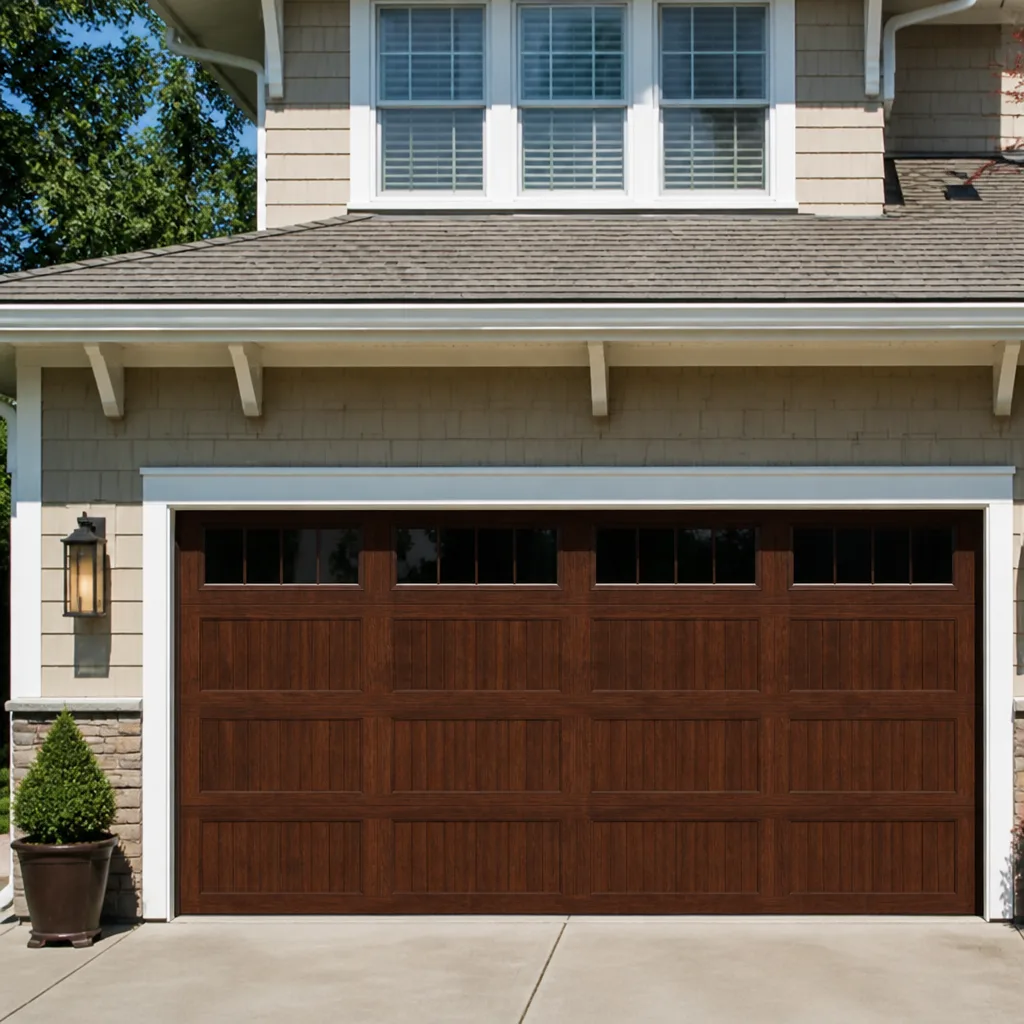
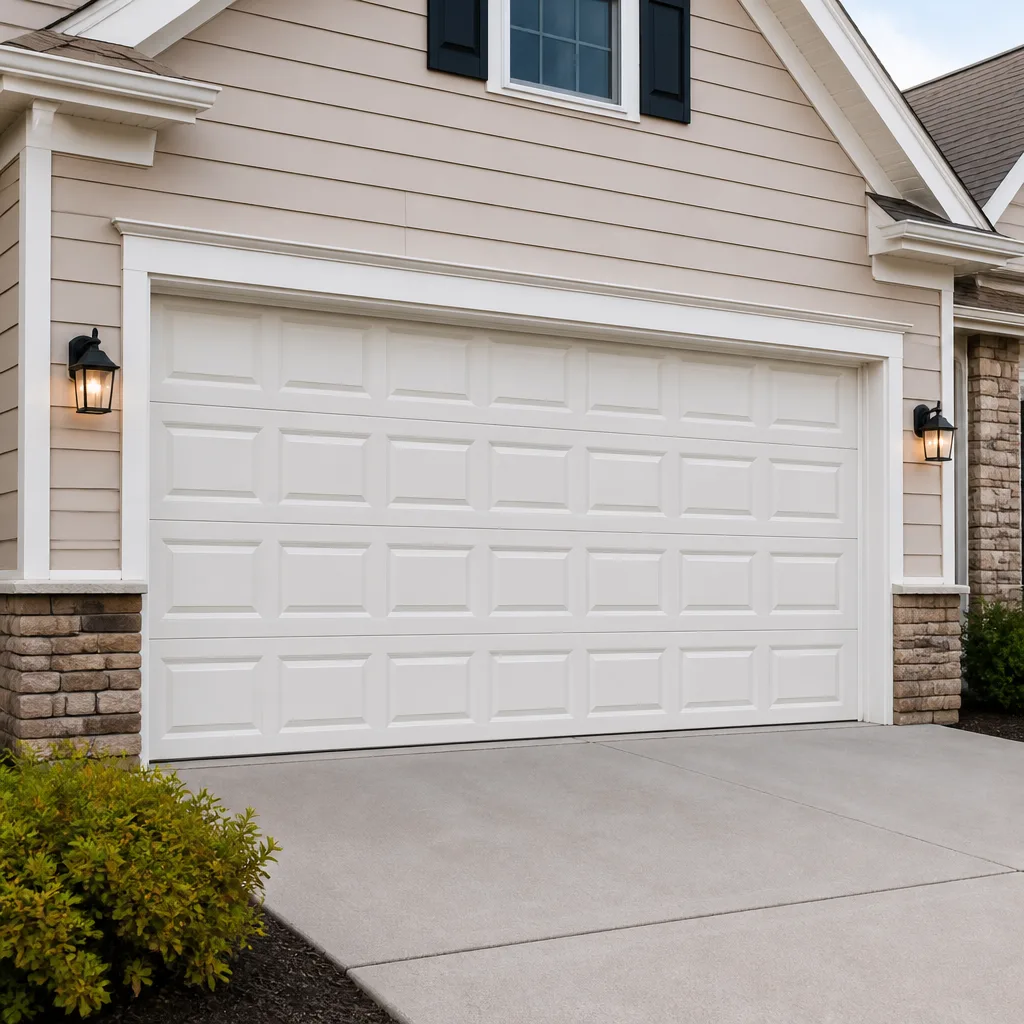 Raised-panel steel
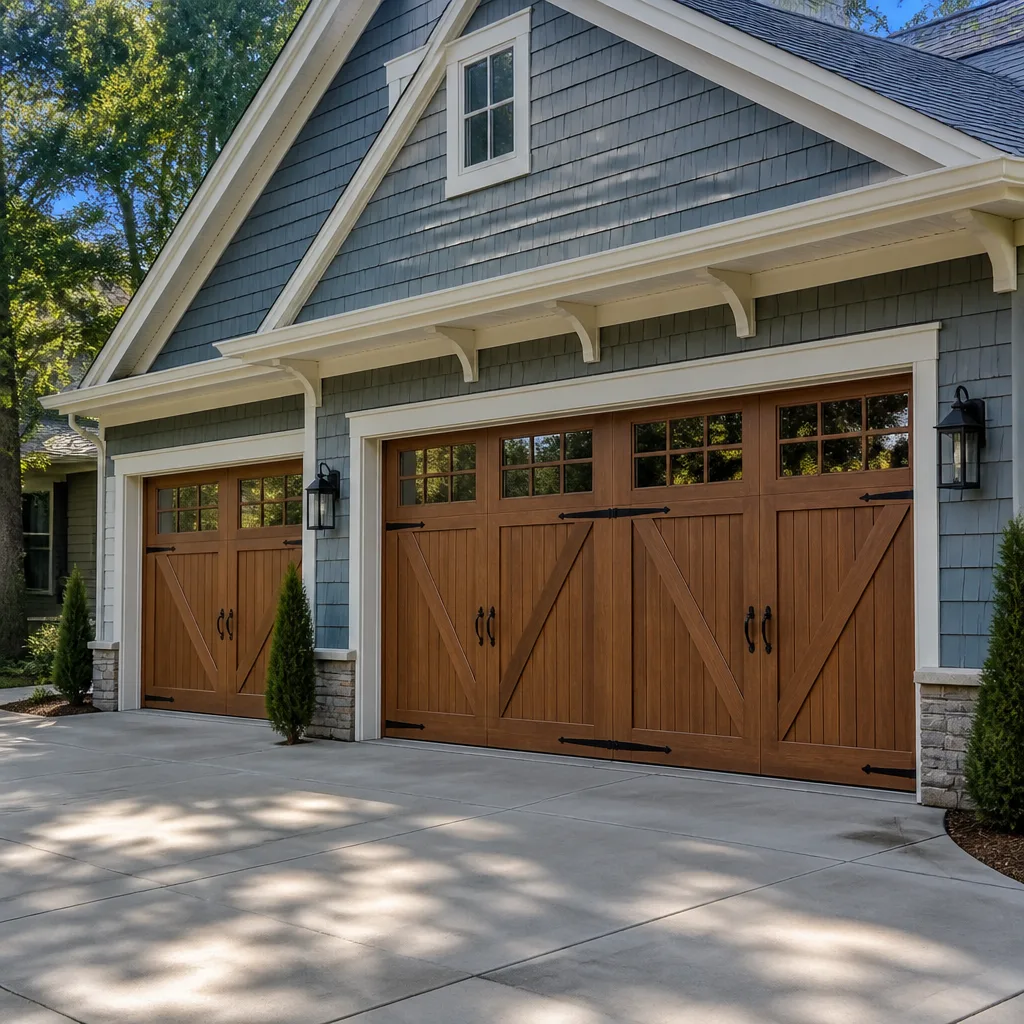 Carriage house
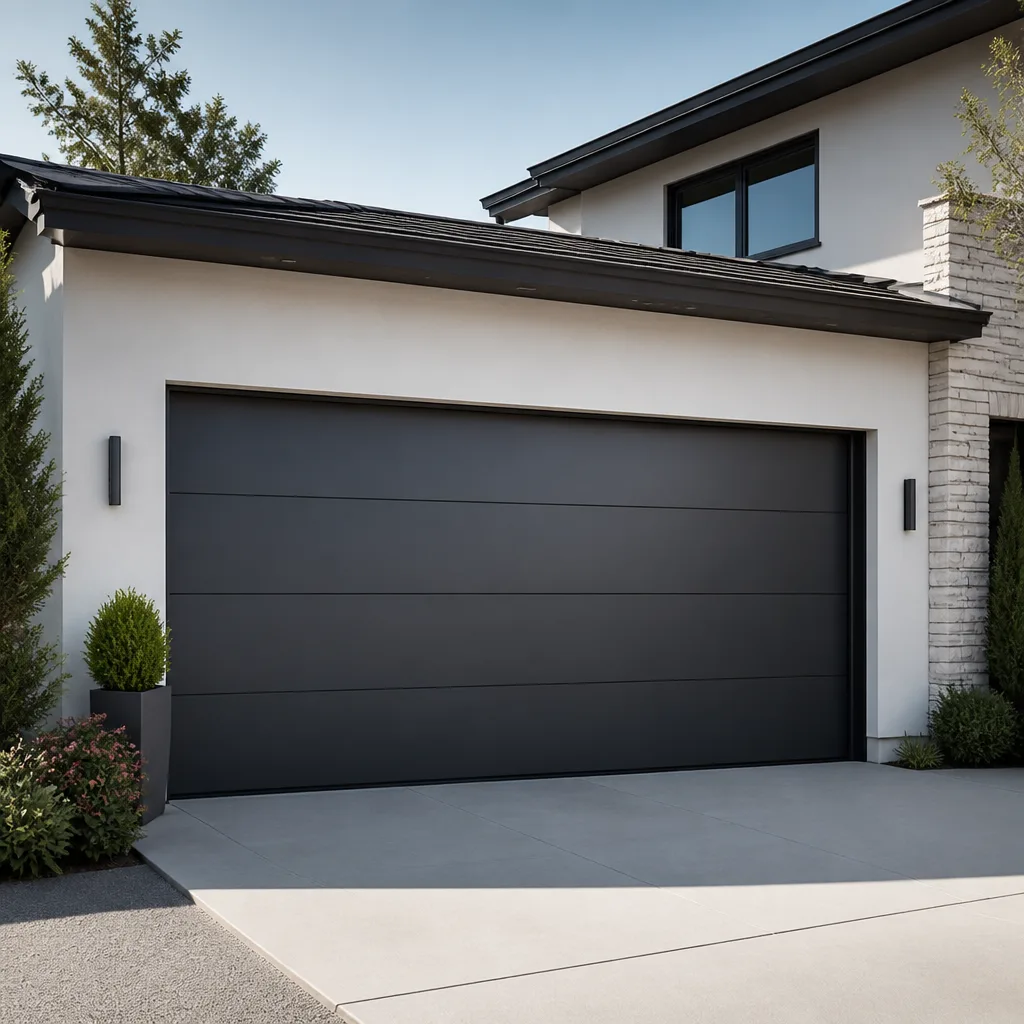 Modern flush
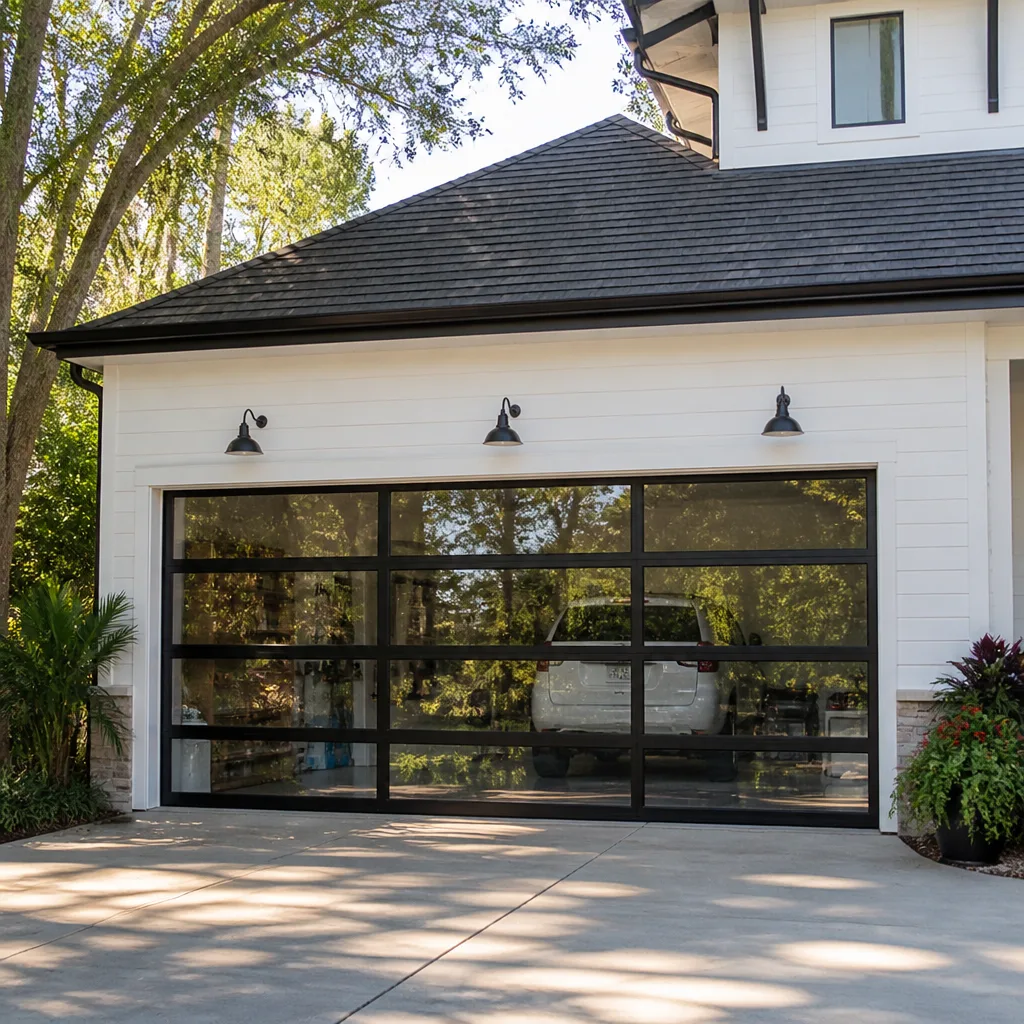 Full-view glass
 LiftMaster openers
 Chamberlain openers
Full 25-point door and opener safety check with every visit - springs, cables, rollers, tracks, and your LiftMaster or Chamberlain opener included
You get a price before we start. It does not change when the pro arrives.
Get your free estimateGarage Door Repair Troubleshooting in Salt Lake City: Common Problems and How to Fix Them
A door that reverses before it touches the ground and a door that won’t move at all look like two different failures. In our experience around Salt Lake City, they often share the same root cause, and mixing up which is which is the most expensive diagnostic mistake a homeowner can make. You end up paying a technician to examine a safety sensor when the actual problem is a failing spring, or vice versa. This guide teaches you to read the symptoms your door is already showing you. You’ll learn which of five mechanical causes is most likely, how Utah’s temperature swings throw off spring tension and sensor alignment in ways milder climates never see, what a specific noise tells you, which checks are safe to make and which are not, and how to decode the blink codes your opener is broadcasting. By the end, you’ll know whether you’re dealing with something small or something that needs a trained hand.
Quick Answer
Most garage door problems in Salt Lake City come down to one of five causes: worn springs, misaligned or dirty safety sensors, a failing opener drive or logic board, damaged rollers and hinges, or a door that has been knocked out of track. Start by watching and listening to the door through a full open-and-close cycle, note which part of the trip fails and what sound it makes, then check the opener’s blink code. That narrows the field before anyone picks up a tool.
Styles & brands we work with
- Raised-panel steel
- Carriage house
- Modern flush
- Full-view glass
- LiftMaster openers
- Chamberlain openers
Table of Contents
- How a Garage Door Actually Works (and Where It Fails)
- The Symptom-to-Cause Decision Tree
- How Utah Temperature Swings Change Garage Door Behavior
- Which DIY Checks Are Safe and Which Aren’t
- How to Decode Your Opener’s Blink Codes
- What Your Door’s Noise Is Telling You
- Red Flags That a Small Fix Has Become a Structural Problem
- What Garage Door Repair Typically Costs
How a Garage Door Actually Works (and Where It Fails)
A sectional garage door is a balanced system, not a simple motorized panel. Every part shares load with the others, which is why one worn component can make the whole door misbehave. Understanding the moving pieces is the first step to knowing which one is failing.
The major component groups are:
- Springs – torsion springs on a shaft above the door, or extension springs along the horizontal tracks. They carry most of the door’s weight. Nearly every “door is too heavy” or “door slams shut” complaint traces here.
- Opener and drive – the motor unit and its chain, belt, screw or direct-drive mechanism, plus the carriage that pulls the door. Drive systems wear differently; a worn belt whines where a worn chain clatters.
- Safety sensors – the paired eyes near the floor on each side. When they lose alignment or pick up dirt, the door usually reverses immediately after starting down.
- Rollers, hinges and tracks – the running gear. Worn rollers make noise; bent tracks make the door drag or jump.
- Panels and framing – the door face itself. Panel damage can carry into track alignment and weight distribution.
Because we work across LiftMaster, Chamberlain, Genie and Raynor systems, we diagnose the actual hardware in front of us rather than running a brand-specific script. A Chamberlain belt-drive that reverses has a different likely cause than a Raynor chain-drive that grinds. Knowing your brand on the opener label helps before the technician arrives, and if the issue is clearly in the motor or drive, our garage door opener repair service is the right place to start rather than a general panel call.
The Symptom-to-Cause Decision Tree
Start with what the door actually does, not what you think is broken. This tree turns your observation into a shortlist. Work top to bottom and stop at the first symptom that matches.
- Door reverses partway down, then returns up. First suspect the safety sensors. Check for dirt, spider webs, an object in the path, or a knocked sensor bracket. If the sensors look clear and aligned and the reversal repeats, suspect the opener’s logic board or wiring.
- Door won’t move at all and you hear only a hum or a click. Often a stripped drive gear, a failed capacitor in the opener, or a door binding hard enough to trip the force limit. Listen for the motor running without the door.
- Door opens fine but won’t close, and the light blinks. Usually a sensor or a rotation issue. Decode the blink code next.
- Door is extremely heavy to lift or slams down. Springs. Stop here and do not test further. This is a trained-professional call.
- Door grinds, scrapes or jumps in the track and moves unevenly. Rollers, hinges or track alignment.
- Opener runs but the door disconnects mid-travel. Check the emergency release and the carriage. A pulled release cord or a worn carriage can make the opener spin freely.
If you get to step four, put the phone down and call. A door held up by a failing spring can drop without warning, and no amount of clicking the remote will fix it safely.
How Utah Temperature Swings Change Garage Door Behavior
Salt Lake Valley homes give garage doors a workout that coastal or consistently mild markets don’t. Two things drive it: winter lows that reach well below zero and summer highs that top 100°F. That spread moves metal and changes how every lubricated part on the door behaves.
Spring tension and the cold
Steel springs contract in cold weather, and a door that was balanced in October can feel heavy by January. Springs also fatigue faster when they’re worked hard across wide temperature swings. A torsion spring that fails often snaps in the cold, which is exactly why we never suggest a homeowner try to remove or adjust one.
Lubrication viscosity
Grease and lubricant thicken in sub-zero mornings. Rollers that rolled quietly in fall suddenly drag, and the opener has to pull harder to start the door. The scraping or groaning you hear on the first cold morning of the year is often stiff lubricant, not a broken part. It’s worth knowing the difference before you assume the worst.
Sensor alignment
The safety sensors sit low, and Salt Lake City’s freeze-thaw cycle can shift a bracket just enough to knock the eyes out of line. Snow piled against a sensor, or a plow throwing slush, causes the same reversal. Summer dust and grit on the lens cause it too. Simple realignment and cleaning fixes the majority of these.
A door that misbehaves only on the coldest mornings, or only on the hottest afternoons, is telling you the problem is thermal. Note when it happens – that detail alone saves diagnostic time. Our technicians have up to experience reading exactly this kind of pattern across the valley.
Which DIY Checks Are Safe and Which Aren’t
Plenty of garage door troubleshooting is safe to do yourself. Some of it is genuinely dangerous, and the difference matters. Springs and cables store enormous energy, and a mistake there can cause serious injury. Here’s the honest line.
Safe to do yourself
- Visual spring inspection. From the floor, look at the torsion spring above the door. A visible gap in the coil means the spring has broken. You’re only looking, never touching.
- Manual disconnect test. Pull the red release handle, then lift the door by hand to about waist height and let go. A properly balanced door stays put or drifts slowly. If it drops fast, the springs need attention – re-engage the release and call.
- Sensor alignment. Wipe each sensor lens clean and check that both indicator lights are on and steady. Nudge a bracket only if it’s clearly crooked.
- Obstruction check. Clear anything in the door’s path, including a small toy or a swept-up pile of leaves.
- Track and roller look-over. Glance for bent track sections or rollers that have come loose from the hinge.
Leave to a technician
- Adjusting, winding or removing torsion or extension springs.
- Touching the cables on either side of the door.
- Repairing or replacing the opener’s internal gearing or logic board.
- Straightening a track that has bent, or re-hanging a door that has come out of its track.
- Any repair that requires the door to be held open while you work underneath it.
If you’re unsure which side of the line a task falls on, treat it as a professional job. A quick call is cheaper than an injury.
How to Decode Your Opener’s Blink Codes
Your opener is already telling you what’s wrong. Most modern units flash their overhead light in a set pattern when something fails, and reading that pattern narrows the diagnosis before a technician walks in.
The exact patterns vary by brand and model, so find the label on the back or side of the motor unit and note the model number. Here’s the general way the major brands behave:
- LiftMaster and Chamberlain (myQ-compatible units). These share a diagnostic language. A repeated flash count usually points to a safety-sensor obstruction or misalignment on the lower count, and toward a logic or travel-limit issue on higher counts. Because we work extensively on the myQ platform, we read these quickly.
- Genie. Genie units often use a longer flash sequence, and the pattern maps to sensor faults, force-limit trips, or a blocked travel path. Genie’s own model-specific charts are the reference, and matching the model number matters.
- Legacy Craftsman units. Older Craftsman openers flash in simpler patterns, usually pointing to sensor alignment or a worn drive. Age-related wear is common on these, and parts sourcing can take a little longer.
Write down the count and the model number. When you call, that one detail lets us tell you whether the fix is a sensor realignment, a board replacement, or a drive gear. If your opener is a LiftMaster or Chamberlain and the code points to the motor, the panel is usually fine and the opener itself needs the attention.
What Your Door’s Noise Is Telling You
Sound is the most underused diagnostic tool a homeowner has. The type of noise points to a specific component group far more reliably than a vague “it’s loud.” Listen once and match your sound:
- Grinding or a growling rumble. Usually the opener’s drive gear or the rollers on their shafts. A stripped gear in the opener grinds because the motor turns but the drive can’t engage.
- Popping or a sharp bang. Often a torsion spring under stress, or a cable that has jumped its drum. Popping is a stop-and-call sound.
- Scraping or a metal-on-metal drag. Typically a roller has come loose, a hinge is bent, or the door is rubbing the track on one side.
- Squealing or a high whine. Dry rollers, dry hinges, or a worn belt on a belt-drive opener. Lubrication on the moving parts (never on the springs or tracks in a way that collects grit) helps, but persistent squeal means wear.
- Clicking that repeats. A relay in the opener or a loose carriage. If the door doesn’t move when you hear the click, the drive isn’t engaging.
Salt Lake City’s dry air and temperature swing make some of these seasonal. A door that grinds only on cold mornings is usually stiff lubricant. One that scrapes year-round has a mechanical problem. When the noise is paired with a door that moves unevenly, the running gear needs a look, and that’s a repair, not an opener issue.
Red Flags That a Small Fix Has Become a Structural Problem
The expensive repairs we see are the ones where a small symptom was treated repeatedly while the real cause worsened. A door is a load-sharing system, so a worn part pushes extra stress onto its neighbors. Watch for these signs that you’re past a simple fix.
- The door sags on one side when open. This usually means one spring or cable is carrying more load than the other. Left alone, it strains the opener and the panels.
- You’ve replaced the same part more than once. Repeated sensor failures or repeat roller replacements can signal an underlying alignment or track problem.
- The door rubs the frame or track on one side. This is a track or hinge problem that can warp panels if it continues.
- Panels are visibly bowed or the door looks uneven. Weight distribution has shifted, and the springs and opener are working against a door that no longer fits its frame.
- The opener strains or trips its force limit on every cycle. A door that fights the opener will eventually burn out the motor. Fix the door, not just the opener.
If two or more of these are present, it’s worth having the whole system checked rather than chasing one symptom at a time. That’s often where our garage door repair work starts – homeowners who’ve paid for a partial fix and want the actual cause found.
What Garage Door Repair Typically Costs
Every job is priced on the door in front of us, but it helps to know the shape of typical costs before you call. Below are estimated ranges for common repairs. The written estimate sets the final price, and it’s agreed before any work begins.
- Safety sensor realignment or cleaning: usually a minimal repair, often bundled with a routine service call.
- Roller and hinge replacement: a mid-range repair per door, more if tracks need straightening.
- Torsion spring replacement: priced per spring. A matched pair is normally replaced together, so a pair costs about twice a single spring.
- Opener drive gear or logic board repair: varies by brand and model, since part availability differs across LiftMaster, Chamberlain, Genie and Raynor systems.
- Track and panel repair: depends on how much of the door was affected.
We quote per job by estimate, so the number you agree to is the number the written estimate sets. You’ll know the price before work starts, with no surprise invoice. If you’re weighing a repair against a full replacement, garage door installation becomes the better route when the door’s structure has failed, not just a component.
Common Mistakes to Avoid
- Assuming every reversal is a sensor problem. It usually is, but a door that reverses because a spring is failing looks similar at the start. Test the balance with the manual release before you spend time on sensors.
- Lubricating the springs. Springs are meant to run dry. Grease on a spring collects grit and does nothing for the tension problem you’re actually trying to solve.
- Forcing a heavy door up by hand. A heavy door means a failing spring. Forcing it strains the opener, the panels and your back. Stop and call.
- Ignoring a seasonal noise. A groan on cold Salt Lake City mornings is often stiff lubricant, but if it persists past spring, it’s wear, and catching it early is cheaper than a full repair.
- Replacing the opener when the door is the problem. A new motor won’t fix a door that binds. Diagnose the door first, then the opener.
- Pulling the manual release on a door with a broken spring. With no spring tension to hold it, the door can drop hard. Re-engage carefully and call for help.
- Buying a replacement part without the model number. Brand and model decide which gear, board or sensor fits. Grabbing a generic part online often means a second trip.
See the difference
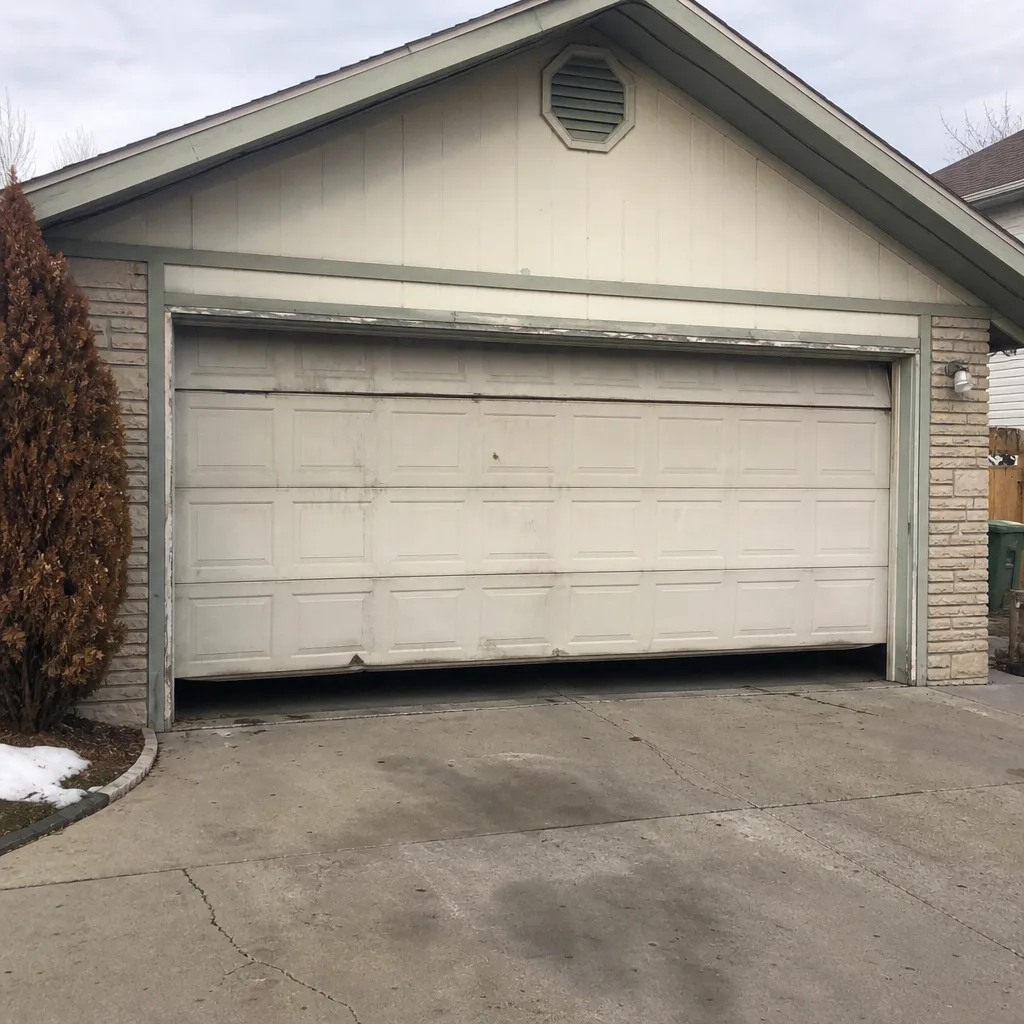 Before
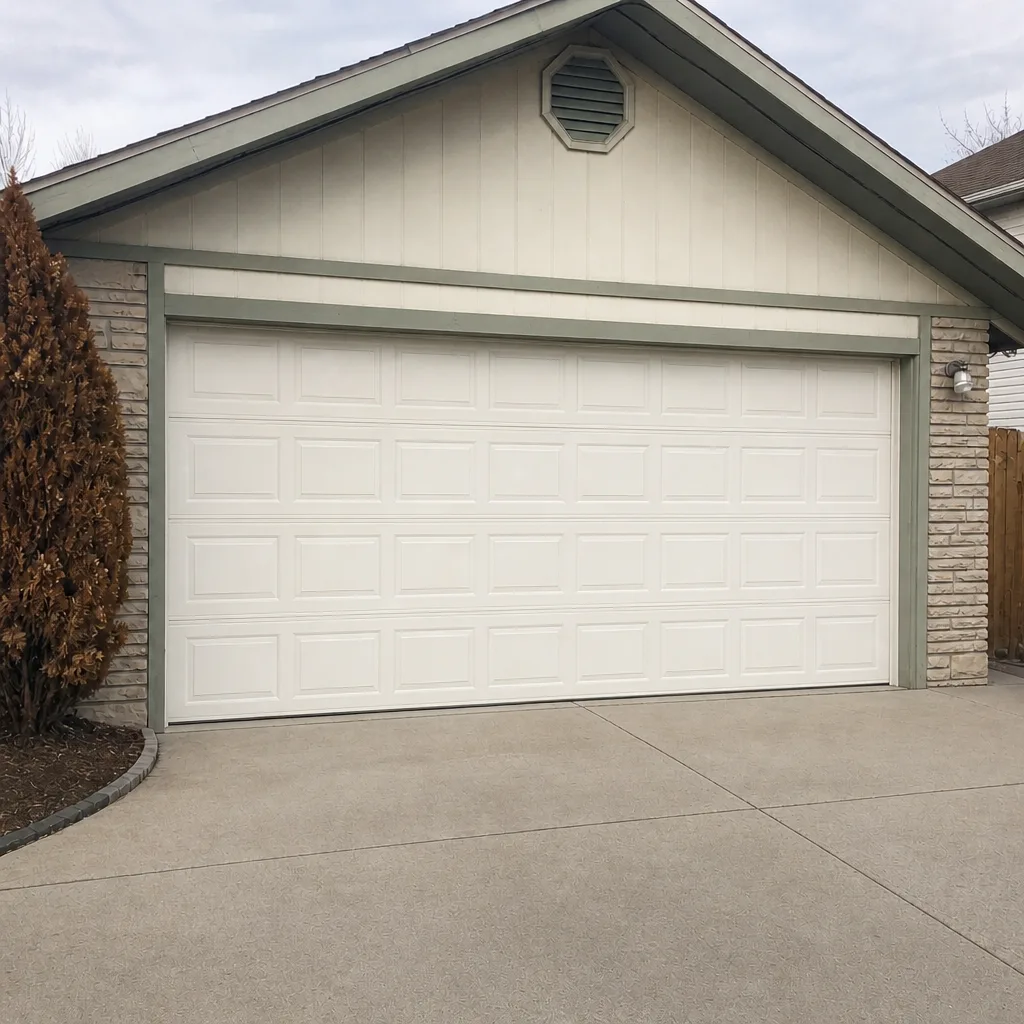 After
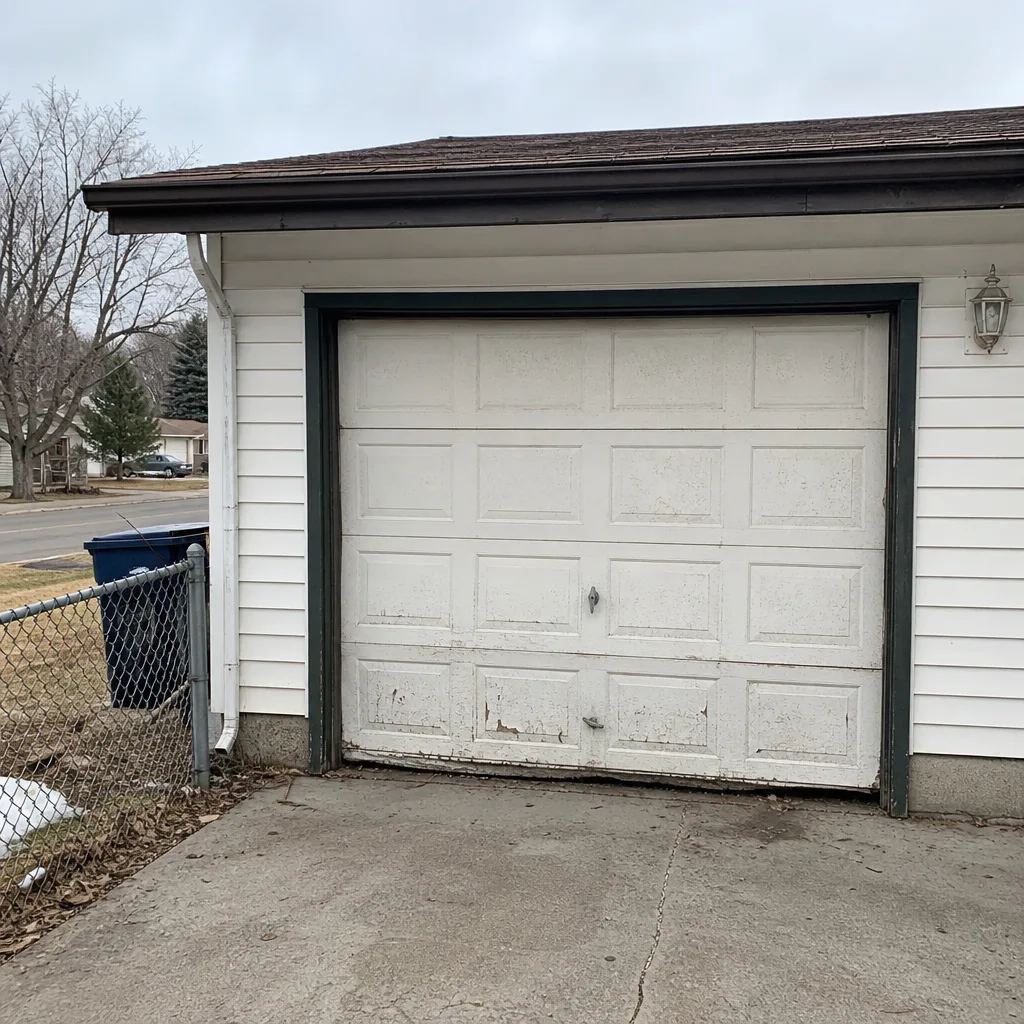 Before
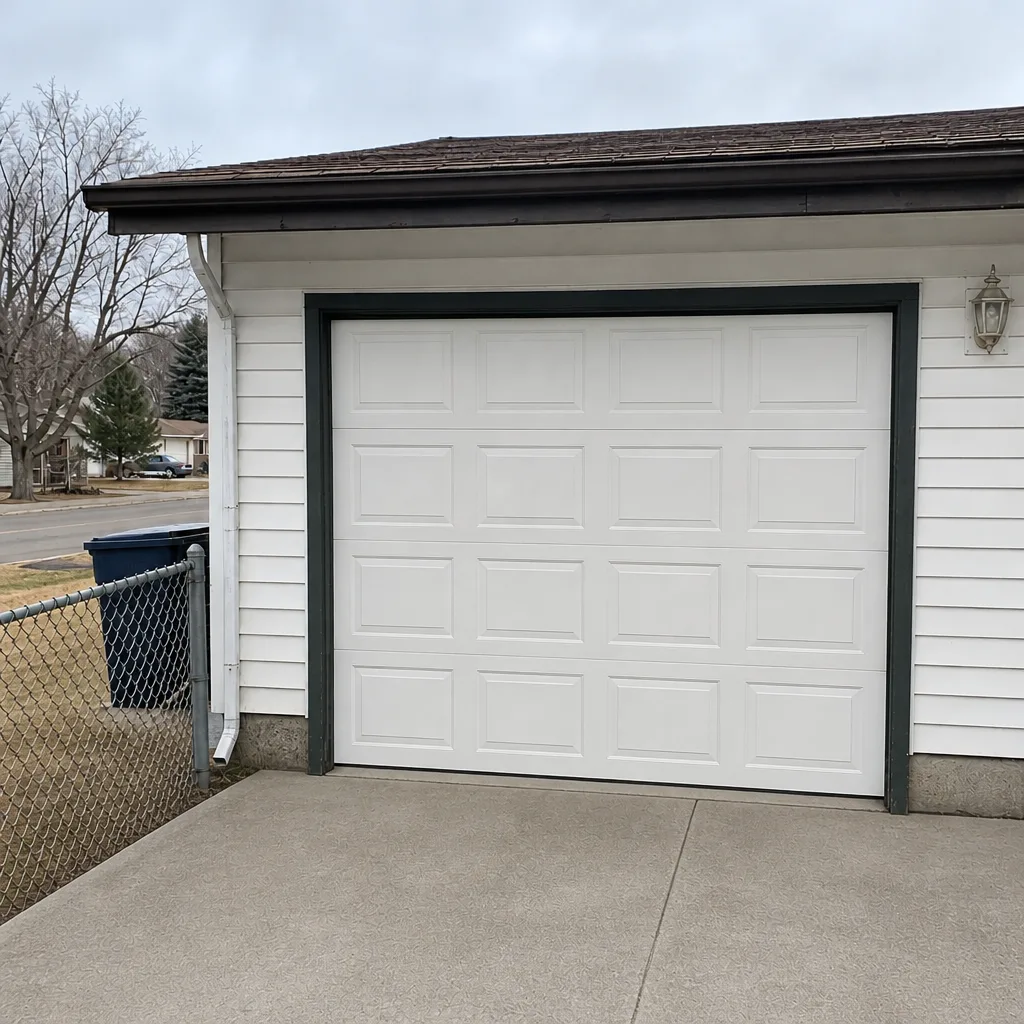 After
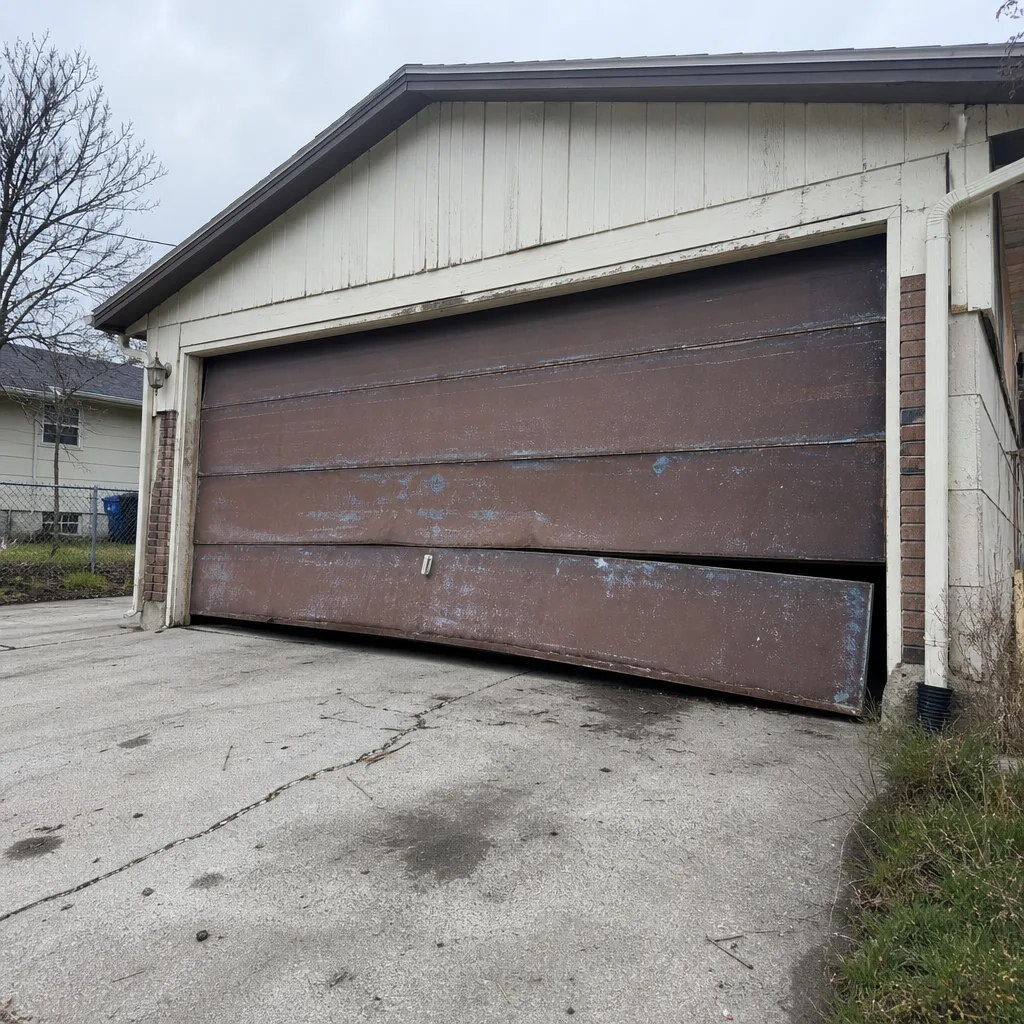 Before
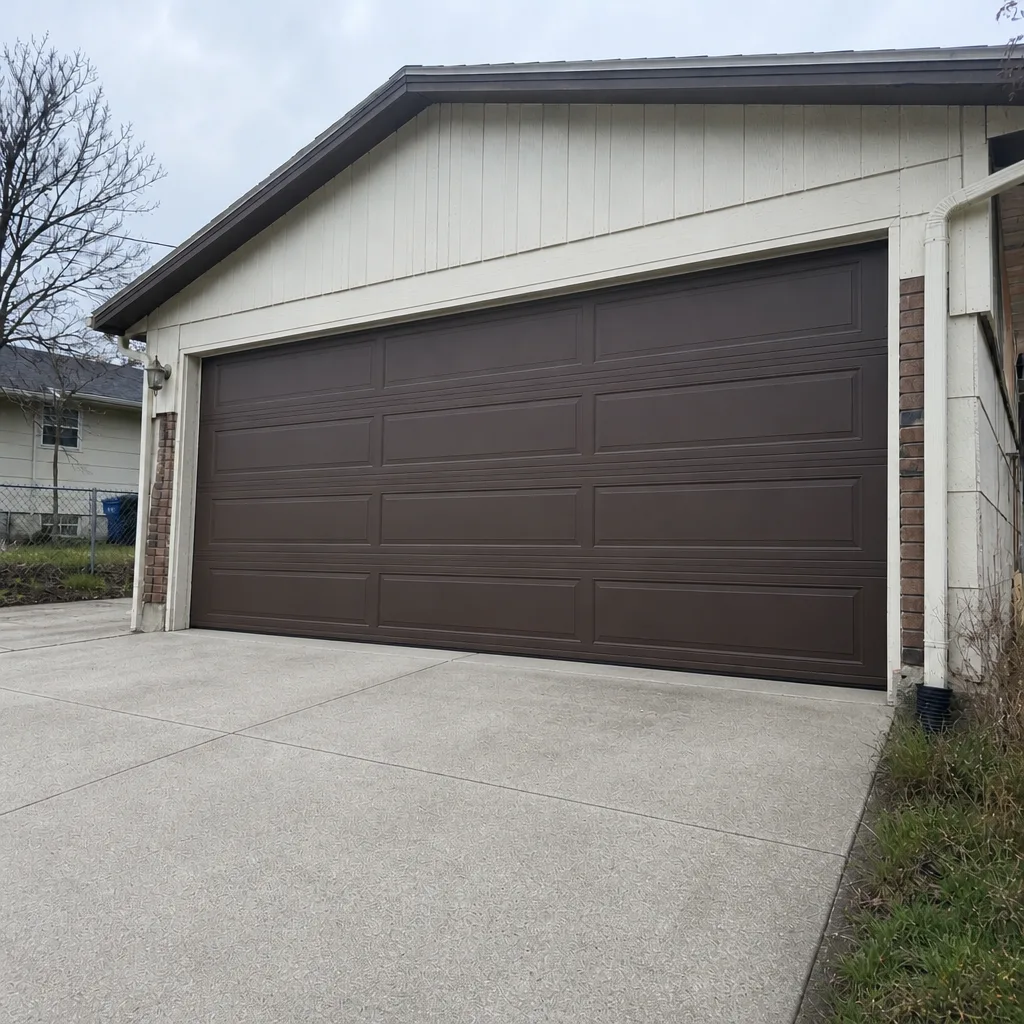 After
When to Call a Professional
Some failures are worth a call right away. A snapped torsion spring, a door that has come out of its track, a cable that has jumped, or anything involving the opener’s internal gearing should go to a trained technician. If your door is heavy to lift, sags on one side, or the opener trips its force limit on every cycle, that’s a structural call, not a DIY one. And if you’ve already replaced a sensor or roller and the symptom returns, the underlying cause hasn’t been found. Cypress Garage Door Service offers free estimates in Salt Lake City – call (866) 389-4585. We work across LiftMaster, Chamberlain, Genie and Raynor systems, and we diagnose the system you actually have. As a Salt Lake City garage door specialist, we keep our focus on this trade so nothing on your door is guesswork.
Frequently Asked Questions
It’s almost always a safety sensor issue – dirt on the lens, a bracket knocked out of alignment, or an object in the beam’s path. Clean both sensors, check that their indicator lights are steady, and test again. If it still reverses with clean, aligned sensors, suspect the opener’s wiring or logic board, and call (866) 389-4585 for a free estimate.
A broken torsion spring usually shows a visible gap in the coil, and the door becomes very heavy to lift. If you hear a sharp bang followed by a door that won’t open, that’s the classic sign. Don’t try to lift or repair it yourself – springs store dangerous energy. Call for a technician.
You can safely clean and align sensors, clear obstructions, and run the manual release balance test. You should not adjust springs, touch cables, or repair opener internals. Those carry real injury risk and are best left to a trained technician.
Salt Lake City’s cold mornings thicken lubricant on the rollers and hinges, so the door groans or scrapes on the first cycle of the day. If the noise fades as the day warms, it’s usually lubrication. If it persists year-round, it’s wear in the rollers, hinges or track.
The flash count points to a specific fault – usually a sensor issue, a force-limit trip, or a travel-limit problem. Note your model number and the count. LiftMaster and Chamberlain units share a similar diagnostic language, while Genie units use longer sequences. That detail speeds up the diagnosis.
Repair is usually the right choice when the failure is a component – a spring, sensor, roller or opener part. Replacement makes more sense when panels are bowed, the door has structural damage, or repairs keep piling up. The written estimate will tell you which is the better call.
The Bottom Line
Most garage door failures in Salt Lake City trace to springs, sensors, opener drives, running gear or track, and your door is already broadcasting which one. Watch the cycle, listen to the noise, decode the blink code, and run the safe checks first. Know the line between what you can safely do and what needs a ticket. Salt Lake City’s temperature swings make springs and sensors the most common seasonal culprits, so note whether a problem is thermal. The point of troubleshooting is to know what you’re dealing with before you call – that one step saves money and a wasted visit. When you’re ready, a specialist who works your brand can turn the symptom into the right fix.
Call Cypress Garage Door Service at (866) 389-4585 for a free estimate. We answer 24/7. Fast dispatch from 7am to 7pm, Sunday through Friday. One call covers opener repair, panel repair and Cypress Garage Door Service across the brands you already own.
Written by the team at Cypress Garage Door Service.