
Last updated November 15, 2026
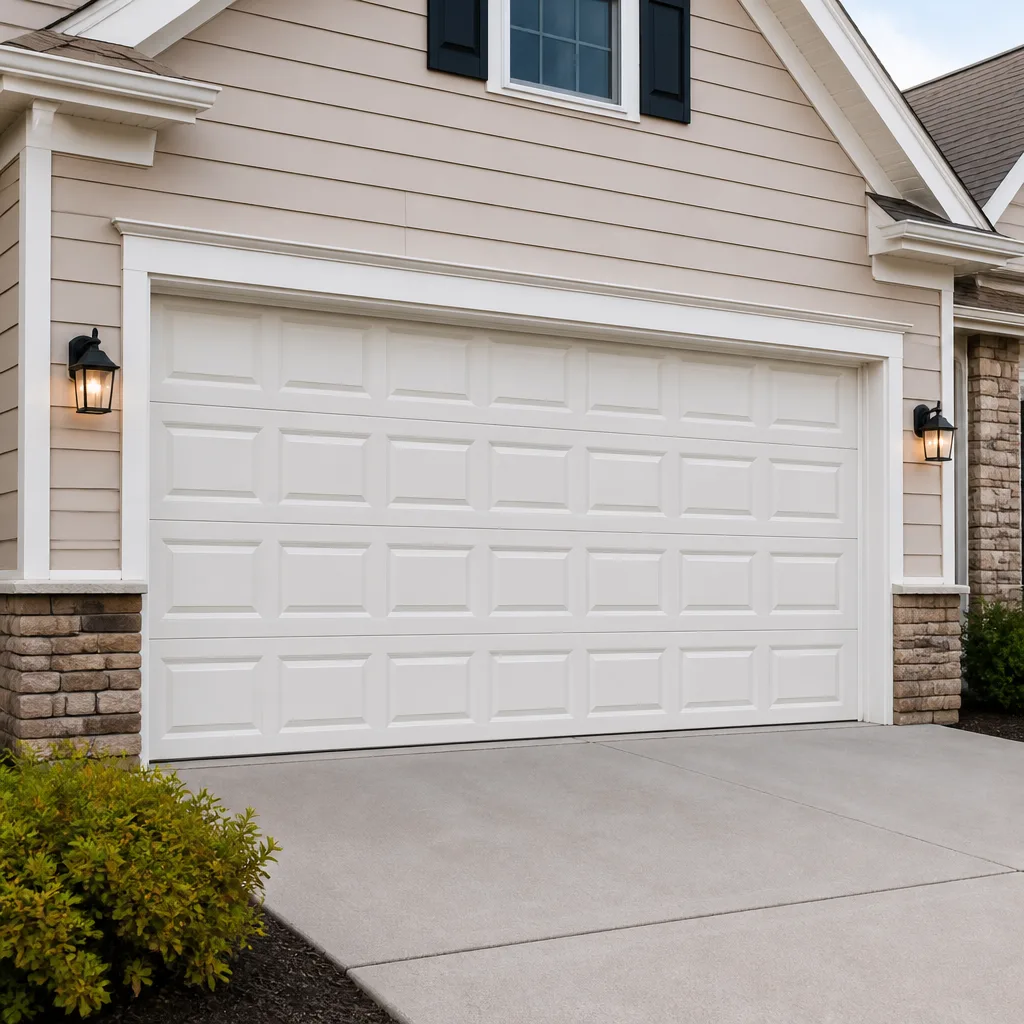 Raised-panel steel
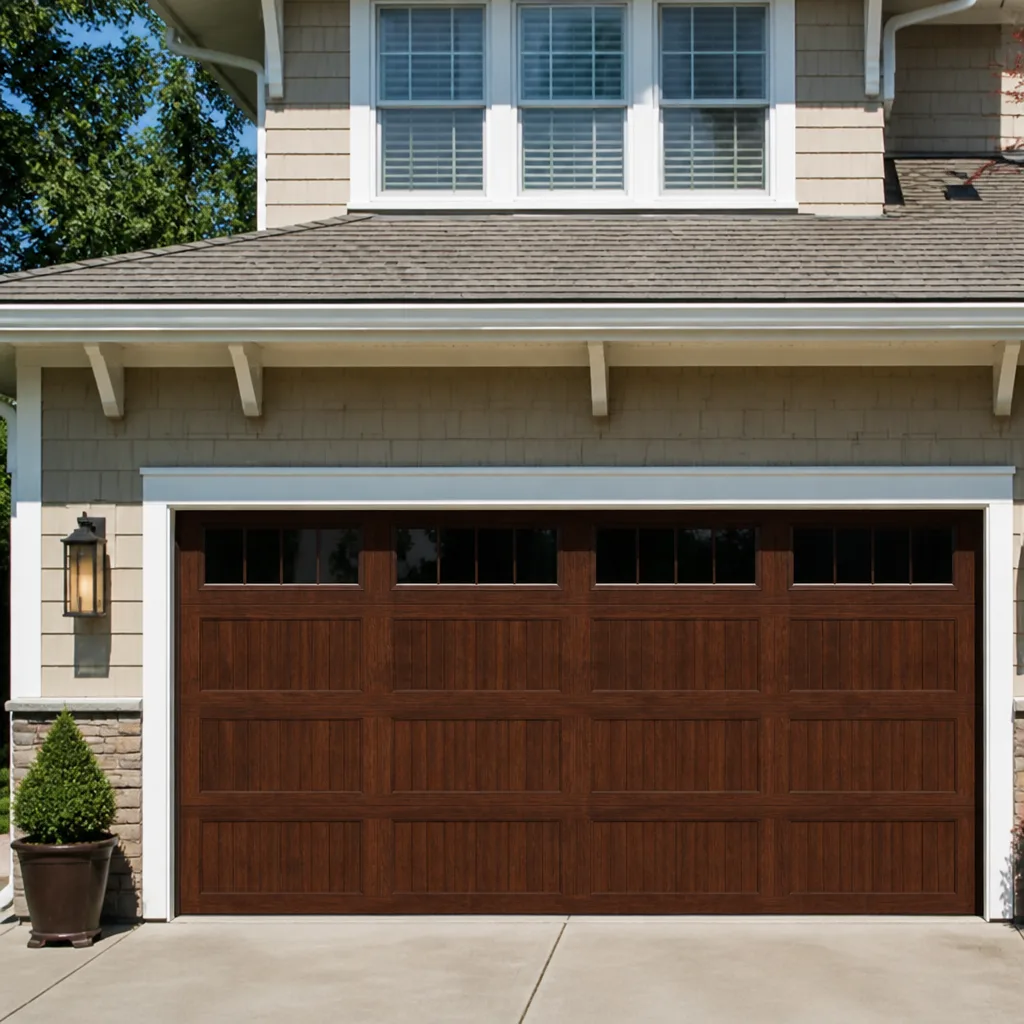
 Carriage house
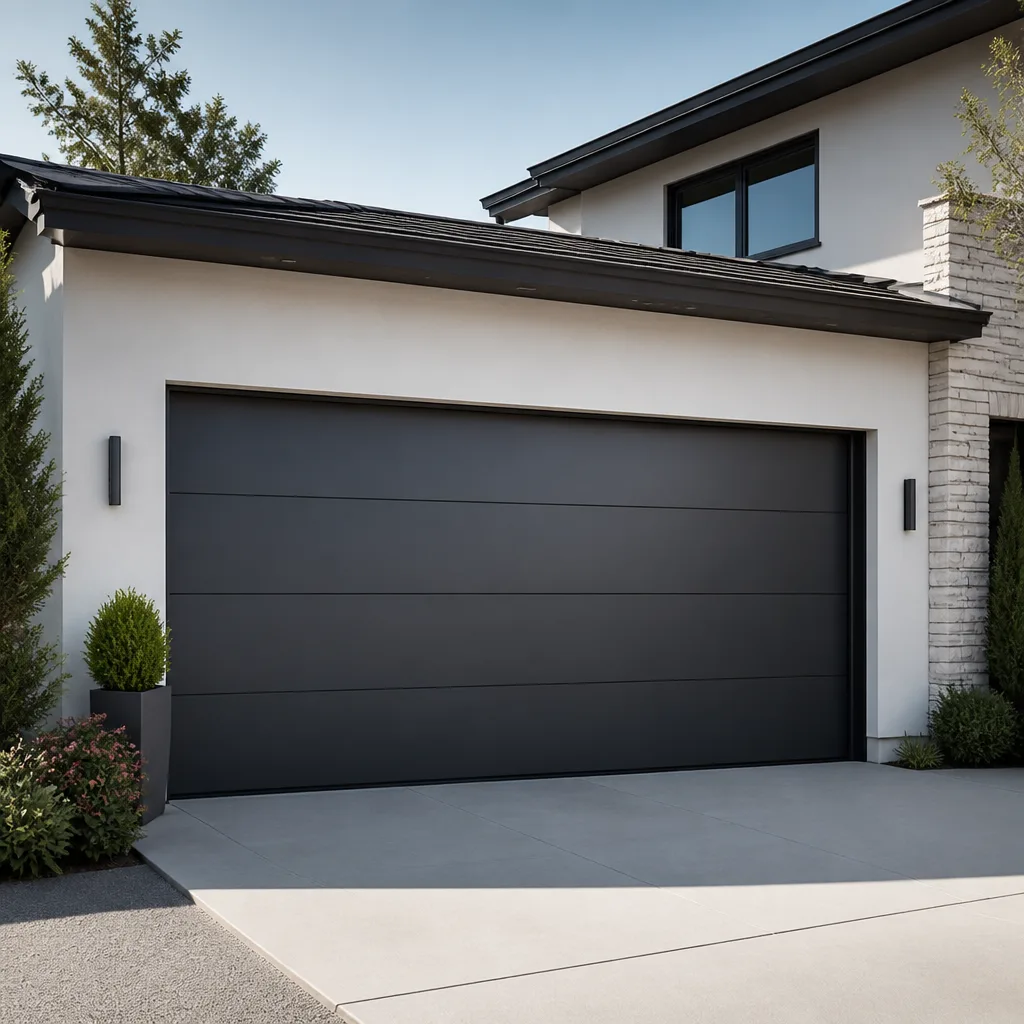 Modern flush
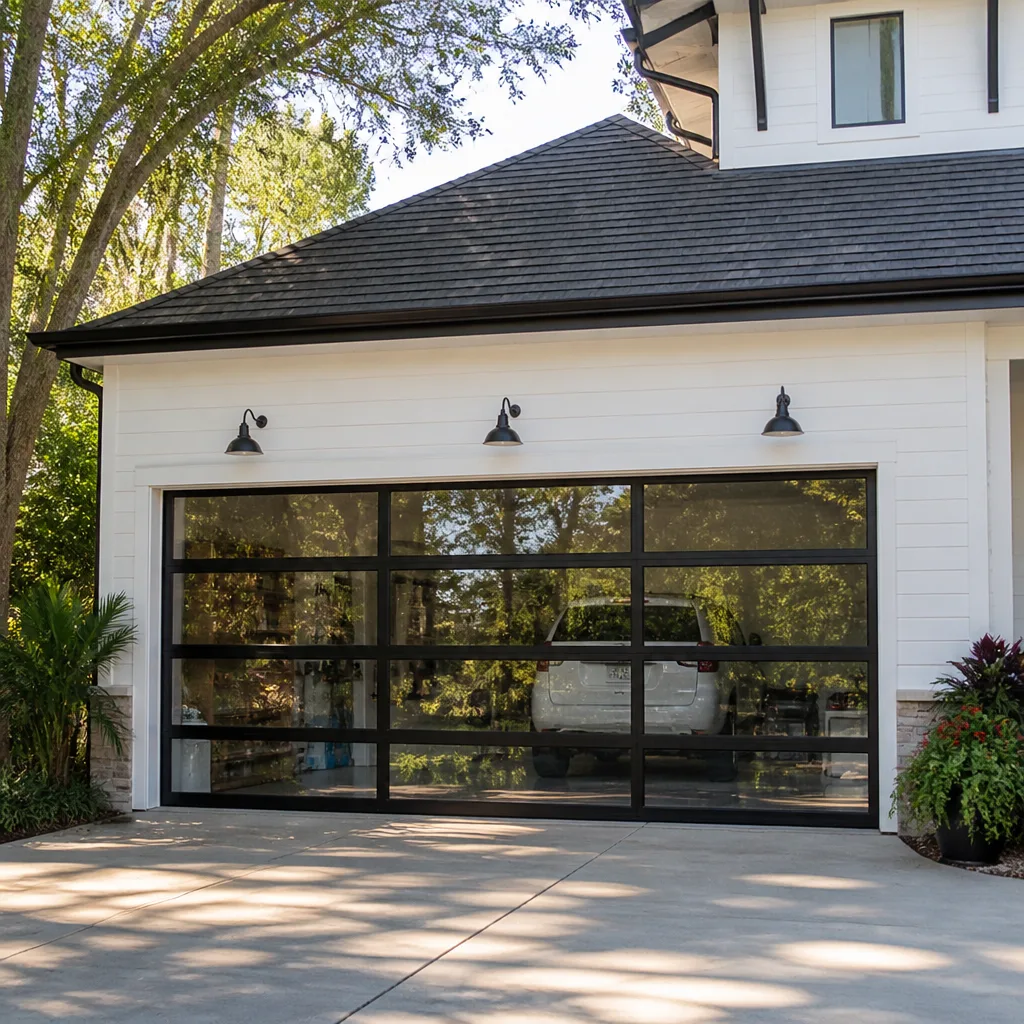 Full-view glass
 LiftMaster openers
 Chamberlain openers
Full 25-point door and opener safety check with every visit - springs, cables, rollers, tracks, and your LiftMaster or Chamberlain opener included
You get a price before we start. It does not change when the pro arrives.
Get your free estimateGarage Door Repair Maintenance Checklist for Salt Lake City Homeowners
Most homeowners assume a garage door fails all at once. In our experience across Salt Lake City, it doesn’t. It fails in a sequence that follows the valley’s weather almost to the week: a seal stiffens in the first October freeze, an opener strains through the cold-dense air of January, a hinge wears loose after a spring wind rips down the canyons, and by the time something breaks, three small fixes were missed along the way. This guide is a maintenance checklist built around that real failure calendar, not an arbitrary list of monthly chores. You’ll learn what to inspect at each of Salt Lake City’s four seasonal turning points, which tasks genuinely add years to your hardware, and which popular checklist items are filler.
Quick Answer
A garage door maintenance routine in Salt Lake City should be organized around four seasonal checkpoints – the first hard freeze in autumn, the inversion season of winter, the spring thaw and canyon windstorms, and the dry heat of summer – rather than a fixed monthly schedule. The highest-value tasks are lubricating springs and hinges, checking and replacing the bottom seal before cold sets in, testing the opener’s force sensitivity as temperatures drop, and tightening hardware that loosens under freeze-thaw cycling. Done consistently, these tasks catch the specific failures that Salt Lake City’s climate produces before they become repairs.
Styles & brands we work with
- Raised-panel steel
- Carriage house
- Modern flush
- Full-view glass
- LiftMaster openers
- Chamberlain openers
Table of Contents
- Why Salt Lake City’s Climate Wears Garage Doors Differently
- Checkpoint 1: The First Hard Freeze (October-November)
- Checkpoint 2: Inversion Season (December-February)
- Checkpoint 3: Thaw and Canyon Windstorms (March-May)
- Checkpoint 4: Dry Summer Heat (June-September)
- The Hardware Checks That Actually Extend Door Life
- Opener Tests That Matter More at Altitude
- When to Call a Professional
Why Salt Lake City’s Climate Wears Garage Doors Differently
A garage door in Salt Lake City lives through a wider temperature swing in a single year than the same door would in most of the country, and that swing is the whole story of how these systems fail here. The valley floor sits around 4,300 feet, and the air at that elevation is thinner and holds less moisture. Summer days push past 95 degrees; winter nights drop into the teens and single digits. Springs, hinges, rollers, and weather seals expand and contract through that range again and again, and every cycle works a fastener or a seal a little looser.
Then there’s the inversion. In winter, cold air settles into the valley under a warmer layer and traps vehicle exhaust, moisture, and road grime near the ground for days or weeks at a stretch. That trapped layer sits right against your garage door. Seals that are already stiff get no respite, and the humidity inside a closed garage during an inversion is higher than most homeowners expect.
Finally, the geography. Homes along the east bench, in the Avenues, and up toward the mouth of the canyons take wind that funnels down slope and across exposed faces. A door that tracks perfectly on a calm day can rattle and shift in a canyon windstorm, and the hardware that holds it in place takes the load. Our technicians have up to experience working on Salt Lake City doors, and the pattern we see is consistent: the failures that surprise homeowners are almost always the ones the seasonal calendar predicted.
Checkpoint 1: The First Hard Freeze (October-November)
This is the most important checkpoint of the year, and most homeowners skip it entirely. The first hard freeze of autumn is when a bottom seal that spent the summer soft and pliable turns hard and brittle. Once it cracks, it stops sealing the gap at the floor, and that gap matters more than people realize.
An attached garage shares walls and often a ceiling with the living space. Exhaust from a warm car, and the carbon monoxide in it, can drift through a failed bottom seal and into the house. This is the single most overlooked safety issue we encounter. A bottom seal is inexpensive to replace, and replacing it before the cold sets in is one of the simplest things a homeowner can do. If your seal is stiff, cracked, or no longer contacts the floor evenly, replace it now – and it’s fine to have a technician do it while they’re checking everything else.
Here’s the autumn task list:
- Inspect the bottom seal. Close the door and look along the floor line from inside. Light gaps mean a failed seal. Run a hand along the rubber: if it feels hard or shows cracks, replace it before the first sustained freeze.
- Check the weatherstripping on the sides and top. This is the barrier between your garage and the outside air, and during inversion season it’s also the barrier between your garage and your house. Torn or flattened stripping should be replaced.
- Lubricate the springs and hinges. Use a garage-door-specific lubricant, not WD-40 or general household oil. Coat the torsion or extension springs, hinges, and rollers lightly. Do this before cold weather, because a dry hinge in freezing temperatures wears faster.
- Tighten the track and hinge bolts. Grab a socket set and check every bolt on the hinges and the track brackets. Freeze-thaw cycling loosens these through the year. A quarter turn on a loose bolt is cheap insurance.
- Test the opener’s balance by hand. Disconnect the opener (with the door closed, pull the release handle) and lift the door halfway. It should stay put. If it drifts down or needs real effort to hold, the springs are losing tension and should be inspected.
If anything on this list feels beyond a visual check, that’s the moment to call. A technician can knock out the whole autumn checklist in a single visit and catch what you can’t see from the floor.
Checkpoint 2: Inversion Season (December-February)
Once the valley goes into inversion, the air inside a closed garage gets heavier with moisture and exhaust, and the door works harder because the air is denser and colder. Two things need attention through the winter.
The first is the opener’s force sensitivity. Modern openers from LiftMaster, Chamberlain, and Genie include a safety reverse feature that stops and reverses the door if it hits something. Cold, dense air changes the load the motor sees, and a door that performed perfectly in October may now need slightly more force to close. If the opener is straining, reversing on its own, or the door is stalling partway down, the force setting needs adjusting – and that setting is also a safety mechanism you don’t want to override by guessing. This is a task to have checked, not one to fiddle with blind.
The second is the garage’s ventilation. During an inversion, air doesn’t clear. If you park a car inside, let the garage air out after you pull in, and make sure your bottom seal and weatherstripping are intact so exhaust has somewhere to go besides into the house. This is the practical reason the autumn seal check matters so much: it’s the winter inversion that turns a small crack into a real problem.
Also watch the door through this period for the small signs of a spring losing tension: a door that’s slow to open, a bang or pop when it closes, or a gap appearing at the top. A weakening torsion spring is one of the few parts on a garage door that genuinely warrants professional attention – more on that below.
Checkpoint 3: Thaw and Canyon Windstorms (March-May)
Spring in Salt Lake City does two things to a garage door. The thaw pushes the freeze-thaw cycle the other way, loosening hardware that tightened in winter. And the wind comes down the canyons. If your house sits on an exposed face in the Avenues or along the east bench, a windstorm can stress the track alignment and the brackets that hold the door in place.
After the first big wind event of the season, do this:
- Walk the tracks. Look down the length of each track from the floor. It should be straight and parallel. A bend or a track that’s pulled off its bracket makes the door bind and wear rollers unevenly.
- Check the door for balance again. Reconnect the opener and run the door. It should move smoothly with no wobble. If a panel has been pushed or the door sounds different, have the alignment checked.
- Look at the panels. A Clopay or Amarr steel door can take a hard knock and dent without failing structurally, but a bent section can throw the door out of alignment. Inspect panel seams and the frame.
- Re-lubricate rollers and hinges. The cold season dries them out. A second light application in spring is worth it.
- Clear the tracks. Thaw-season grit and grit blown in on the wind can collect in the track channel. Wipe the tracks clean and check the rollers for flat spots.
Spring is also the right time to inspect the weatherstripping again. If it survived winter but pulled loose in the thaw, replace or re-seat it before summer heat bakes it into place.
Checkpoint 4: Dry Summer Heat (June-September)
The dry summer months in Salt Lake City are the gentlest on hardware but the hardest on seals and lubrication. Low humidity and direct sun on a west- or south-facing door will dry out rubber and plastic parts faster than almost anywhere else. This is the season to protect what’s left of your seals and to prepare for the next freeze.
The summer list:
- Lubricate, don’t over-lubricate. A light application of a garage-door lubricant on springs, hinges, and rollers keeps moving parts free without attracting dust, which is plentiful in a dry climate. Over-lubricating is a common mistake – excess oil collects grit and grinds the rollers.
- Check the bottom seal again. If it dried out over the summer, replace it now, before October. Doing it in summer means you go into freeze season with a fresh seal.
- Look for rust at fasteners. While Salt Lake City isn’t a coastal climate, sprinkler overspray and winter road salt tracked into the garage can start corrosion at bolt heads and hinges. Clean and treat any rust spots.
- Test the safety reverse. Lay a roll of paper towels on the floor and close the door. It should reverse on contact. If it doesn’t, the opener’s safety system needs attention – this one should not wait.
- Check the opener’s light and battery backup. If your opener has a backup battery (some LiftMaster and Chamberlain units do), check its indicator. A dead backup battery is easy to overlook.
The Hardware Checks That Actually Extend Door Life
Not every item on a generic checklist is worth doing. Some tasks add years to a door; others are filler that makes a checklist look thorough. Here’s the honest split.
Worth doing, every checkpoint:
- Lubricating the springs and hinges. This is the highest-value task on any garage door. A lubricated torsion or extension spring wears less and lasts longer, and hinges are the most common wear point on the whole system. Springs under Salt Lake City’s freeze-thaw stress cycle take more movement through the year than hardware in a stable climate, so lubrication intervals should be short – at least at each of the four seasonal checkpoints, and more often if your door is in daily heavy use.
- Tightening hinge and track bolts. Loose hardware from freeze-thaw cycling is a leading cause of track misalignment and premature roller wear. A few minutes with a socket set prevents a repair.
- Replacing seals before each freeze. A hard, cracked bottom seal is a safety problem, as covered above, and it also lets moisture into the door’s bottom edge.
- Keeping the tracks clean. Clean tracks mean even roller wear.
Filler, or at least lower value:
- Painting the inside of the garage door. Cosmetic, and not a maintenance task. It doesn’t extend hardware life.
- Adjusting the opener’s force setting blindly. More on this below – it’s a safety setting, not a maintenance knob.
- Replacing rollers on a fixed schedule. Replace them when they show wear (flat spots, noise), not because a calendar says so.
The hardware checks that matter most are the ones that keep the force of a moving heavy door off your fasteners and springs. That’s lubrication and tightness, done consistently. If you’d rather have a specialist run the full inspection, our garage door repair team can check every item on this list and tell you honestly what needs attention and what doesn’t.
Opener Tests That Matter More at Altitude
An opener in Salt Lake City works in thinner, drier air, and the practical effect is that the motor’s load changes noticeably between a mild October afternoon and a January morning. A garage door opener is built to handle that swing within its force settings, but those settings need to be right. This is why the force-sensitivity test matters more here than most generic guides admit.
The test itself is simple and safe to do:
- Disconnect and balance the door by hand. With the door closed, pull the opener’s release handle and lift the door halfway. A properly balanced door holds position. If it drops or needs effort, the springs are the issue – not the opener.
- Reconnect and run a close cycle. Watch the door. It should close smoothly, at a steady pace, without stalling or reversing unexpectedly.
- Test the reverse on contact. With the door open, place a roll of paper towels or a 2×4 flat on the floor across the door’s path, then close the door. It should reverse on contact. If it doesn’t, stop using the opener and have the safety reverse system checked.
We service every major opener platform – from legacy Craftsman units to current myQ-compatible LiftMaster and Chamberlain openers, plus Genie screw and chain drives. Because we know those brands, we can order the exact part instead of a workaround, and we can tell you whether a force-setting change, a part replacement, or a new opener is the right fix. If your opener is straining or reversing on its own, our garage door opener repair team is the place to start.
One caution: the force-sensitivity setting is a safety mechanism. Adjusting it to make a door move when it shouldn’t is unsafe. If the door is binding, the binding is the problem – not the setting. Leave force adjustment to a trained technician.
Common Mistakes to Avoid
- Skipping the autumn seal check. Homeowners wait until something breaks. In Salt Lake City the first freeze is the time to replace a dried seal, before it cracks and lets carbon monoxide into the house during inversion season.
- Using the wrong lubricant. WD-40 and general household oil aren’t garage-door lubricants. They attract grit in a dusty climate and can wear rollers and hinges faster. Use a garage-door-specific product.
- Over-lubricating. A little on the springs and hinges goes a long way. Excess oil collects salt and grit and grinds the moving parts.
- Adjusting the opener’s force setting to force a binding door to move. If the door binds, the binding is the problem. Overriding the safety mechanism is how small tracking issues become dangerous ones.
- Ignoring the bottom seal through winter. Once inversion season arrives, a failed seal is a safety issue, not just a draft. Replace it before the cold, not after.
- Assuming a wind-damaged door is fine because it still opens. A bent track or a pushed panel from a canyon windstorm can work for a while and then fail at the worst time. Have alignment checked after a major wind event.
- Trying to fix a broken torsion spring yourself. Torsion springs store enormous energy. This is the one task on the list you should never do yourself – call a technician.
When to Call a Professional
Some tasks on this checklist are safe and worthwhile for any homeowner: inspecting seals, lubricating hinges, tightening bolts, testing the safety reverse. Others genuinely need a specialist. Call a professional when a torsion or extension spring is broken, weak, or making noise; when the door is out of balance; when the opener reverses on its own or won’t complete a cycle; when a track is bent or the door wobbles; or when the force-sensitivity setting needs adjusting. Springs and cables hold energy that can cause serious injury, and opener safety systems need a trained eye. Cypress Garage Door Service offers free estimates in Salt Lake City – call (866) 389-4585. We answer 24/7, with fast dispatch from 7am to 7pm, Sunday through Friday. And whichever brand you own – Chamberlain, Genie, Clopay, Amarr, or any of the eight brands we work on – we diagnose the actual system in front of us and recommend the right fix.
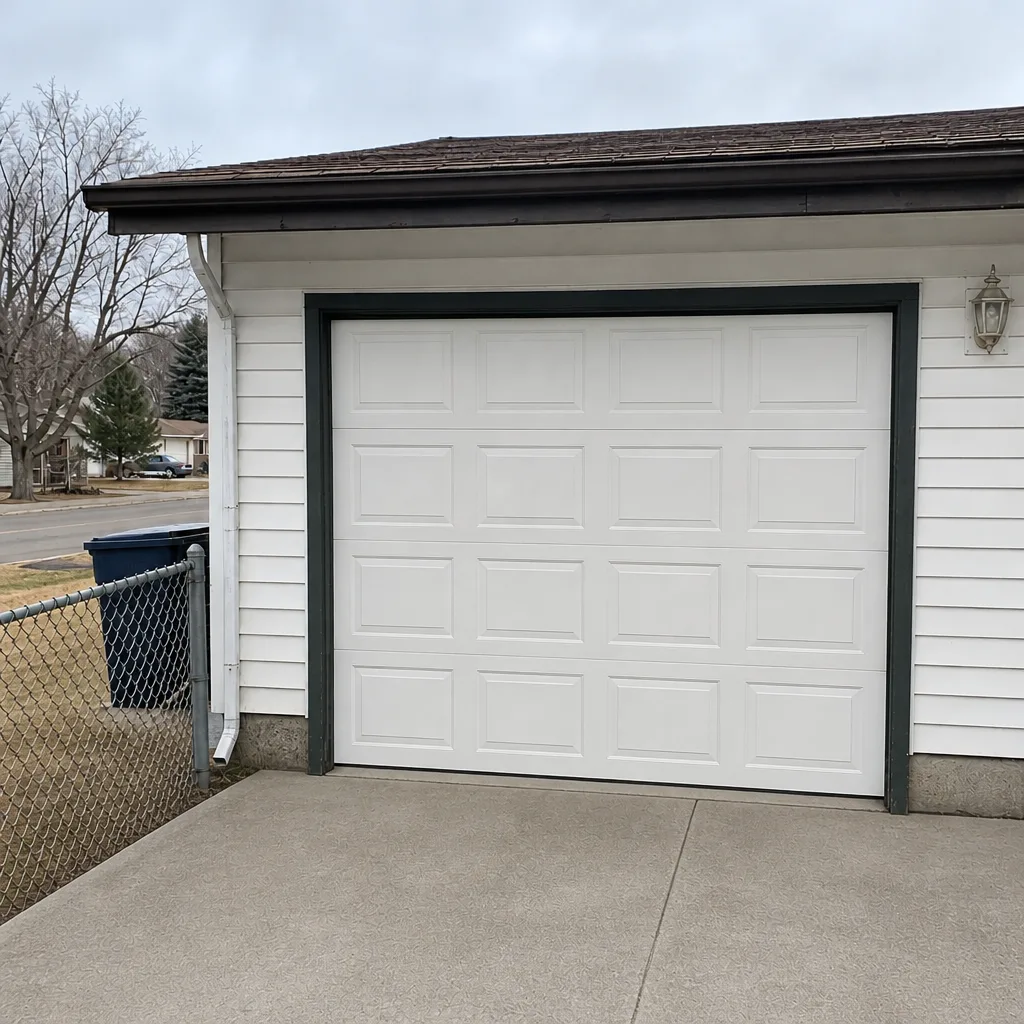
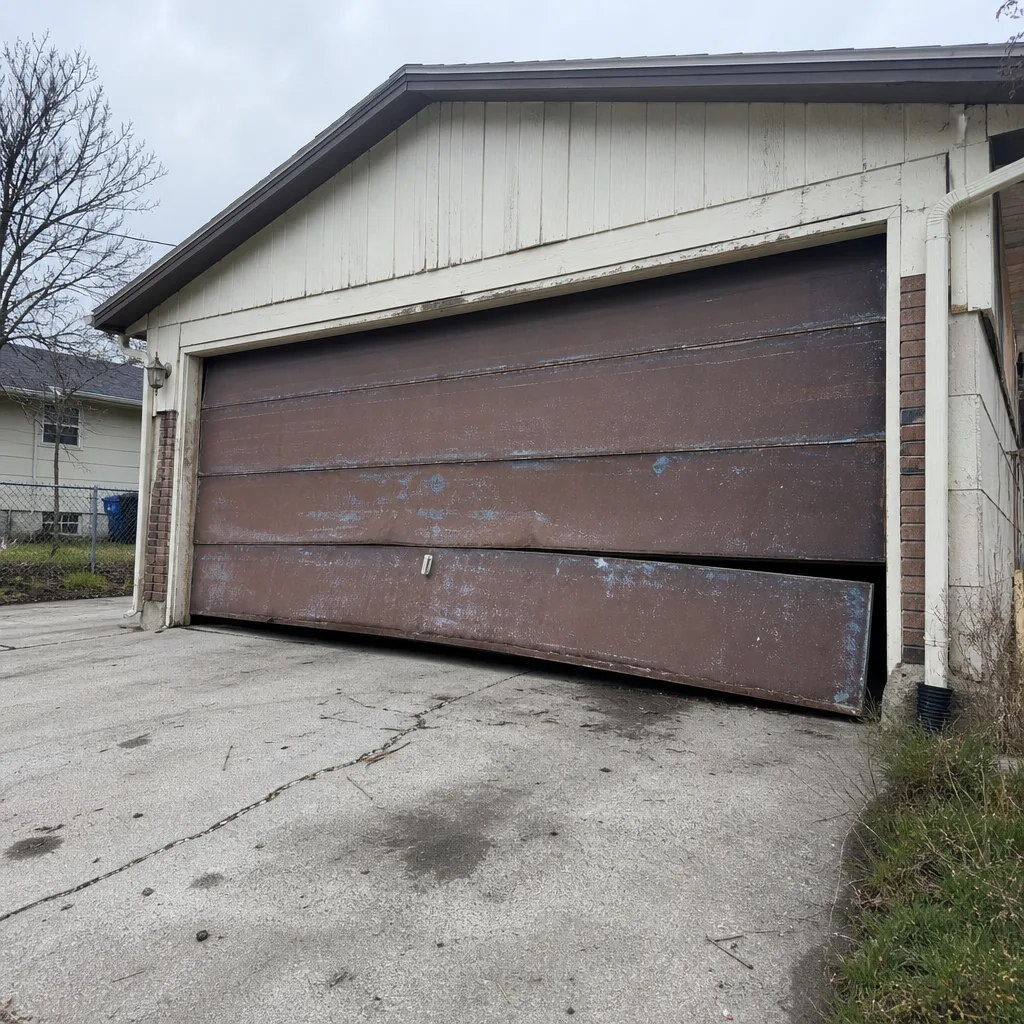
See the difference
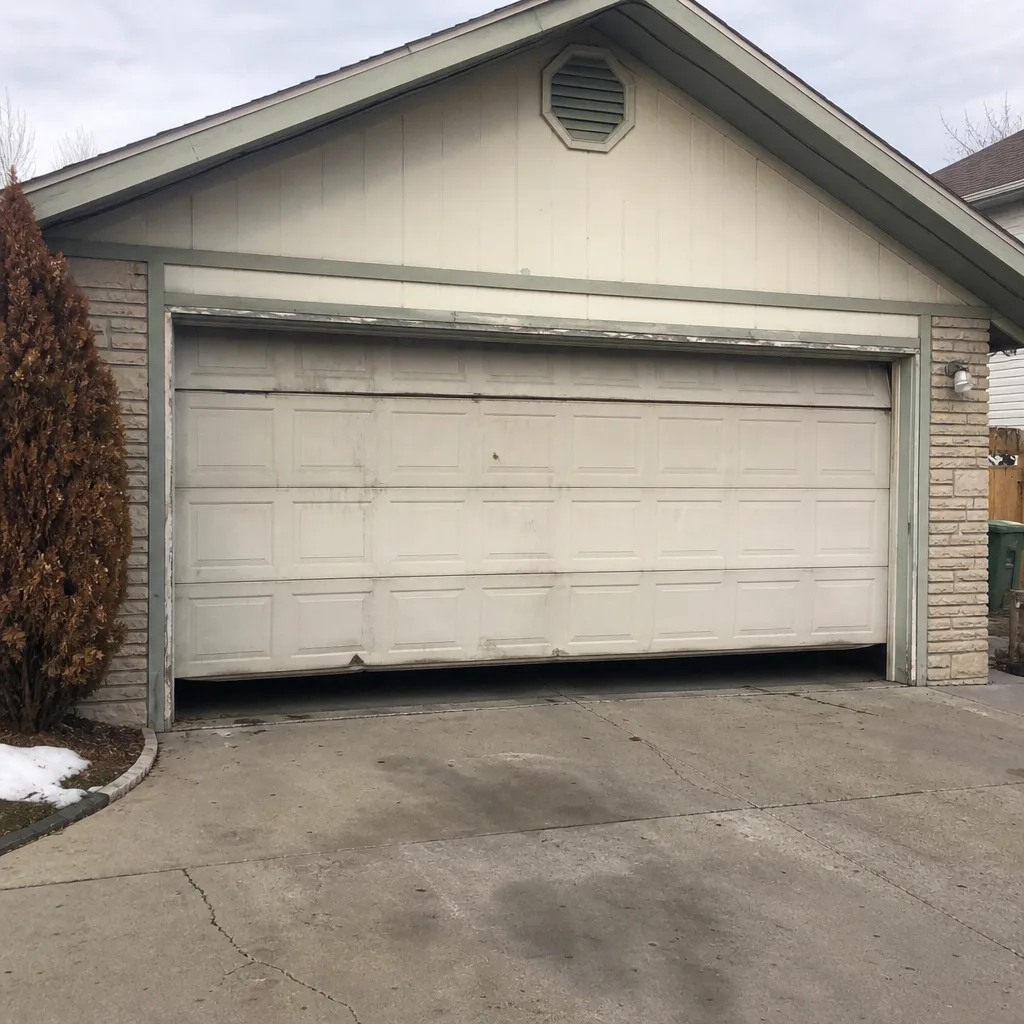 Before
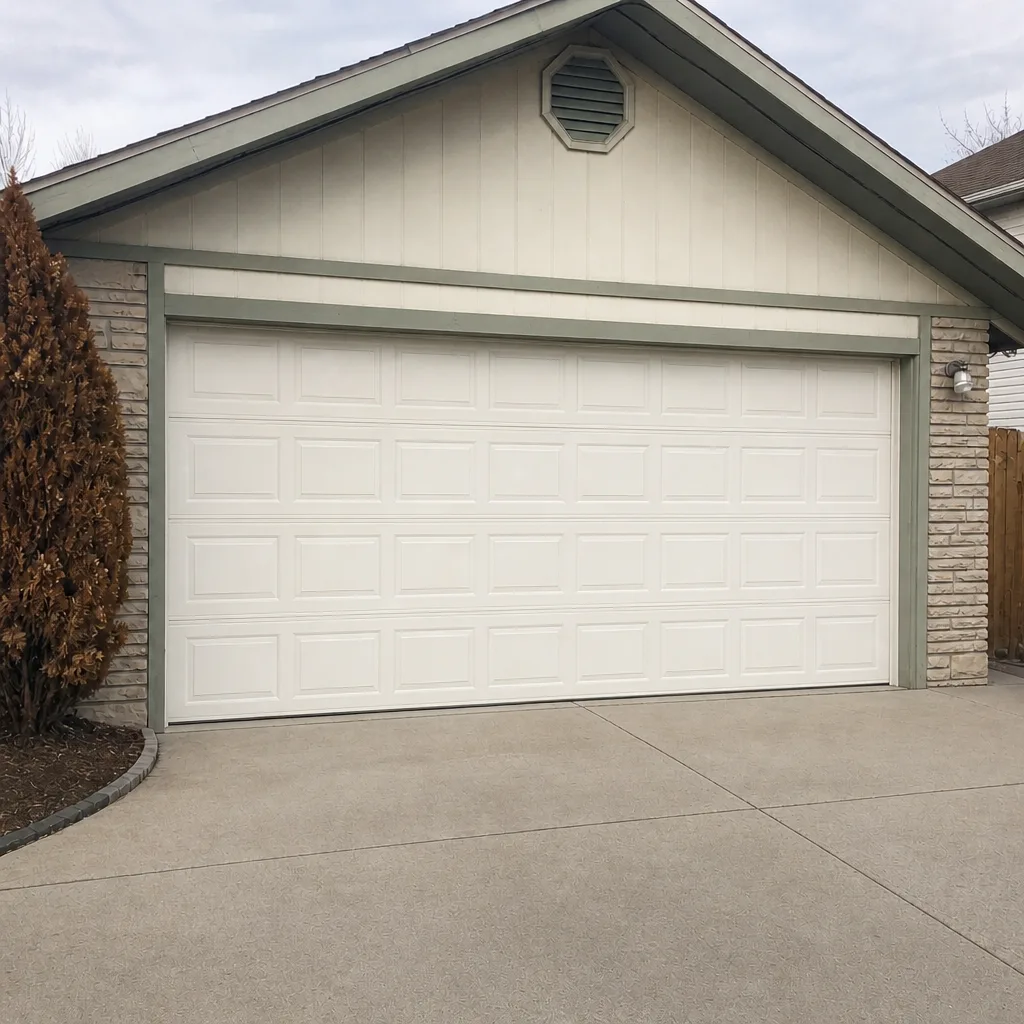 After
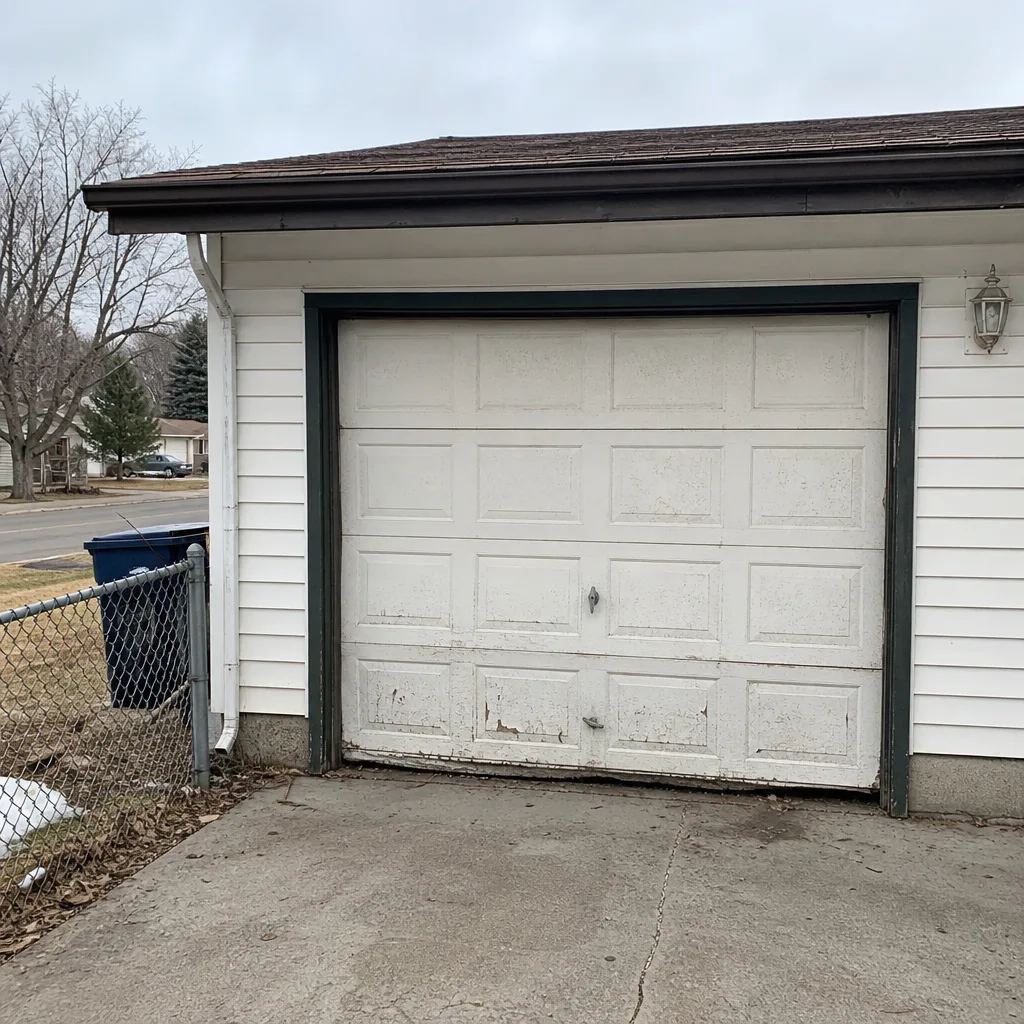 Before
 After
 Before
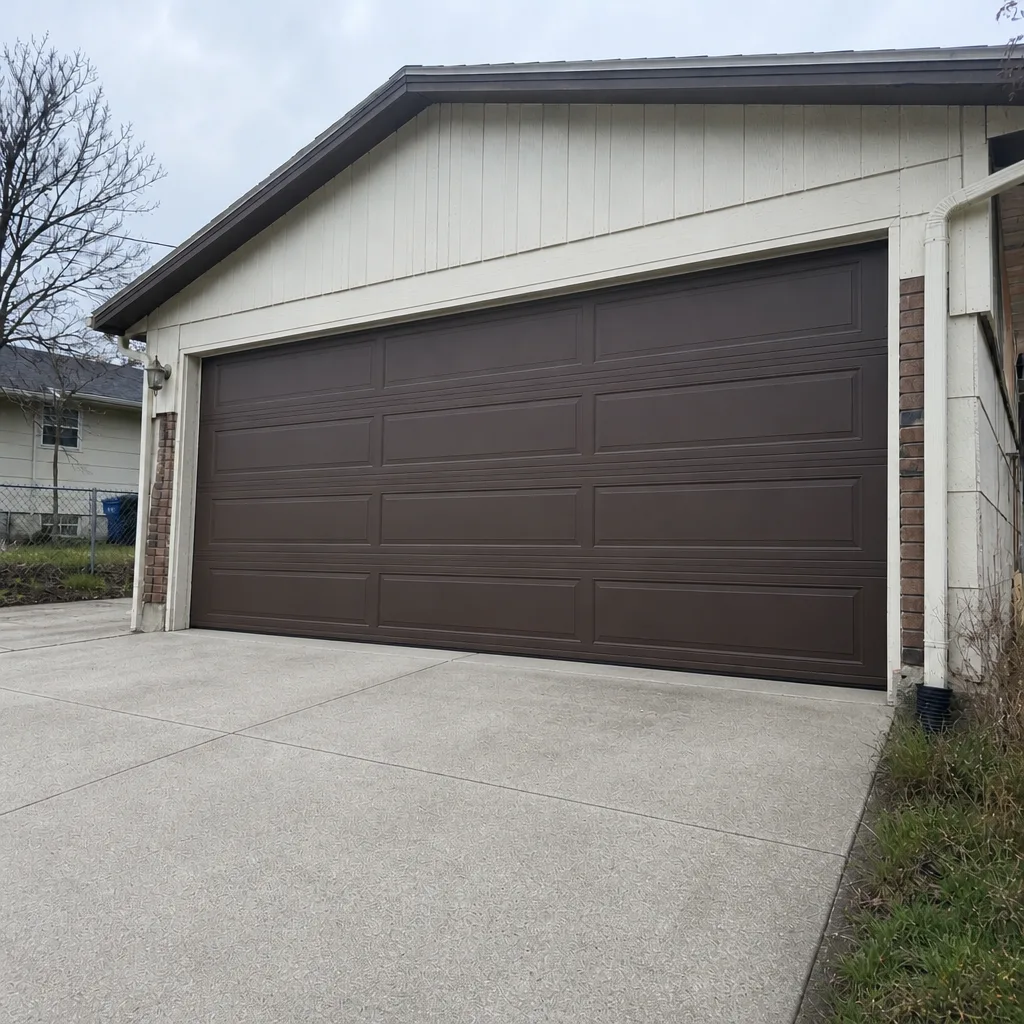 After
Frequently Asked Questions
Maintain it at four seasonal checkpoints rather than on a fixed monthly schedule: at the first hard freeze in autumn, through inversion season in winter, after the spring thaw and windstorms, and during the dry summer. Salt Lake City’s wide temperature swing and freeze-thaw cycling mean lubrication and bolt checks should happen at each of those points. If your door gets heavy daily use, lubricate and check hardware more often.
Cold, dense air changes the load the opener’s motor sees, so a door that ran smoothly in October may strain or reverse in January. The freeze-thaw cycle also loosens hardware and stiffens seals. If your door is struggling in cold weather, have the balance and the opener’s force setting checked before you use it again. Call (866) 389-4585 for an exact quote – estimates are free.
Replacing a bottom seal is a safe task for most homeowners, and it’s worth doing before the first freeze to keep carbon monoxide from an attached garage out of your living space. If the seal is torn, cracked, or no longer contacts the floor evenly, replace it. If you’re not sure, have a technician check it while they’re servicing the door.
We don’t quote prices without seeing the door, but we set the price up front with a free written estimate before any work begins. Matching pairs are usually replaced together, so a pair costs more than a single spring. Call (866) 389-4585 for an exact quote – estimates are free and agreed before work starts.
Yes – we work on eight major brands, including LiftMaster, Chamberlain, Genie, Clopay, Amarr, Wayne Dalton, Craftsman, and Raynor. That covers everything from legacy Craftsman units to current myQ-compatible LiftMaster and Chamberlain openers, plus chain, belt, screw, and direct-drive systems. Because we know the brand, we can order the exact part instead of a workaround.
If the door opens and closes smoothly, keeps its position when you lift it by hand, and reverses on contact, you’re due for maintenance, not repair. If you hear bangs or pops, see a gap at the top, notice wobble, or the opener reverses on its own, it’s a repair. Call (866) 389-4585. We answer 24/7, with fast dispatch from 7am to 7pm, Sunday through Friday.
The Bottom Line
A garage door in Salt Lake City fails on the valley’s calendar, not a generic one. The highest-value maintenance tasks are identifying a failing bottom seal before the first hard freeze, lubricating springs and hinges at each seasonal checkpoint, tightening the hardware that freeze-thaw cycling loosens, and testing your opener’s safety reverse. The rest is largely filler. If a spring, track, or opener problem turns up, that’s a job for a specialist – springs hold dangerous energy, and opener safety settings shouldn’t be guessed at. For a free estimate from a team that works on your brand, see Cypress Garage Door Service or call (866) 389-4585.
Our Salt Lake City team can run the full seasonal checklist on your door and tell you what genuinely needs attention. Call (866) 389-4585. We answer 24/7. Fast dispatch from 7am to 7pm, Sunday through Friday.
Written by the team at Cypress Garage Door Service.