
Last updated November 15, 2026
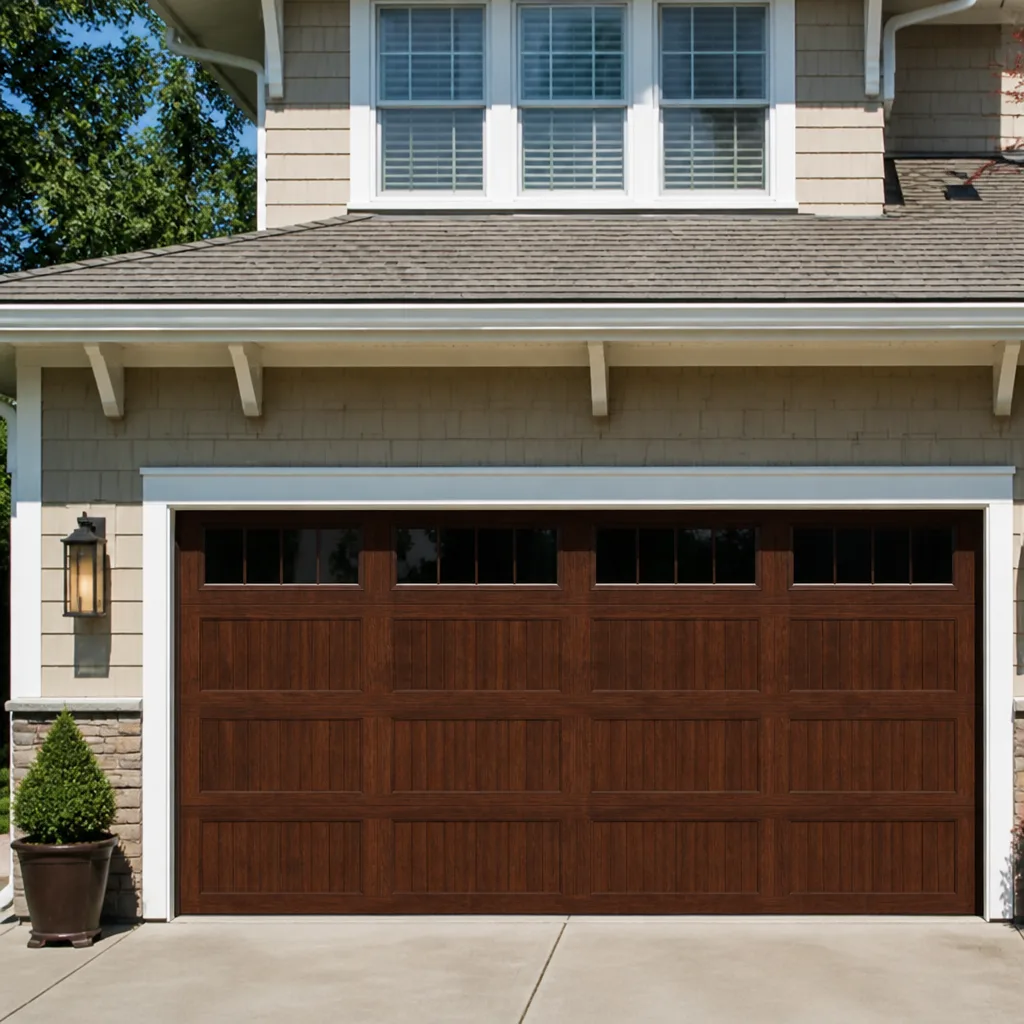
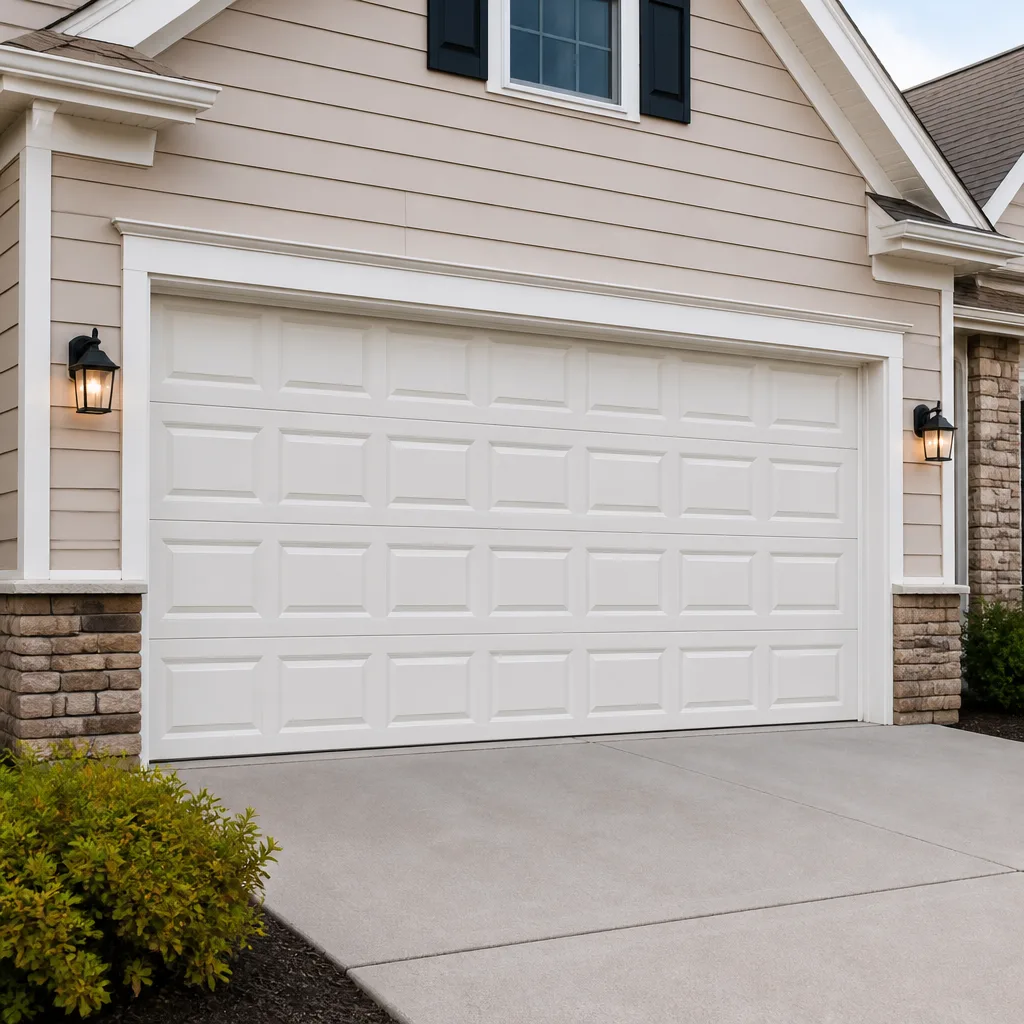 Raised-panel steel
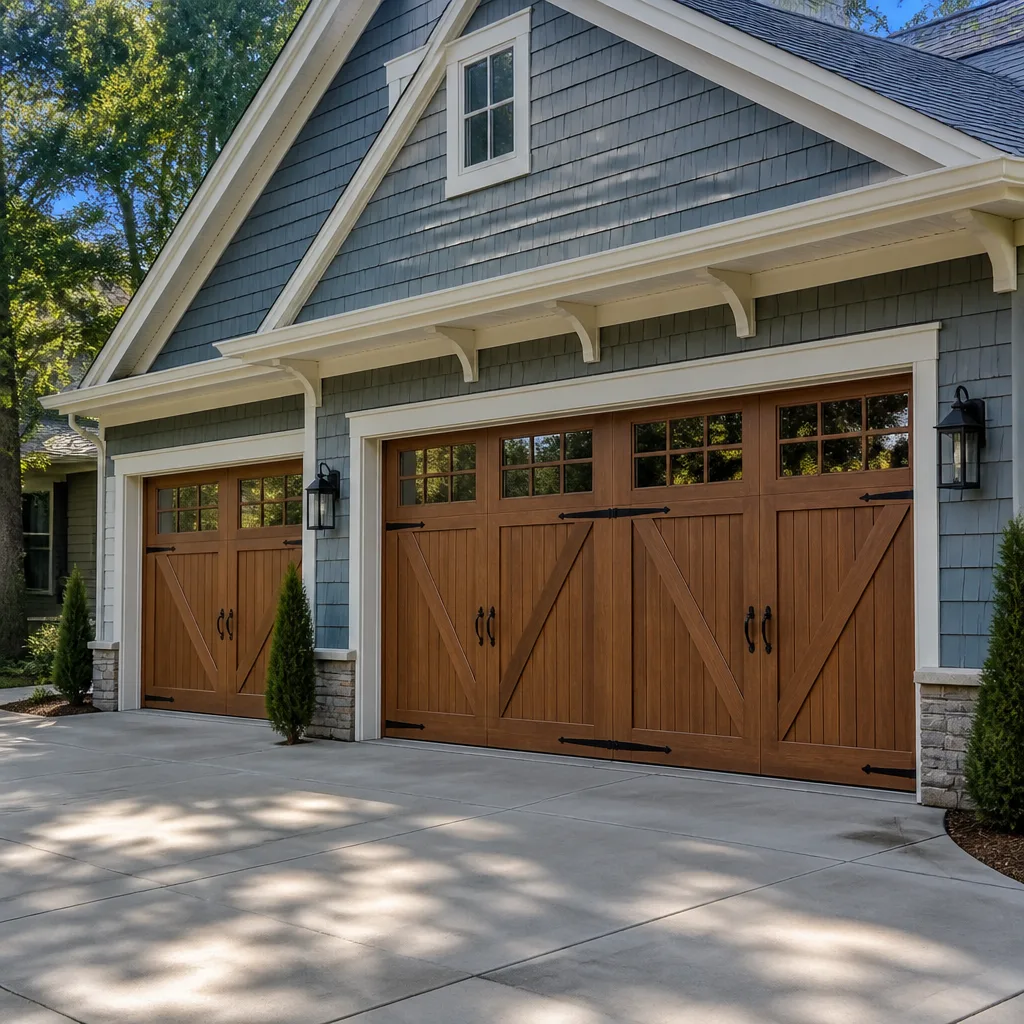 Carriage house
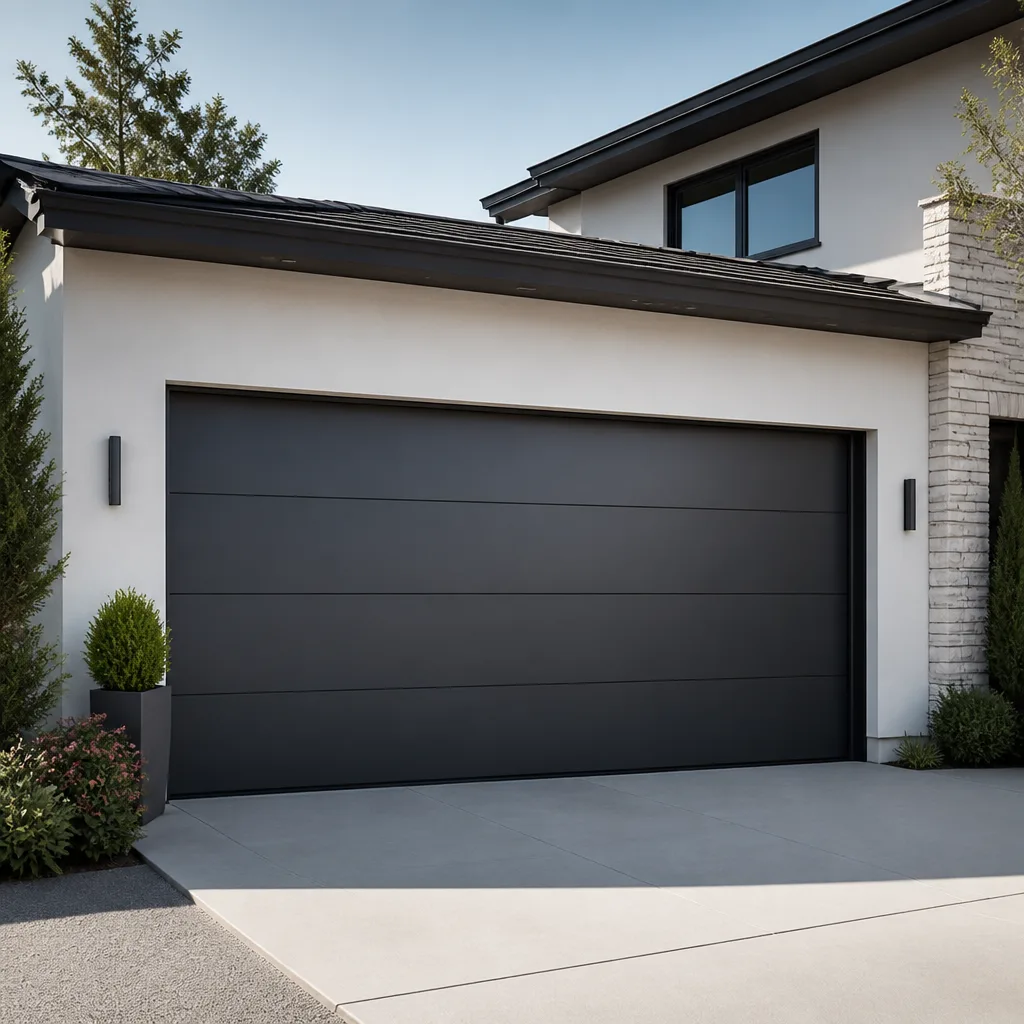 Modern flush
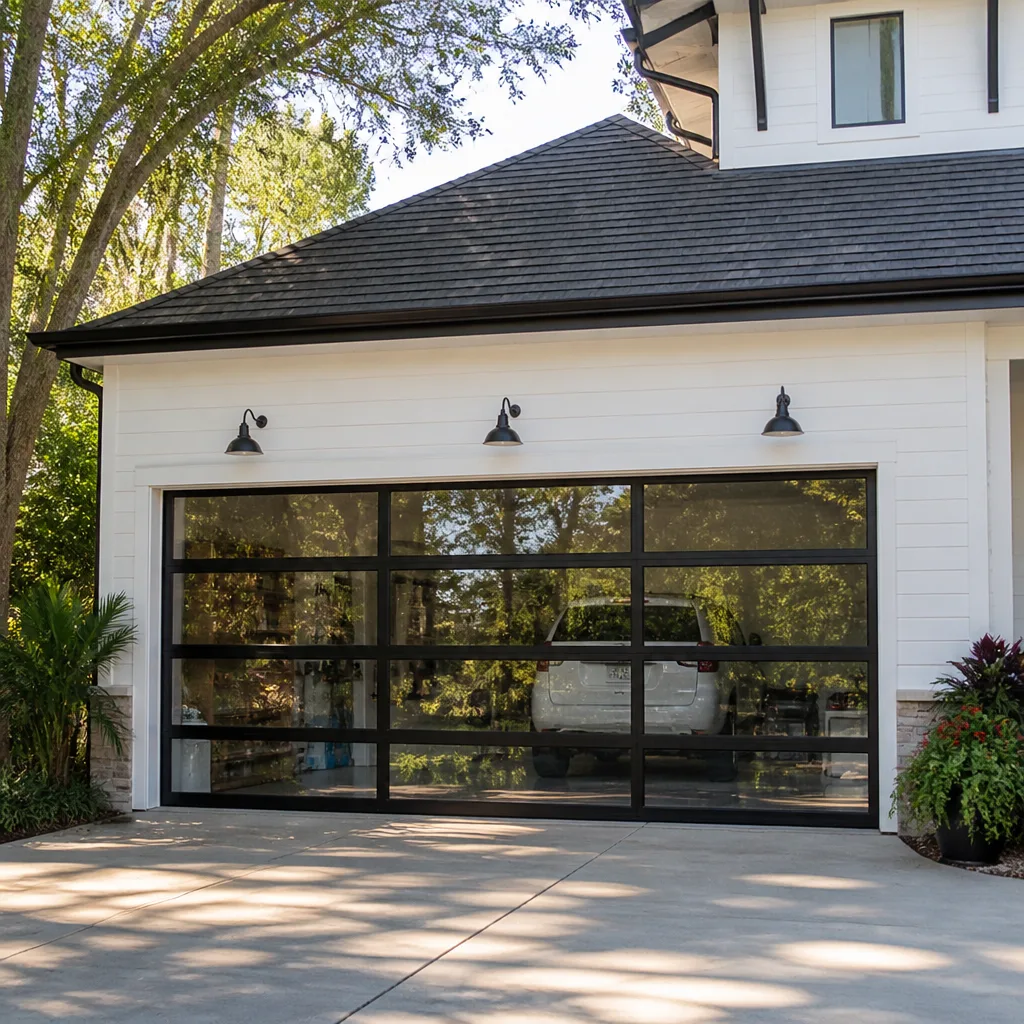 Full-view glass
 LiftMaster openers
 Chamberlain openers
Full 25-point door and opener safety check with every visit - springs, cables, rollers, tracks, and your LiftMaster or Chamberlain opener included
You get a price before we start. It does not change when the pro arrives.
Get your free estimateSeasonal Garage Door Care for Salt Lake City: Year-Round Homeowner’s Guide
Spring in Salt Lake City isn’t gentle on garage doors. Most homeowners assume the worst season for their door is deep winter, when the cold is at its hardest, and they brace for trouble in January. That’s the wrong month. The freeze-thaw cycling that runs between February and April is what fatigues torsion springs faster than sustained cold ever does, which is why a lot of spring failures land in March. The same logic plays out across the whole year: each Salt Lake City season loads a different part of your door system, and the failure you get in August was set up months earlier. This guide walks you through all four seasons plus the canyon wind events that don’t fit neatly into any of them, and shows you what to inspect before the stress peaks.
Quick Answer
Garage door care in Salt Lake City follows a four-season stress calendar: inspect springs and cables before the February-to-April freeze-thaw cycle, check panels and finish through the high-UV summer, audit seals and weatherstripping before the fall inversion season, and adjust opener force and lubrication for the cold-dense winter air. Paired with a post-wind check after Wasatch downslope events, that routine prevents the large majority of emergency repair calls we see in January and August.
Key Takeaways
- Freeze-thaw cycling, not sustained cold, is the main driver of spring failure along the Wasatch Front, and it peaks in early spring.
- Salt Lake City summer UV and 95°F-plus days warp steel panels, especially doors with dark paint finishes.
- Fall is your window to fix weatherstripping before inversion-season air quality makes a tight seal matter more.
- Winter needs an opener force check for cold-dense air at altitude, plus lubricants rated for below 20°F.
- After a 60-plus mph canyon wind event, check horizontal tracks and cable tension before you cycle the door again.
Styles & brands we work with
- Raised-panel steel
- Carriage house
- Modern flush
- Full-view glass
- LiftMaster openers
- Chamberlain openers
Table of Contents
- The Salt Lake City Seasonal Stress Calendar at a Glance
- Spring: Freeze-Thaw Fatigue and the Spring Check
- Summer: UV, Heat, and Panel Warping
- Fall: Seal and Weatherstrip Audit Before Inversion Season
- Winter: Opener Force and Cold-Rated Lubrication
- Canyon Wind Events: The Post-Storm Checklist
- Brand-Specific Care Notes
- Common Mistakes to Avoid
The Salt Lake City Seasonal Stress Calendar at a Glance
Every part of your garage door system wears, but each part wears hardest in a particular season. If you understand which stress peaks when, you stop reacting to breakdowns and start preventing them. That’s the whole idea behind a Salt Lake City care calendar. The valley’s climate does the specific work of wearing things out: freeze-thaw in late winter and early spring, intense high-altitude sun and heat in summer, and cold, dense air in winter. Layer in the downslope wind events that come off the Wasatch Range and you have a year with four distinct stress windows instead of one long grind.
Here’s how the stress shifts through the year. Use this as your planning reference and match each season’s task to the calendar month when it actually matters.
- Late winter into spring (February to April): Torsion springs and cables take the biggest load from repeated freeze-thaw. Spring failure risk peaks here.
- Summer (June to August): Sun exposure and heat drive panel warping, finish breakdown, and seal drying, worst on steel doors with dark paint.
- Fall (September to November): Doors and weatherstripping need attention before inversion season traps cold air and exhaust in the valley. Seals, thresholds, and bottom rubber are the priority.
- Winter (December to February): Cold-dense air at altitude makes your opener work harder. Lubrication and force settings matter most now.
- Any time: Wasatch downslope wind events can hit with little warning and stress tracks and cables sideways rather than vertically.
Notice that spring and fall aren’t about the door breaking. They’re the two windows where an inspection catches a problem while it’s still cheap. A stretched cable or a cracked bottom seal in October is a small fix. The same flaw in January, when the door won’t open, is a different call. The seasonal calendar is really about moving small fixes earlier, before the season that would push them into failure.
Spring: Freeze-Thaw Fatigue and the Spring Check
The most counterintuitive fact about garage door wear in Salt Lake City is that the springs are more likely to fail in March than in January. It isn’t the cold itself that breaks them. It’s the cycling: daytime temperatures warm enough to melt snow and ice, followed by nights that drop back below freezing, over and over through February, March, and April. Each cycle flexes the metal and works at the microscopic level where steel fatigues. Torsion springs are already under constant tension, and constant tension plus repeated thermal flexing is what shortens their life. By the time you’re noticing the door feeling heavier or hearing a clunk, the fatigue has been building for weeks.
Before the peak freeze-thaw window, walk through this check on your own door. You’re looking for signs, not fixing anything.
- Listen before you look. Stand in the garage and open the door a few times. A bang, a groan, or a rhythmic scrape is information. Note where it seems to come from.
- Look at the springs without touching them. With the door closed, check the torsion spring above the door (or the extension springs along the tracks on a lighter door) for visible gaps, rust streaks, or a stretch that looks uneven. Any of those is a reason to stop and call.
- Watch the cables. Look for fraying, kinks, or cables that have come off a drum. A cable under tension that looks damaged is a hands-off item.
- Check the door balance. Disconnect the opener (pull the release cord with the door closed), then lift the door about halfway by hand. It should stay put with light effort. If it slams down or won’t hold, the spring system is telling you something.
- Test the safety reverse. Put a piece of wood flat on the floor in the door’s path and close it. The door should reverse on contact. This is a quick, safe test that confirms the opener’s safety system still works.
One safety note matters here more than anywhere else in this guide. Torsion springs and the cables that run with them are under extreme tension, and a spring or cable that lets go can cause serious injury. Never try to adjust, loosen, or replace a spring or cable yourself, even if a video makes it look simple. This is work for a trained technician with the right winding tools. Our technicians have up to experience with exactly this kind of seasonal check, and if the diagnosis points to a repair, see our garage door repair service for what a proper fix involves.
One more spring detail that gets missed: the bottom seal and the gap under the door. In a freeze-thaw climate, water that pools at the threshold and refreezes can work at the bottom rubber and the concrete. A seal that’s pulled away from the door in March will let in cold air and moisture all the way to next winter. Check it during the same walk-through.
Summer: UV, Heat, and Panel Warping
Salt Lake City summers do a specific kind of damage to steel garage doors, and dark paint finishes get hit hardest. The combination of intense high-altitude sun and stretches of 95°F-plus days cooks the surface of the door. Steel expands in the heat and contracts overnight when the temperature drops, and a dark finish absorbs far more of that heat than a light one. Over a summer, that daily expand-and-contract cycle shows up as warping, oil-canning (the rippled look on a flat panel), and finish breakdown that leaves the paint chalky or peeling. A door that faces west or south takes the brunt of it. It’s not a defect in the door. It’s the local climate doing what it does, and it’s the reason a summer inspection matters as much as a spring one.
Here’s what to look at once the heat sets in:
- Panel flatness. Sight down the door from the side and look for sections that no longer line up. Slight rippling on a dark-painted steel door is an early sign, not a cosmetic issue to ignore.
- Finish condition. Run a hand over the sun-facing panels. Chalky residue or a surface that feels rough means the paint is breaking down and the steel underneath is starting to be exposed.
- Seals and weatherstripping. Heat dries out rubber and vinyl. Seals that felt supple in spring can feel hard and cracked by August.
- Hardware and hinges. Heat loosens things over time. Check that hinges and rollers aren’t rattling or working loose from daily thermal movement.
- Opener behavior on the hottest afternoons. If the door hesitates or the opener strains on a hot day, note it. Heat affects the opener’s motor and the door’s track expansion together.
What can you do about it before summer? A little prevention goes a long way. Paint or seal a door with a dark finish so the surface resists UV, and keep it clean of the dust and pollen that bake onto it. If your door is due for refinishing, doing it before the peak heat is far easier than after the finish has cracked. If you’re considering a new door and want to avoid this pattern, a lighter finish or a different material changes what the sun can do to it. We work on the major brands, so if your door is a Clopay, Amarr, or Wayne Dalton, we can tell you what to expect from your specific finish and recommend the right fix rather than a generic one.
Summer is also a good time to think about the opener, not just the door. Heat stresses the motor and the control board. If the opener is a smart unit like a LiftMaster or Chamberlain with myQ, hot-weather glitches sometimes show up as connectivity dropouts. Note those, and when they escalate, our garage door opener repair service is built around diagnosing the actual system in front of us, whether it’s a current smart platform or an older chain-drive unit.
Fall: Seal and Weatherstrip Audit Before Inversion Season
Fall is the season most homeowners skip, and in Salt Lake City it’s the one with the most at stake. As the weather turns, the valley enters inversion season, when cold air settles and traps exhaust and emissions near the ground. Two things follow from that. First, the air outside gets noticeably worse, and the more tightly your garage seals, the less of it leaks in. Second, a loose seal lets in cold air you’ll pay to heat and, if your garage shares a wall with the house, lets in fumes you’d rather keep out. The pre-inversion seal audit is your chance to fix the gaps before they matter most.
Walk the perimeter of the door and check these points. This is a visual and hands-on inspection, not a repair.
- The bottom seal. With the door closed, look at the bottom rubber from inside. Does it sit flat on the concrete all the way across, or are there gaps at the corners or a sag in the middle? Push on it gently; it should flex, not crumble.
- The side and top weatherstripping. Run your fingers down the trim where the door meets the frame. Cracks, hardness, or sections pulling away are all leaks. Rubber that’s hardened in summer heat won’t seal in winter cold.
- The threshold. Check the concrete under the door for cracks or a slope that lets water and air past the seal. A split threshold defeats a new bottom seal.
- The gap between door and frame. With the door closed, look for daylight around the edges from inside. Any light you can see is air coming in.
- The garage-to-house door, if you have one. Its seal matters as much as the main door’s, since that’s the boundary to living space.
- Cables and springs again. Fall is a second look at the same hardware you checked in spring, on the theory that a lot of cycles have happened since.
Seal and weatherstrip replacement is genuinely one of the smaller jobs in garage door care, and it’s one a homeowner can usually ask about cheaply. That’s exactly why doing it in fall, rather than in January when the draft is obvious, is worth it. A tight seal in Salt Lake City before inversion season is about comfort, energy, and the air in the house, not just a tidy look.
Fall is also the calm window to schedule anything bigger you’ve been putting off. If the summer inspection turned up a panel that’s warping or paint that’s failing, a scheduled replacement in October beats a rushed repair in a snowstorm. The work on installation and replacement is measured and scheduled, so a written estimate now sets the price before winter demand picks up.
Winter: Opener Force and Cold-Rated Lubrication
Winter in Salt Lake City asks two specific things of your system: correct opener force for cold-dense air, and lubrication that doesn’t turn to gum at low temperatures. The altitude matters here. At Salt Lake City’s elevation the air is thinner in absolute terms, but the winter cold makes the air the door moves through denser and heavier, and the door’s own metal, seals, and lubricants stiffen. The result is an opener that has to work harder to lift the same door it lifted easily in October. That’s not a failing opener. It’s a system that needs its force adjusted for the season. Check it once the cold settles in and again if the door starts acting sluggish.
What to check in winter, in order:
- Opener force and travel limits. If the door reverses unexpectedly, struggles to close, or stops short, the opener’s force setting likely needs a look. On most modern openers this is an adjustment, but the right setting has to respect the door’s weight and balance, so get it checked rather than cranked up blindly.
- Safety reverse. Re-test the contact reverse and the photo-eye safety system. Cold can affect the eyes and their alignment, and this is the one safety feature that must work all winter.
- Lubrication. Use a low-temperature lubricant on the moving parts (rollers, hinges, the torsion spring, the track where the rollers ride). Standard lubricants can get thick and gummy below 20°F, which adds drag exactly when the opener is already working harder. Ask what product your technician uses and match it.
- Seal condition. The bottom seal you audited in fall is now under real winter load. Recheck it once the cold is steady.
- Ice at the threshold. Keep the area under the door clear of ice and packed snow so the door closes fully and the seal seats.
Two other winter points. First, if a door fails on a Saturday, we’re closed that day, but a call that comes in off-hours gets booked into the next opening, Sunday through Friday, 7am to 7pm. Second, winter is when an aging opener shows its age. A Craftsman or Genie unit that’s been reliable for years may start balking in cold weather simply because the motor is tired. That’s information, not a crisis. If you want to know whether repair or replacement makes sense, we can look at the actual system and tell you.
Resist the urge to solve a winter door problem by forcing the opener. Cranking the force up to overcome a stiff door masks the real issue and stresses the opener and the door hardware. The right move is to find out why the door is stiff.
Canyon Wind Events: The Post-Storm Checklist
Wasatch downslope wind events don’t follow the seasonal calendar. When canyon winds come off the range and push through the Salt Lake City valley at 60 mph or more, they hit your garage door sideways rather than vertically, and that’s the load the door wasn’t designed to take day to day. Horizontal tracks can bend, cables can jump a drum, and the door’s alignment can shift. You may not see the damage until you cycle the door and hear a scrape or a bang. After any wind event strong enough to rattle the house or take down branches, do a quick check before you open the door again.
- Look at the horizontal tracks (the parts that run back into the garage along the ceiling). Sight down them and check that they’re straight and parallel. A bent track will make the door drag and can throw a roller.
- Check the vertical tracks for any bow or separation from the wall.
- Look at cable tension and cable position. Cables should sit cleanly in the drums. A cable that’s off the drum, tangled, or slack is a stop-and-call item. Don’t cycle the door.
- Check the springs and their mounts for anything that looks shifted or loose.
- Check the door panels for dents or a door that no longer sits square in the frame.
- After all of that looks fine, cycle the door once slowly and listen. Any new noise after a wind event is worth a look.
If the wind has bent a track or knocked a cable, don’t try to bend the track back or re-seat the cable yourself. Track and cable work looks simple and isn’t; the door is heavy, and a cable under load is dangerous. A bent horizontal track is a straightforward fix for a technician and a bad idea for a homeowner with a pry bar. It’s also the kind of repair that’s far cheaper and easier to do right after the storm than after the door has run on a bent track for a week and taken the rollers and hinges with it.
Wind damage is one of the more common reasons Salt Lake City homeowners call us after a storm front moves through the valley. If a wind event leaves your door noisy, off-track, or hard to open, the right fix starts with a diagnosis. We can work with your carrier if a repair turns into an insurance question. Call (866) 389-4585. We answer 24/7. Fast dispatch from 7am to 7pm, Sunday through Friday.
Brand-Specific Care Notes
Your door and opener brand shapes what a seasonal check should focus on. Because we work across eight major residential brands, the LiftMaster, Chamberlain, Genie, Clopay, Amarr, Wayne Dalton, Craftsman, and Raynor systems in Salt Lake City homes all get the same careful eye, but each has its own tendencies. Knowing the brand matters because it tells us which part of the system to look at hardest and lets us order the exact part rather than a workaround.
- Wayne Dalton: Many of these doors use a torsion system or a proprietary spring arrangement, and panel construction varies a lot by model. In freeze-thaw, check the springs and the balance as described above. Knowing the model tells us which spring to specify.
- Craftsman openers: A lot of Salt Lake City homes still run legacy Craftsman units. In winter, cold-weather balking on an older Craftsman often points to a tired motor or dried lubricant rather than a failed safety system. We can diagnose which it is.
- Raynor: Raynor doors and openers are built to a particular spec, and their track and hardware have their own geometry. After a canyon wind event, they deserve a check against the manufacturer’s setup rather than a generic straightening.
- LiftMaster and Chamberlain (myQ): If you’ve moved to a smart opener, use it. Set up alerts on your myQ system, and notice when it flags a door left open or a cycle that took too long. That early warning is often the first sign of a failing spring or a stiff seal, and it’s exactly the kind of thing the seasonal calendar catches before it becomes a repair call.
For Clopay, Amarr, and Genie systems, the seasonal focus is the same: springs and balance in spring, panels and finish in summer, seals in fall, opener force and lubrication in winter. The point of paying attention to brand isn’t to make care complicated. It’s that when something does need fixing, the technician knows your system instead of guessing at it. If you’d rather have a specialist walk through your specific door and opener, see what Cypress Garage Door Service covers across Salt Lake City. When the diagnosis is clear and a repair is needed, our Cypress Garage Door Service team can take it from there with a written estimate that sets the price before any work starts.
Common Mistakes to Avoid
We see the same handful of seasonal-care mistakes in Salt Lake City homes again and again. Most of them are easy to avoid once you know what they are.
- Assuming winter is the dangerous season for springs. The freeze-thaw cycle from February through April does more fatigue damage than sustained cold. Check springs in early spring, not just when it’s cold.
- Ignoring a dark-painted steel door all summer. The heat and UV on a dark finish are what warp panels and crack paint. Give that door a summer look and refinish it before the damage sets.
- Skipping the fall seal audit. Inversion season is exactly when a tight seal matters, and it’s the season most homeowners never check for. Do it before the cold settles.
- Using the wrong lubricant in winter. A general-purpose grease that turns gummy below 20°F adds drag to a door that’s already stiff. Use a low-temperature product.
- Cranking up opener force to fix a stiff door. More force doesn’t fix a stiff door; it stresses the opener and hardware. Find out why the door is stiff instead.
- Cycling the door after a wind event without looking. A bent horizontal track or a cable off its drum is dangerous if you run the door. Look first, then open.
- Trying to adjust springs or cables yourself. These parts are under extreme tension and can cause serious injury. This is a trained-professional job every time.
See the difference
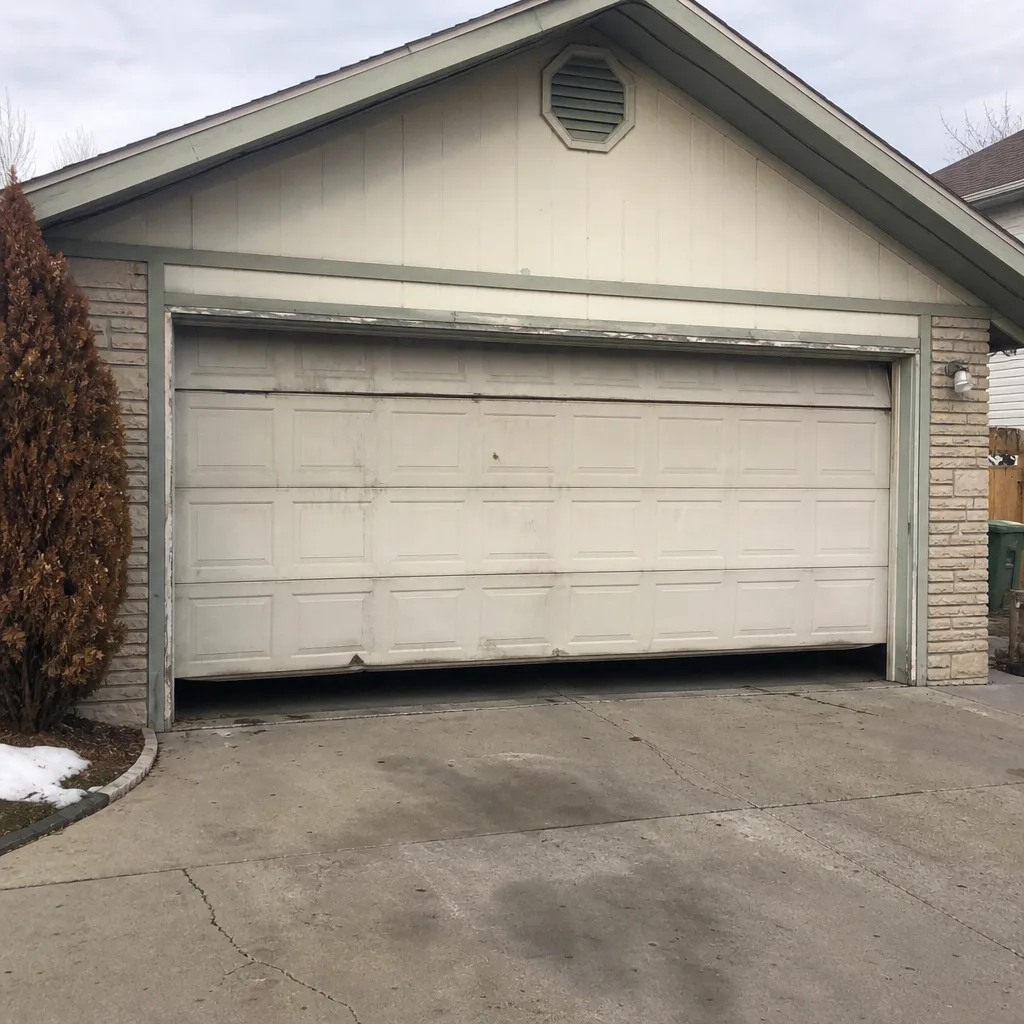 Before
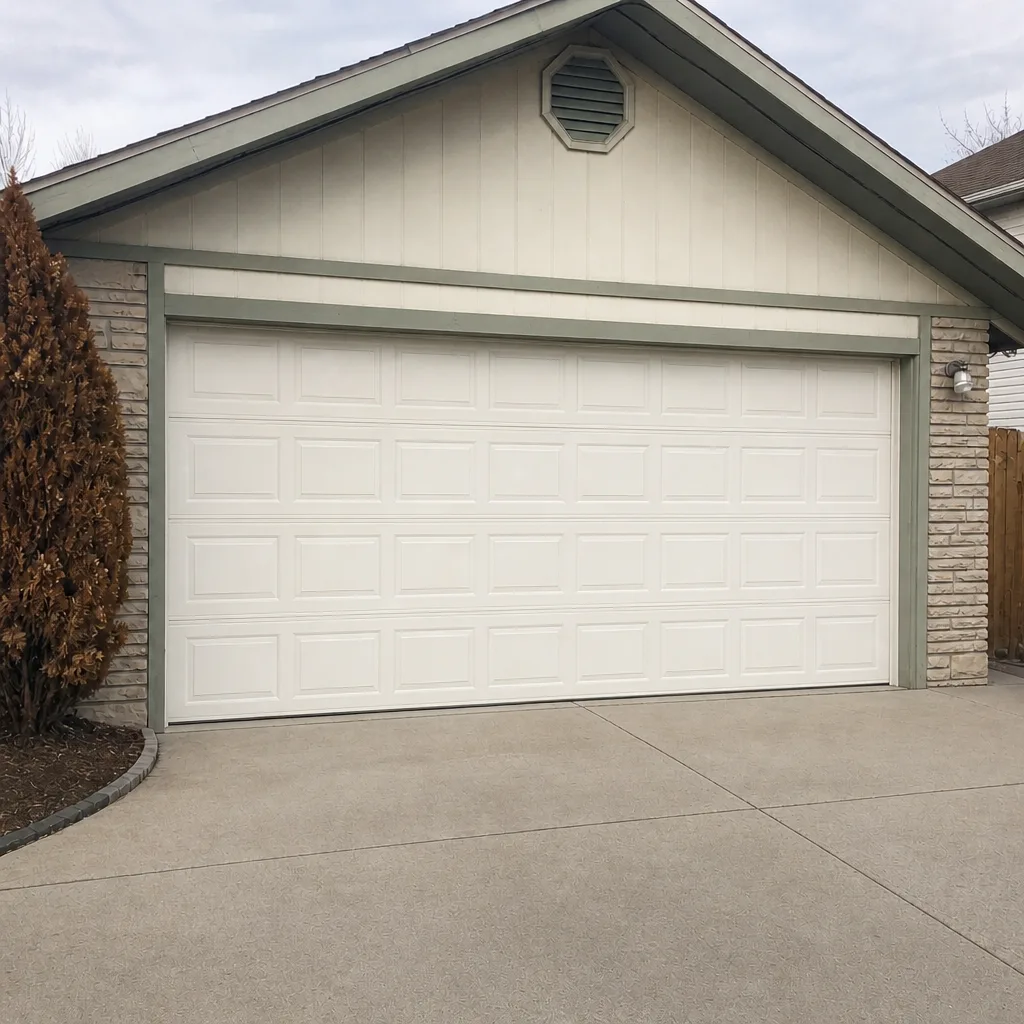 After
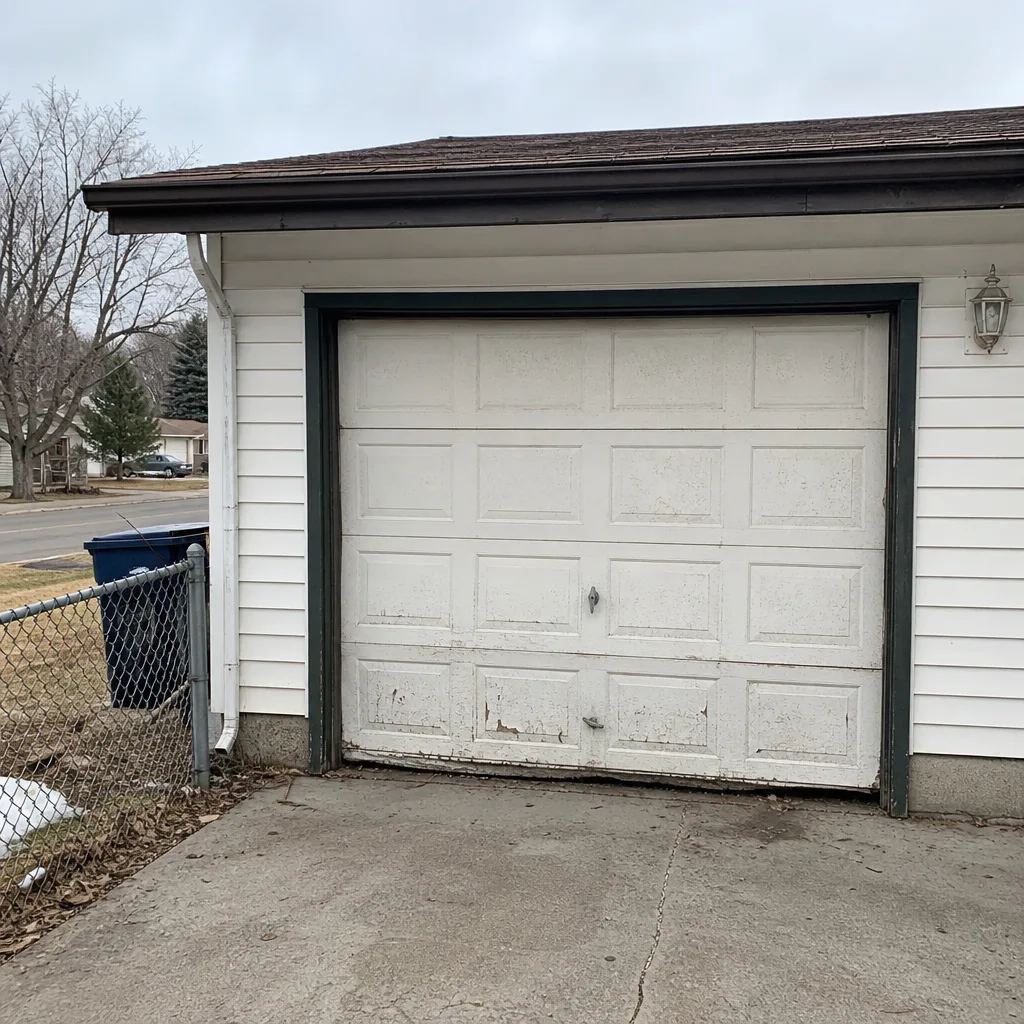 Before
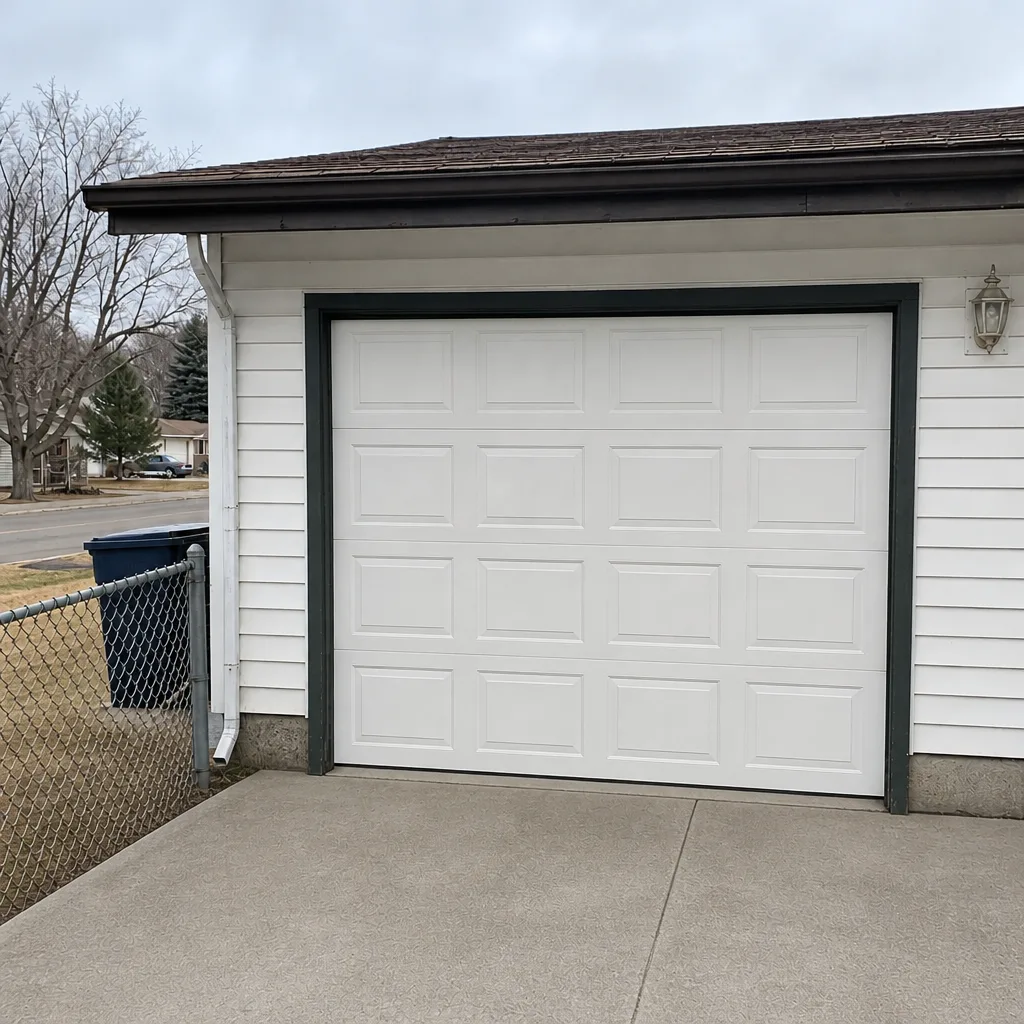 After
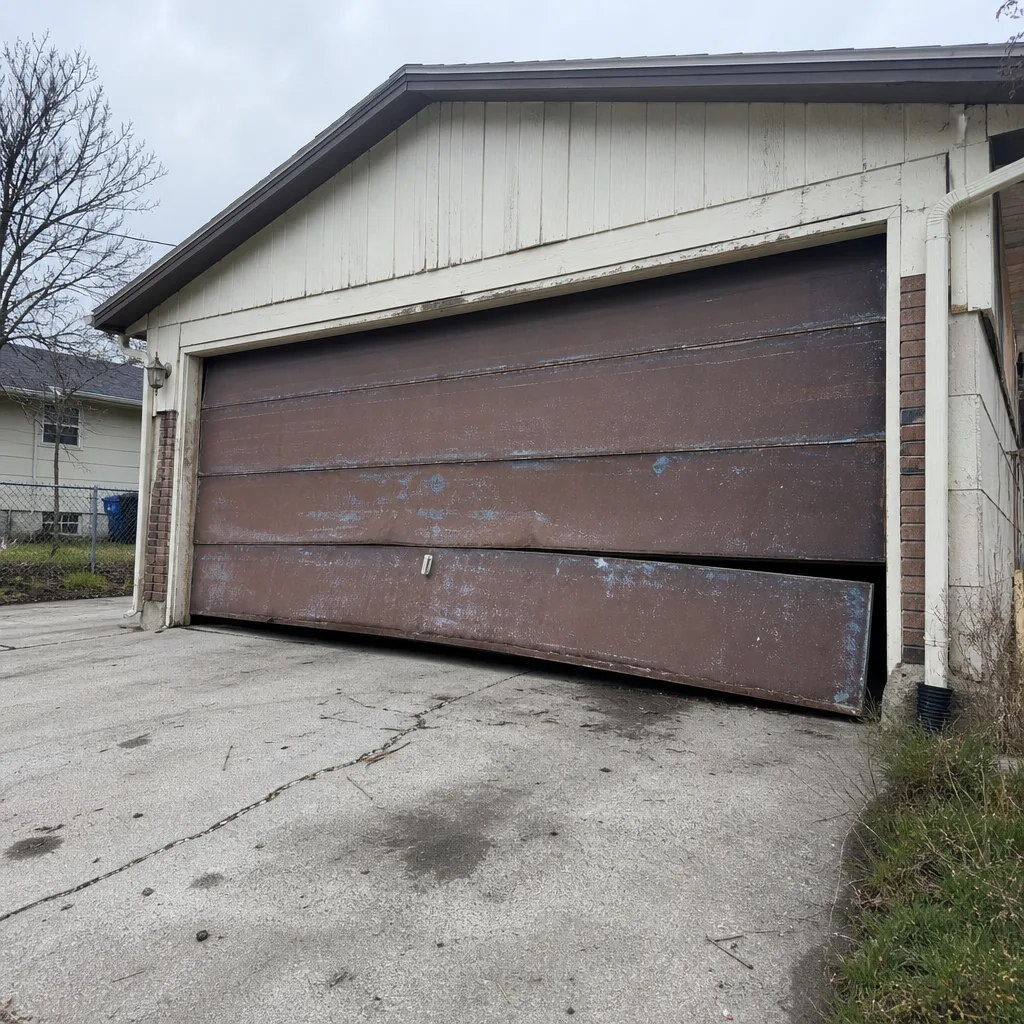 Before
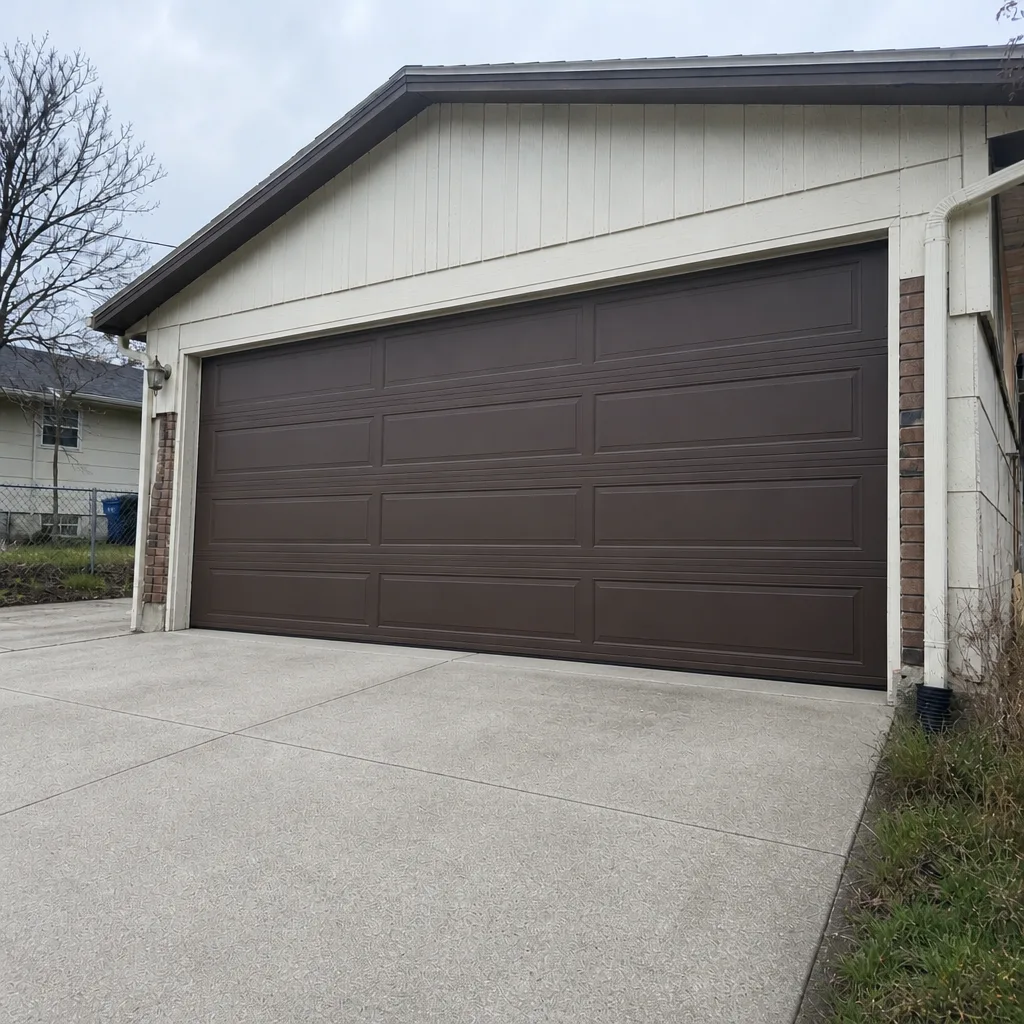 After
When to Call a Professional
You should call a professional technician for anything involving springs, cables, tracks out of alignment, or an opener that won’t set its force correctly. Those are the parts where the seasonal check turns into a genuine safety concern. Call us when you notice the door feeling heavy or slamming, when a spring shows visible gaps or rust, when a cable is off its drum, when a panel is clearly warping beyond the early rippling, when a wind event has bent a track, or when your opener reverses unexpectedly or won’t respond to adjustment. If you’ve done the visual check and something looks off, that’s the right time to have a trained eye look at it. Cypress Garage Door Service offers free estimates in Salt Lake City, and the price is quoted and agreed before any work starts. Call (866) 389-4585. We answer 24/7. Fast dispatch from 7am to 7pm, Sunday through Friday. Our technicians have up to experience, and every technical guess we’ve made on a door that turned out to be something else has taught us the same lesson: diagnosing the actual system is faster than guessing.
Frequently Asked Questions
Springs in Salt Lake City are most likely to fail in March, not January. The February-to-April freeze-thaw cycle flexes the metal repeatedly, and that fatigue does more damage than sustained winter cold. Inspect the springs before that window opens. If the door feels heavy or a spring shows gaps or rust, call (866) 389-4585 for an exact quote. Estimates are free.
Your opener’s force and travel limits may need adjustment for cold-dense winter air, which makes the door harder to move through the season. Get it checked by a technician rather than cranking the force up blindly, and pair it with a low-temperature lubricant on the moving parts. A professional can set the force correctly against the door’s weight and balance.
Intense high-altitude sun and 95°F-plus days cause steel doors, especially those with dark paint finishes, to expand in the heat and contract overnight. Over a summer, that daily cycle shows up as panel warping, oil-canning, and finish breakdown. Check sun-facing panels in summer and refinish early.
After a 60-plus mph canyon wind event, check the horizontal tracks for bending, the cables for proper seating in their drums, and the door for panels that no longer sit square. If a track is bent or a cable is off, don’t cycle the door. Call (866) 389-4585 for an exact quote. Estimates are free.
Yes. Fall is your window to fix weatherstripping before inversion season, when a tight seal keeps out cold air and fumes. Check the bottom seal, side and top trim, and the threshold with the door closed. Any daylight you see from inside is air leaking in.
Yes. Smart openers can alert you to a door left open or a cycle that took too long, which is often the first sign of a failing spring or a stiff seal. Use those alerts as your seasonal early-warning system, and have a technician diagnose the actual system when one fires.
The Bottom Line
The key to year-round garage door care in Salt Lake City is understanding that each season loads a different part of the system. Freeze-thaw fatigue peaks in early spring, so check springs before February. Summer sun and heat attack panels and finish, so give dark-painted steel doors a summer look. Fall is the window to audit seals before inversion season. Winter needs an opener force check and low-temperature lubrication for the cold, dense air at altitude. And after any 60-plus mph canyon wind event, check horizontal tracks and cable tension before you cycle the door. Follow that calendar and you prevent most of the emergency calls we see in January and August.
Salt Lake City’s climate is specific, and your garage door care should be too. The seasons here don’t just change the temperature; they tell you what to check and when. If you’d like a specialist to walk through your door and opener and set you up on the right routine, call (866) 389-4585 for a free estimate. We answer 24/7. Fast dispatch from 7am to 7pm, Sunday through Friday, closed Saturday. The written estimate sets the price before any work starts, and we’ll diagnose the actual system in front of us every time.
Written by the team at Cypress Garage Door Service.