
Last updated November 15, 2026
 Raised-panel steel
 Carriage house
 Modern flush
 Full-view glass
 LiftMaster openers
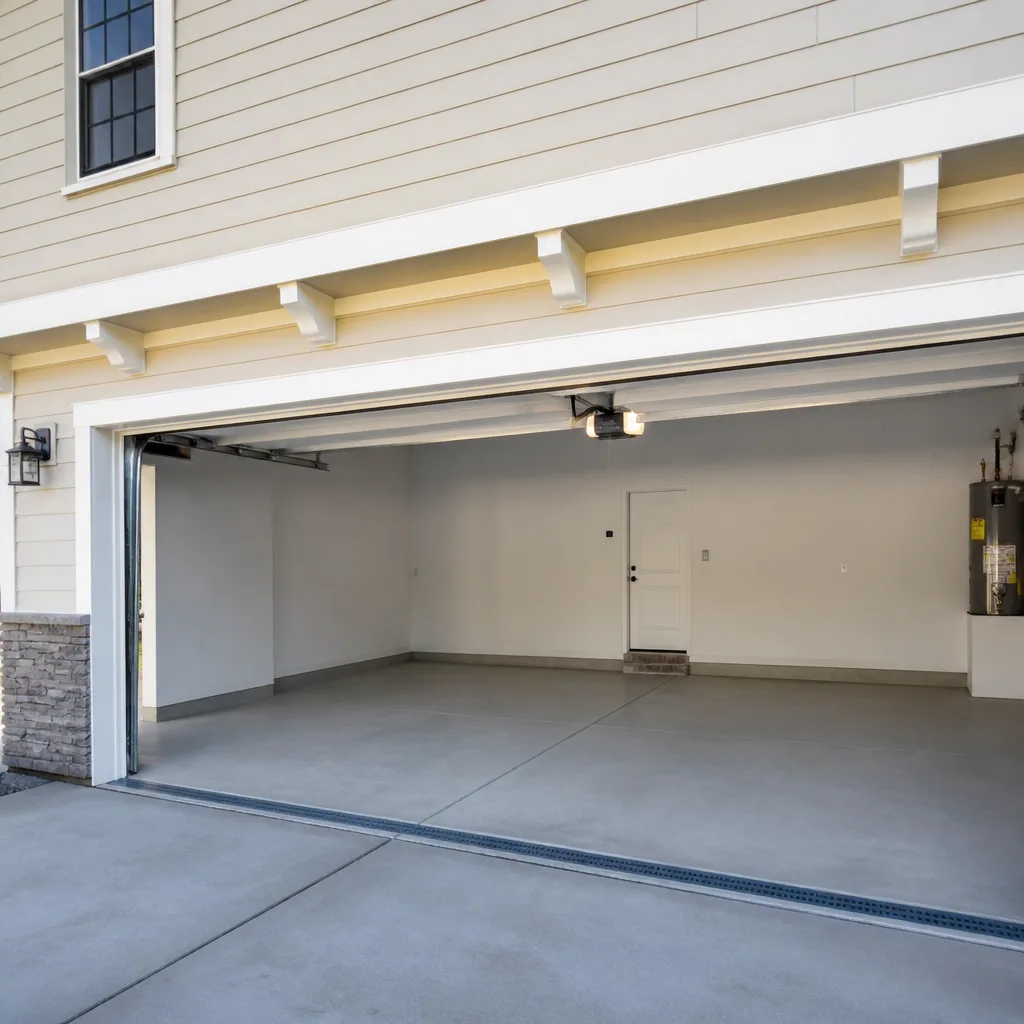 Chamberlain openers
Full 25-point door and opener safety check with every visit - springs, cables, rollers, tracks, and your LiftMaster or Chamberlain opener included
You get a price before we start. It does not change when the pro arrives.
Get your free estimateGarage Door Repair Maintenance Schedule: What to Do and When
The most common reason a Salt Lake City garage door fails in the middle of January is a task nobody did in October, and that task takes about eight minutes. Most homeowners assume a garage door either works or it doesn’t, so they ignore it until something snaps. The truth is that doors rarely fail without warning. They give you months of small signals – a shudder, a squeak, a door that reverses a few inches off the floor – and those signals have a seasonal rhythm here that a national “lubricate twice a year” checklist completely misses. Salt Lake City garages run through a freeze-thaw cycle in spring, a heat expansion stretch in summer, and a winter of road salt tracked in on the car. This guide gives you a month-by-month calendar built around that cycle, plus the product specs, baseline measurements, and inspection habits that actually prevent breakdowns. By the end you’ll know exactly what to do, and when.
Quick Answer
A garage door maintenance schedule for Salt Lake City runs on a monthly self-check, a seasonal deep check tied to freeze-thaw and summer heat, and one professional tune-up per year. Most of the work is visual and takes under ten minutes a month. The annual tune-up is where spring tension, cable wear, and opener force settings get measured and corrected, and that’s the visit that keeps a small wear item from turning into a snapped spring on a cold morning.
Styles & brands we work with
- Raised-panel steel
- Carriage house
- Modern flush
- Full-view glass
- LiftMaster openers
- Chamberlain openers
Table of Contents
- Why a Salt Lake City Maintenance Schedule Looks Different
- The Month-by-Month Salt Lake City Calendar
- Which Lubricants Actually Hold Up in Utah’s Temperature Range
- How to Set a Measurable Baseline for Spring Tension and Cable Wear
- The Five-Minute Monthly Self-Inspection Checklist
- What a Professional Annual Tune-Up Should Include
- Common Mistakes to Avoid
- When to Call a Professional
Why a Salt Lake City Maintenance Schedule Looks Different
National garage door advice is written for an average climate that doesn’t exist. Salt Lake City sits in a valley where the same door can see 15°F in February and 100°F in July, and that swing does specific things to a garage door’s moving parts. The spring hardware that holds proper tension in mild weather expands and contracts through that range, and every cycle works a little slack into a system that was tuned in a different season.
Here’s the pattern we see across Salt Lake City. In late winter and early spring, the ground thaws and the valley gets its freeze-thaw stretch – warm afternoons, cold nights. That’s when the concrete under the door moves, when the bottom seal loses its pliability, and when spring tension that felt fine in December starts to feel heavier or lighter than it should. In summer, the heat goes to work on the rubber parts: weather seals, the photo-eye lenses on smart openers, and the plastic components in Genie and Chamberlain drive systems. Road salt tracked onto the door and into the tracks through winter accelerates corrosion on hinges, rollers, and cables from November through March.
The point is that a maintenance calendar built for this valley has three distinct checkpoints that a generic “lubricate twice a year” schedule ignores. Spring after the last hard freeze. Summer when heat peaks and seals soften. Fall before the first freeze, which is the one that saves you a January call. Our technicians have up to experience working on this exact seasonal pattern, and the calendar below is built around it.
The Month-by-Month Salt Lake City Calendar
This calendar assumes a single-car or two-car residential door with a standard torsion or extension spring setup. If your door is newer or still under a warranty from Clopay or Amarr, ask about maintenance requirements before you touch anything.
- January – February (deep winter). Keep tracks clear of ice and snowmelt. Check that the door closes flush; a door that stops short of the floor is pulling on the opener. Don’t force it – call for garage door repair if a spring has snapped.
- March – April (freeze-thaw). This is the big inspection. Walk the full length of both cables looking for fraying. Listen for uneven spring tension. Check that the bottom seal still makes contact with the floor as the slab moves.
- May (post-thaw tune). Clean and lubricate rollers, hinges, and tracks once the freeze-thaw window has closed. This is when spring hardware gets its look.
- June – August (heat). Inspect weather seals and the bottom astragal for softening and cracks. Clean photo-eye lenses on smart openers – dust and heat haze confuse them. Check door balance; summer heat warps panels and that throws off balance.
- September – October (pre-winter, the important one). This is the eight-minute task from the top of this page. Lubricate everything, test the auto-reverse, verify opener force settings, and confirm spring tension feels even.
- November – December (salt season starts). Wipe down the door skin, tracks, and hinges to remove road salt before it sits. Do a quick visual on the cables. Book your professional tune-up if you haven’t.
That’s a full annual cycle with two heavy-touch months (April and October) and light checks the rest of the year.
Which Lubricants Actually Hold Up in Utah’s Temperature Range
Generic “white lithium grease” advice is the single most repeated garage door recommendation on the internet, and it’s often wrong for a Salt Lake City garage. White lithium is fine in mild climates. Here, in a garage that swings from below freezing to over 100°F, the wrong product either thickens and gums up in January or thins and runs off in July. Here’s what holds.
- Track, rollers, and hinges: a silicone-based spray lubricant with a light film. Silicone stays fluid across the full temperature range and doesn’t attract the dust that the valley’s dry summers throw off. Use white lithium only where you have a heavy metal-on-metal contact that needs a tackier coat.
- Springs: a clean, light lubricant spray, applied sparingly. Never apply heavy grease to a spring. Grit binds to grease and wears the coils.
- Nylon rollers: no lubrication needed. Grease on a nylon roller attracts grit and shortens its life.
- Hinges and pivot points: silicone spray or a light viscosity (roughly a 10W to 30W range) oil that stays in place in the cold. Reapply in October for winter and in May for summer.
Skip WD-40 as a long-term lubricant – it’s a solvent, not a lasting film. Never lubricate the track surface itself; the door wheels need to roll against it, not slide.
How to Set a Measurable Baseline for Spring Tension and Cable Wear
Most homeowners find out a spring has been degrading for months only after it breaks. You can set a simple baseline that lets you track degradation instead of guessing. You do this from a position of safety – looking, listening, and lifting to check – never by adjusting or winding anything yourself. Torsion springs and cables are under extreme tension and are genuinely dangerous. Any actual adjustment belongs with a trained technician; your job here is measurement and observation.
Set your baseline once, then compare each season:
- Door weight feel. Disconnect the opener (pull the release cord) and lift the door halfway by hand. It should feel roughly the same each time you test it. If the door suddenly feels much heavier, tension is dropping. If it slams up, tension is too high. Write down what it felt like in a bright, dry month – that’s your reference.
- Balance point. Lift the door to waist height and let go. A properly balanced door holds roughly there without drifting far. Note where it rests. If it starts sinking further each season, spring tension is wearing.
- Cable strand count. On a fresh cable, all strands run clean and parallel along their length. Compare a photo taken each spring and fall. Any broken strand, or a cable that’s jumped out of its drum groove, is a stop-and-call situation.
- Spring coil gap. Look along the length of the spring. Coils should sit evenly spaced. A gap opening in one spot means the spring has stretched and lost stored tension – a sign it’s near the end of its life.
- Noise baseline. Record a short video of the door operating when it’s quiet. Compare back to it each season. New creaks and pops are early signals.
When your baseline shows real degradation, that’s a job for a trained professional. It’s the kind of thing we diagnose as part of garage door repair in Salt Lake City.
The Five-Minute Monthly Self-Inspection Checklist
Run this once a month, no tools needed, and you’ll catch the great majority of developing problems before they become failures. It’s the single highest-value habit in this whole guide, and it works on any door brand – a Genie chain drive, a LiftMaster belt, a Wayne Dalton, doesn’t matter.
- Look at the cables. Both sides, full length. Any fray, kink, or slack. Any sign, stop – don’t operate the door.
- Look at the springs. Both coils evenly spaced, no visible gap. Rust streaks are early signs of failure.
- Look at rollers. Any cracked nylon, or any roller that’s worked loose from its track slot.
- Look at hinges. Any loose screws, any visible gap or bend at the fold points.
- Test the safety reverse. Lay a roll of paper towels flat under the door path, close it, and confirm the door reverses back up on contact.
- Test the photo-eye. Block the beam with your foot. The door should refuse to close.
- Listen. Open and close once. Any new squeak, thump, or grinding? Compare against last month.
- Look at the seal. Bottom seal touching the floor, no daylight gap. Weather seal around the sides intact.
If any of those tests raises a flag, don’t wait for the annual tune-up. Call us.
What a Professional Annual Tune-Up Should Include
An annual tune-up is the one visit that catches what a homeowner can’t see or measure safely. But the quality varies widely, and a rushed 20-minute visit that’s just a spray and a wave isn’t the same as a real service call. Here’s what a proper tune-up should include, so you know whether you’re getting full value.
What it should include:
- Spring tension measurement and adjustment. This is the core of the visit. A technician measures the tension and corrects for seasonal drift. This task is why the tune-up exists.
- Cable inspection and lubrication points. Full length of both cables, with any wear reported, and every moving pivot lubricated with the right product for the temperature range.
- Opener force and travel limit calibration. On a smart opener like a myQ-compatible LiftMaster or Chamberlain, the safety reverse settings get re-tested and re-set.
- Roller and hinge inspection. Worn rollers replaced if needed, hinge screws checked and tightened.
- Balance test. Full open and close cycle, disconnect and re-balance.
- Written findings. Anything you should watch before it fails, and a price for anything that needs fixing.
What a rushed tune-up often skips: actual tension measurement (some just spray and declare it fine), force calibration, roller condition, and any written report. If a tune-up takes 20 minutes and no one measurably checks the springs, you’ve paid for a spray. For garage door opener repair or a full system check, ask before the visit what’s included.
Common Mistakes to Avoid
- Waiting until the door stops working. The most expensive garage door calls are the ones that started as a skipped October check. Wear items give you months of warning.
- Greasing the track. The wheels roll, they don’t slide. Lubricant on the track collects grit and makes the door bind.
- Using white lithium as your default. It’s the wrong product for Salt Lake City’s temperature range. Silicone holds up better here.
- Assuming a “tune-up” means a real service. If the technician doesn’t measure spring tension and calibrate the opener force, it’s not a full tune-up.
- Adjusting springs or cables yourself. These parts are under extreme tension. They cause serious injury in untrained hands. Stop and call.
- Ignoring road salt. Salt tracked onto the door and into the tracks through winter is a slow corrosion problem. A quick wipe is a small task with a big payoff.
- Overlooking the photo-eye lenses after a hot summer. Dust and heat haze on the lenses are a frequent cause of doors that reverse on their own. A two-minute wipe.
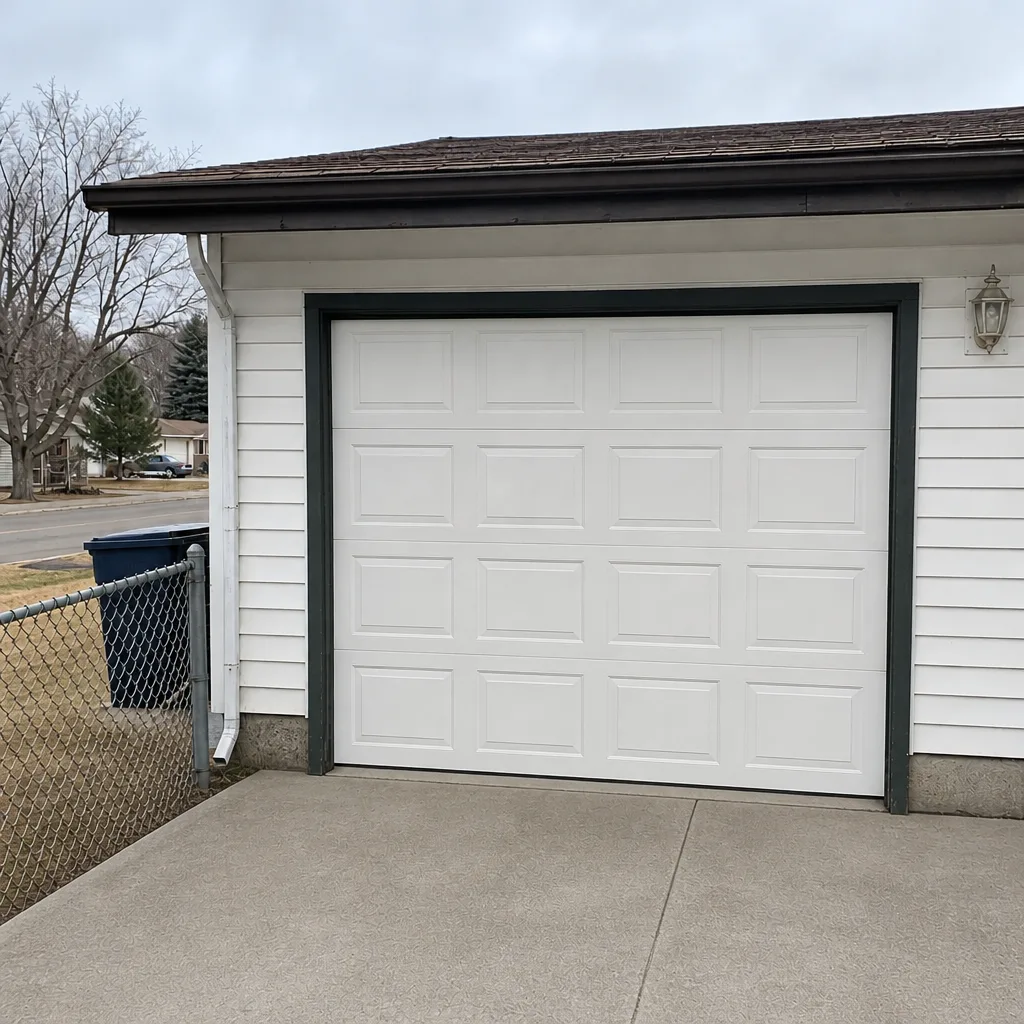
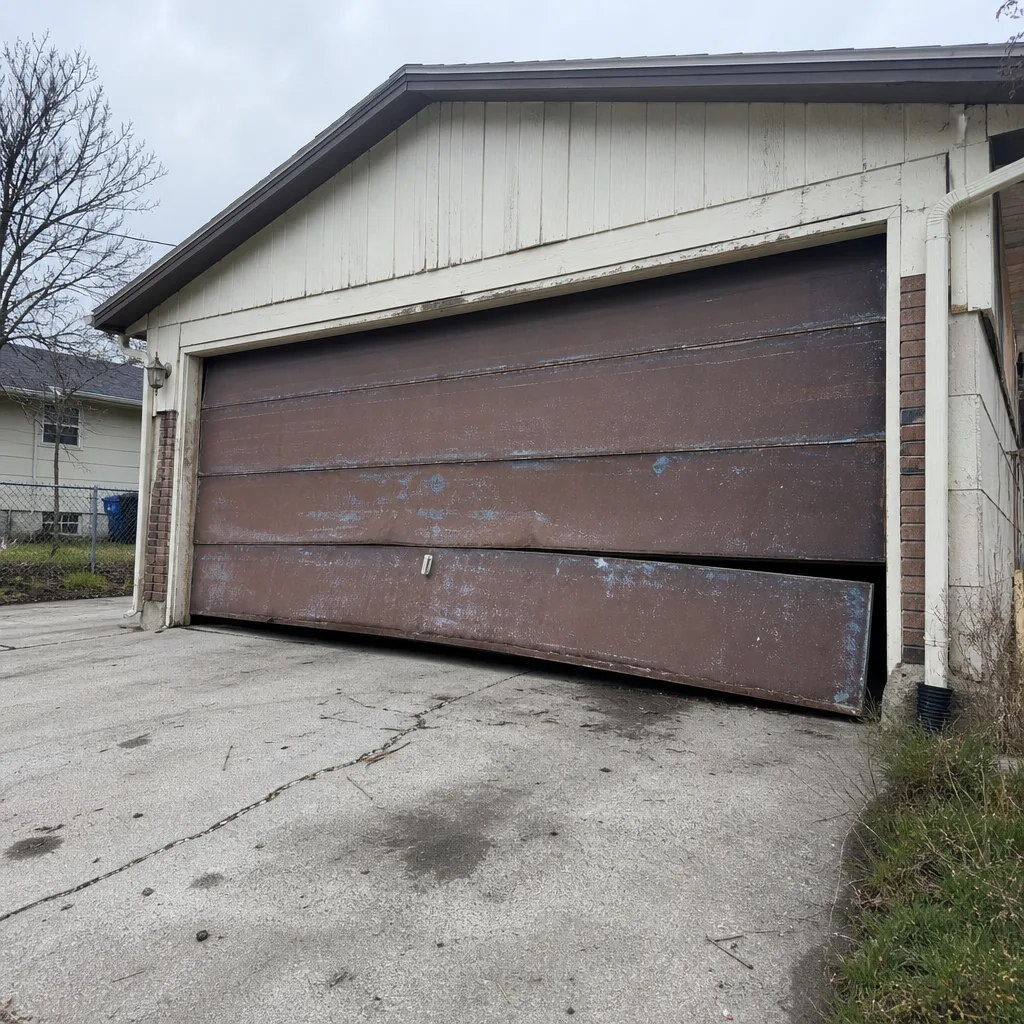
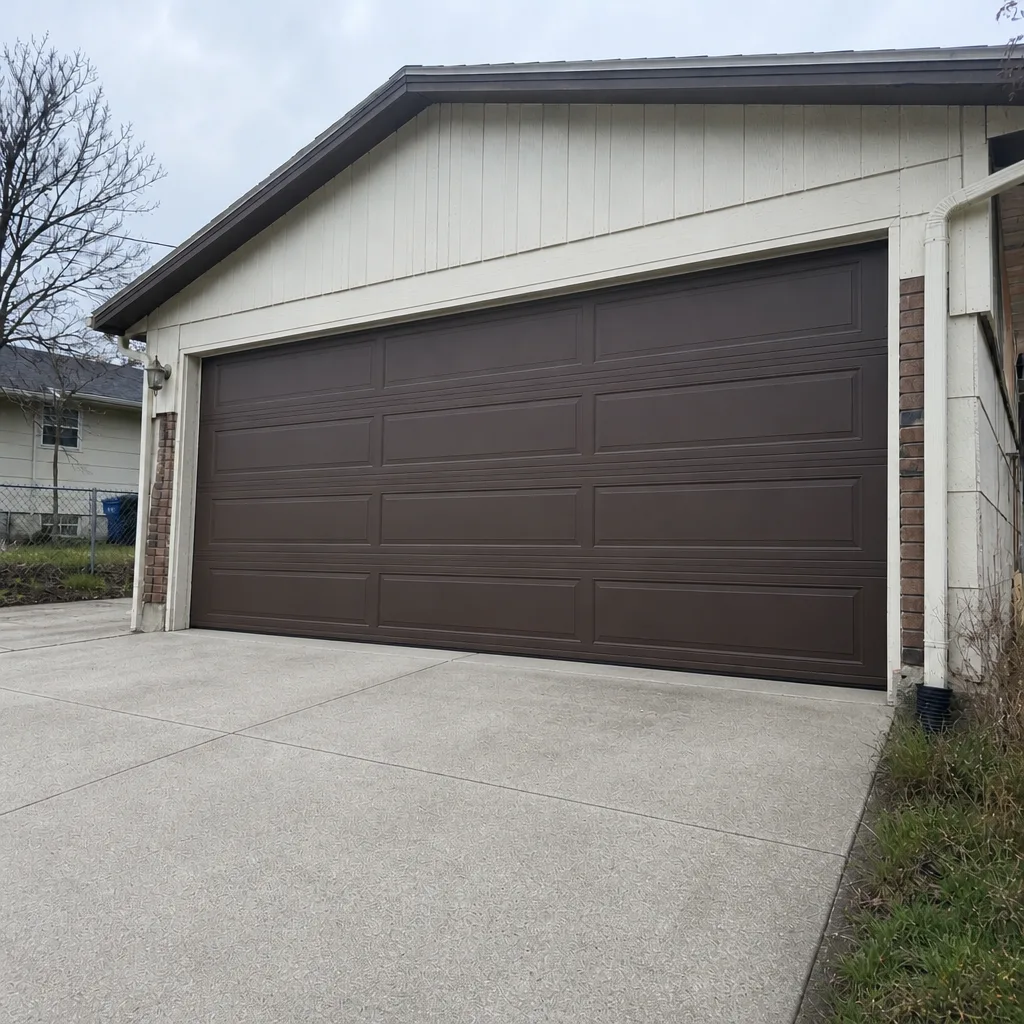
See the difference
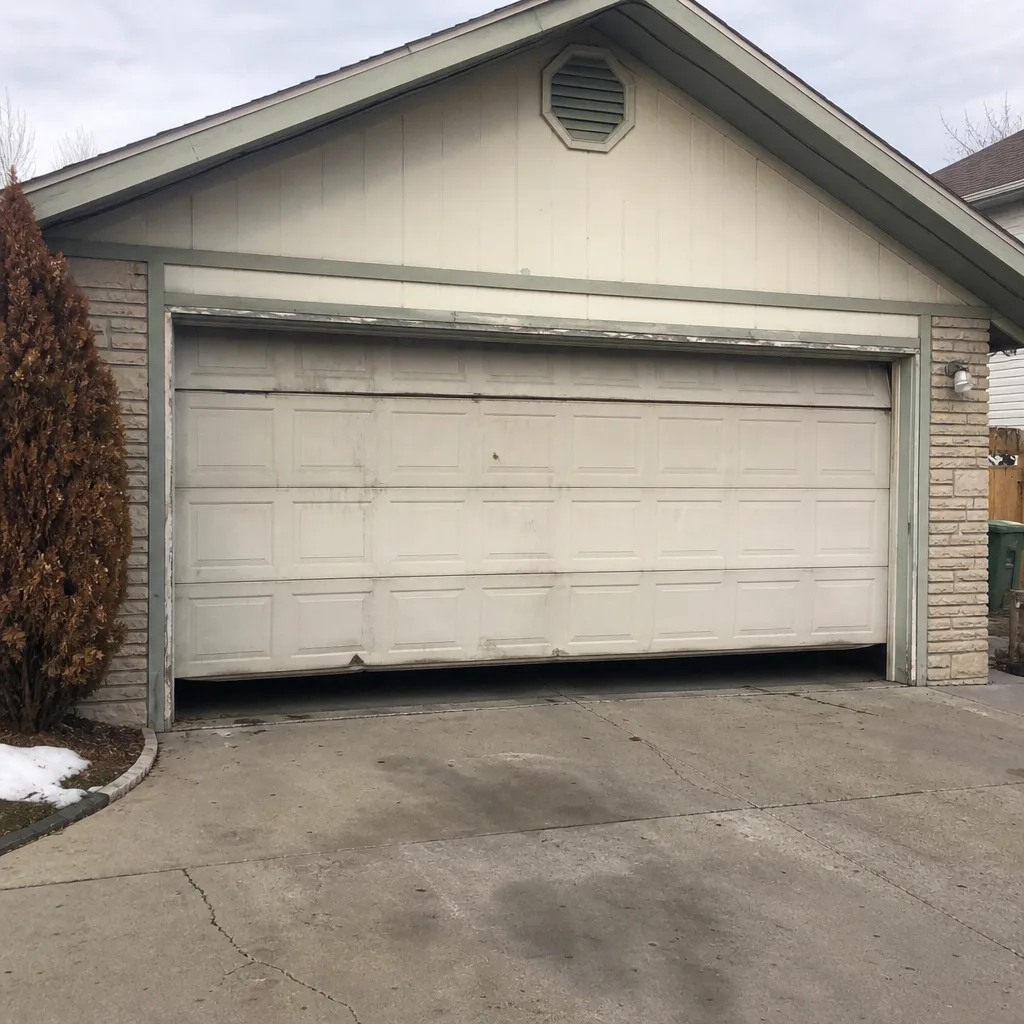 Before
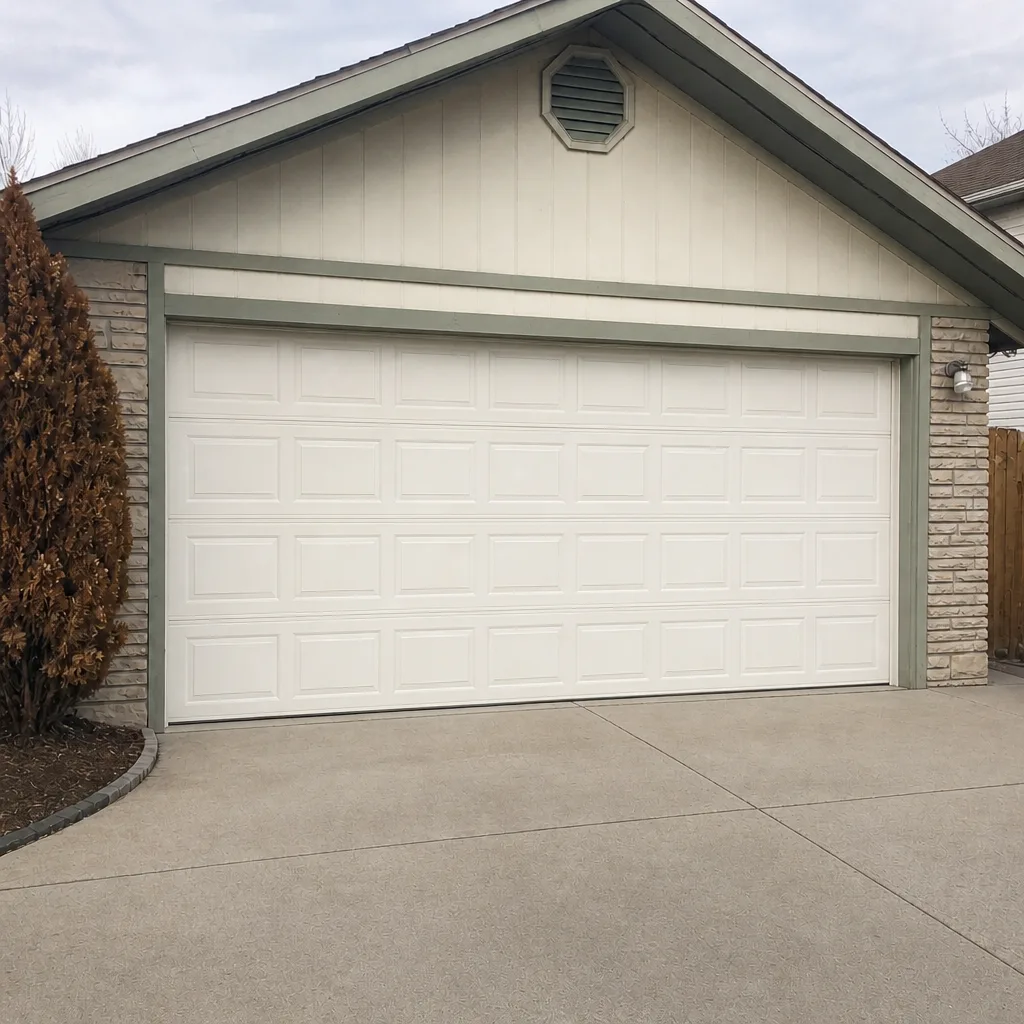 After
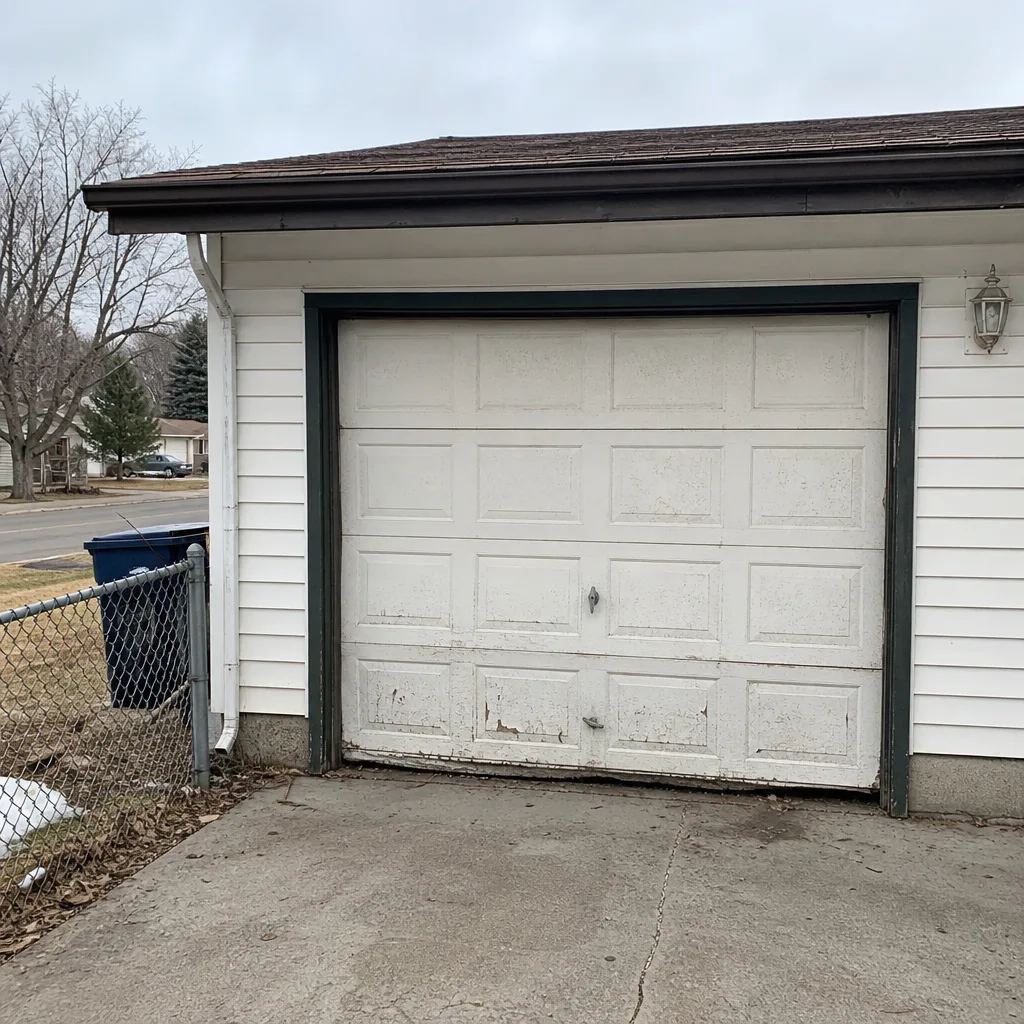 Before
 After
 Before
 After
When to Call a Professional
Some things are maintenance. Others are genuinely dangerous, and a short list belongs in a technician’s hands. Call us if you have:
- A snapped spring (the door feels dead, won’t lift with the opener)
- A cable that’s frayed, kinked, or come off its drum
- A door that reverses or stops halfway through a cycle after a reset
- A grinding or popping noise that’s new and consistent
- A door that’s visibly off-level – one side higher than the other
- Any sign the opener is straining while the door itself is fine
Our technicians have up to experience across the major brands (LiftMaster, Chamberlain, Genie, Clopay, Amarr, Wayne Dalton, Craftsman, and Raynor), so we diagnose the actual system in front of us rather than guessing. Cypress Garage Door Service offers free estimates in Salt Lake City – call (866) 389-4585.
Frequently Asked Questions
Once a year for a full professional tune-up, plus a five-minute self-check every month. In Salt Lake City, the annual tune-up is best scheduled in October, before the first freeze, so the spring hardware is at proper tension heading into the coldest stretch.
You do need to, but only the moving metal parts – rollers, hinges, springs, and pivot points – with the right product for the temperature. Not the track. Not nylon rollers. Done correctly two to three times a year, it’s the cheapest prevention there is. Skip it and parts wear faster.
Silicone-based spray for most moving parts, because it stays fluid from below freezing through summer heat. White lithium is fine for a heavy metal-on-metal contact, but it’s not the every-surface default that many online guides suggest. Avoid WD-40 as a long-term lubricant.
No. Torsion and extension springs are under extreme tension, and adjusting them without training causes serious injuries every year. Measuring and observing them is safe; adjusting them is not. That’s a job for a trained technician.
Watch for a gap opening between coils, rust streaks on the spring, and a door that feels noticeably heavier or that doesn’t hold its balance point when lifted by hand. Any of those is a reason to call. A visual check each month catches most of these before failure.
Not much, but a myQ-compatible LiftMaster or Chamberlain gets one extra monthly step: wipe the photo-eye lenses and re-test the safety reverse. Smart systems are sensitive to dust and heat, and Salt Lake City’s dry summers throw off plenty of both. Otherwise the calendar holds for any brand.
The Bottom Line
A garage door maintenance schedule isn’t a generic “lubricate twice a year.” It’s a calendar built around the freeze-thaw, heat, and winter salt that hit Salt Lake City garages every year. Run the five-minute monthly check, do the heavy inspections in April after thaw and October before freeze, use the right lubricant for the temperature range, and set a simple baseline so you can see wear happening rather than discovering it all at once. That’s the difference between a door that runs for years and a January morning spent trying to get a car out of a stuck garage. For anything that involves springs or cables, stop and call a technician: Cypress Garage Door Service offers free estimates in Salt Lake City. Call (866) 389-4585. We answer 24/7. Fast dispatch from 7am to 7pm, Sunday through Friday. We work on virtually any residential door and opener system you already own, so one call covers the whole system.
Written by the team at Cypress Garage Door Service.