
Last updated November 15, 2026
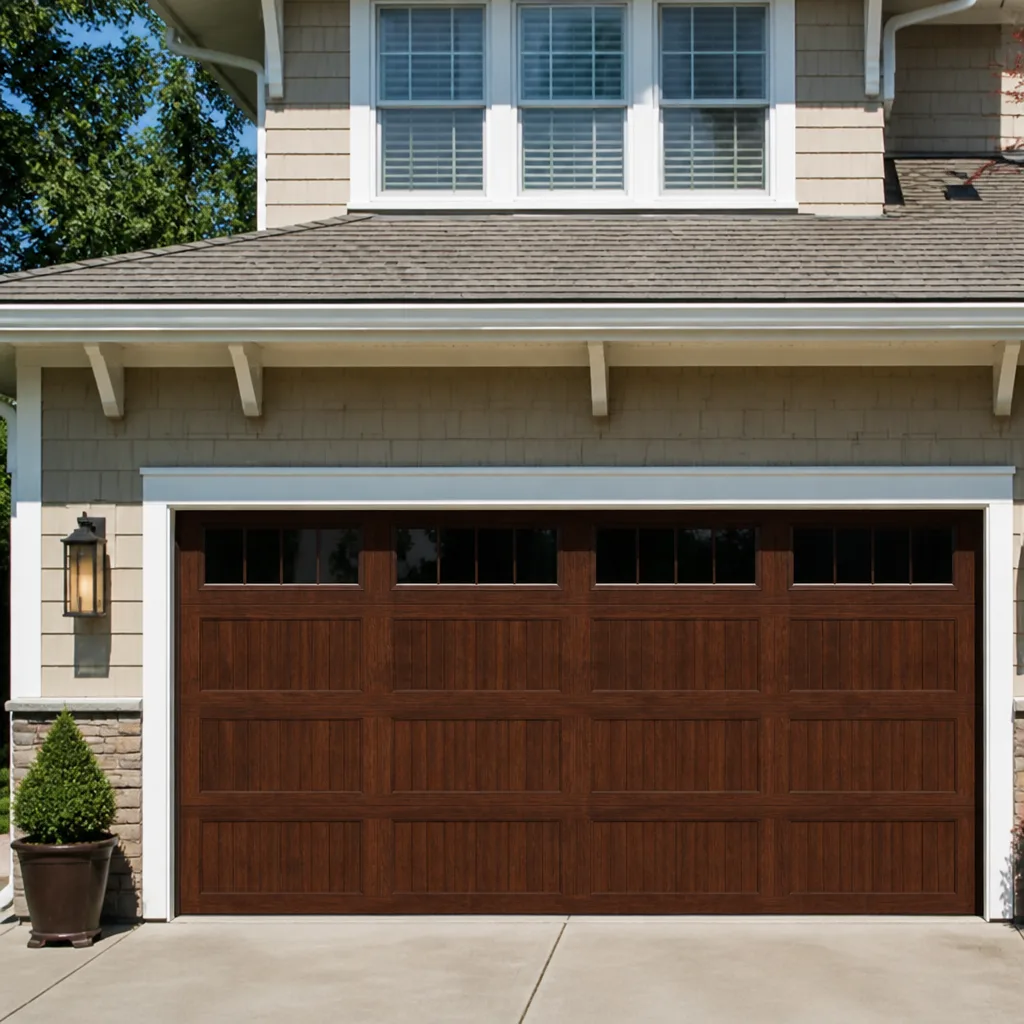
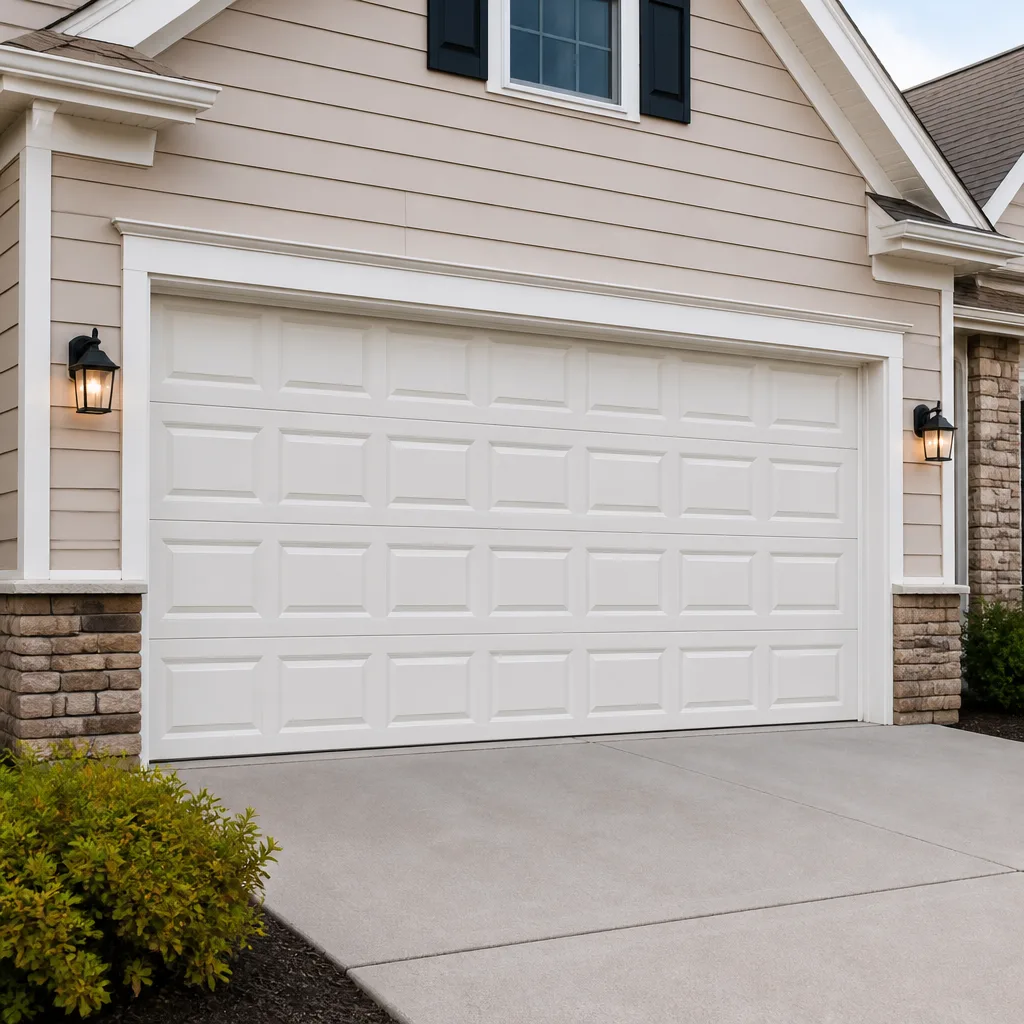 Raised-panel steel
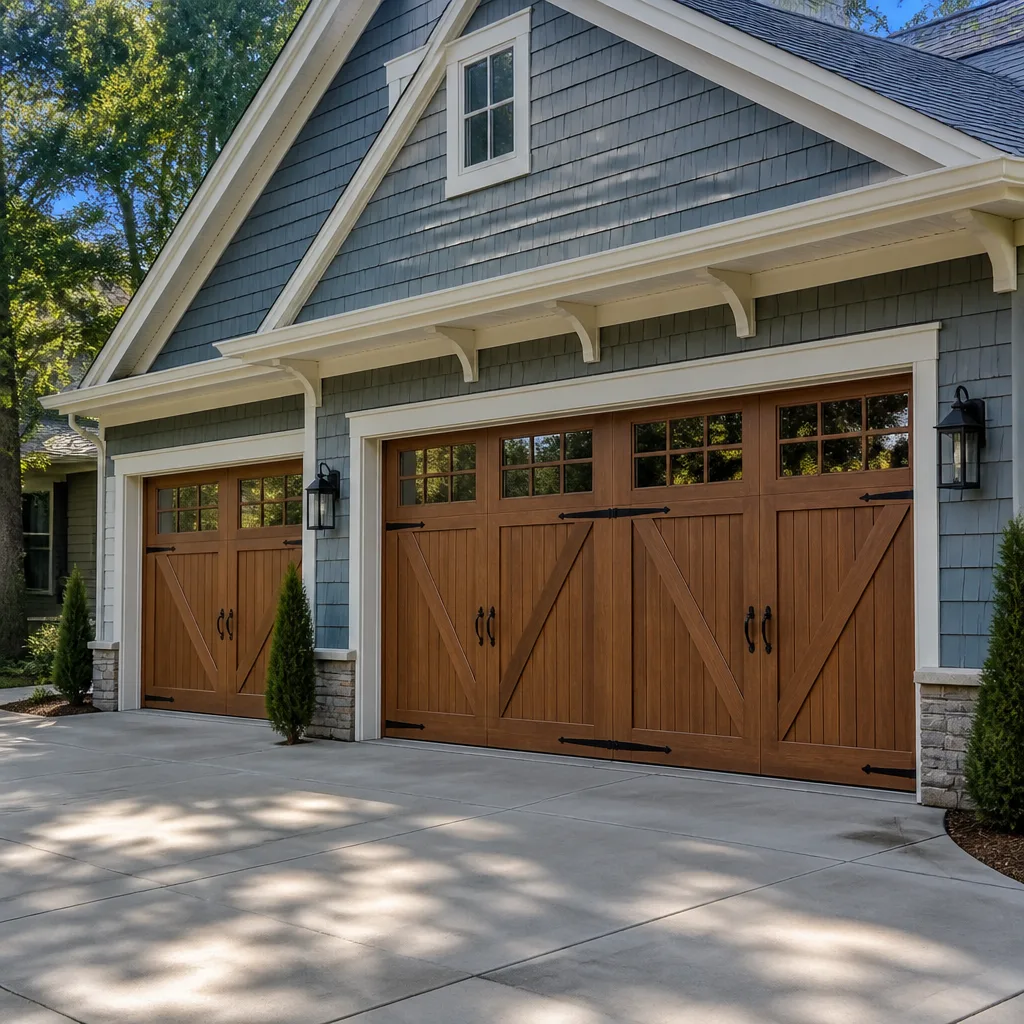 Carriage house
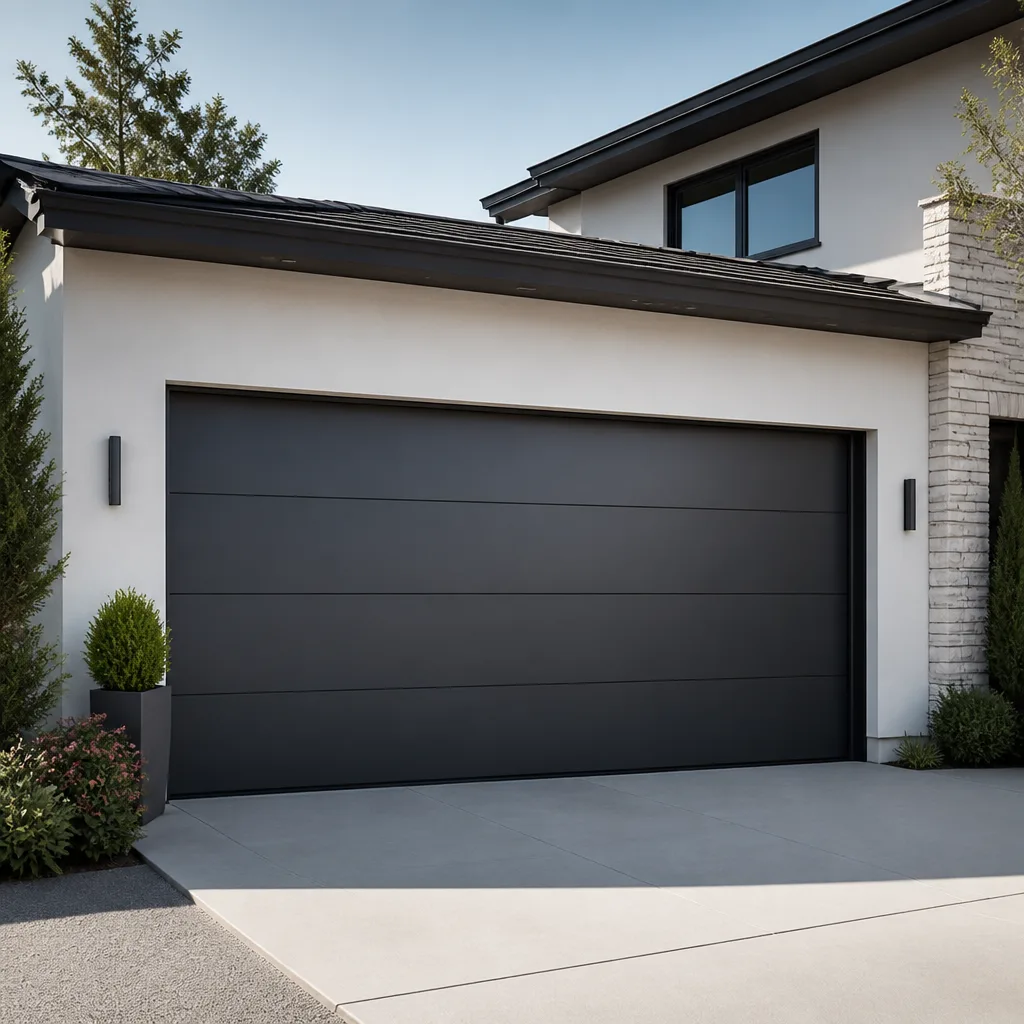 Modern flush
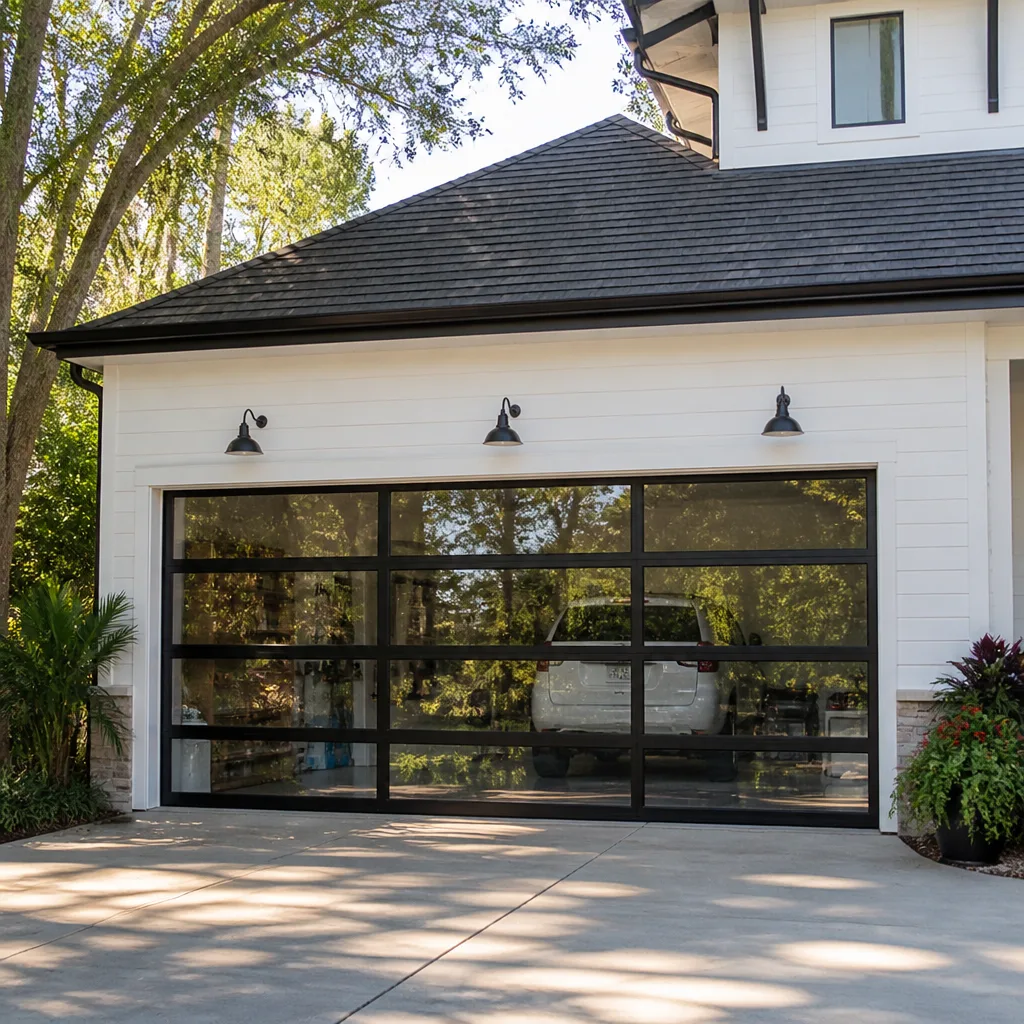 Full-view glass
 LiftMaster openers
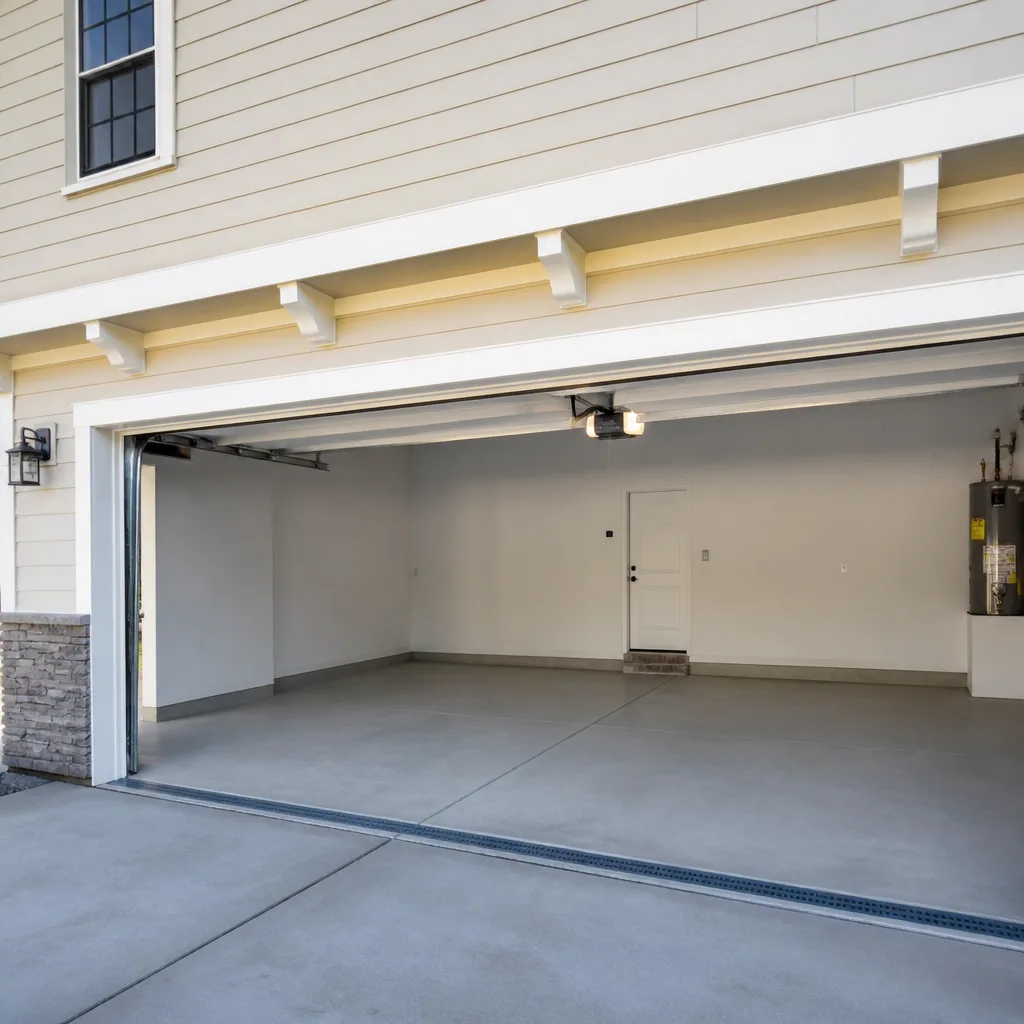 Chamberlain openers
Full 25-point door and opener safety check with every visit - springs, cables, rollers, tracks, and your LiftMaster or Chamberlain opener included
You get a price before we start. It does not change when the pro arrives.
Get your free estimateGarage Door Emergency Preparedness Guide for Salt Lake City Homes
Most homeowners treat their garage door as a convenience, not a lifeline. That’s the first thing we’d change. After a seismic event on the Wasatch Fault, the garage is often the only way out of a house with a jammed front door and a stuck interior passage – and a garage door that won’t open turns that exit into a wall. We’ve worked on doors across Salt Lake City long enough to know that the difference between a door that opens under stress and one that doesn’t comes down to a few minutes of preparation you do now. This guide covers how to operate the manual release correctly, what to inspect before you touch anything after a quake, which battery backup openers actually hold up, how to secure a door that won’t close, and how attached garages in Salt Lake City’s housing stock behave differently from detached ones.
Quick Answer
After an emergency in Salt Lake City, do not operate your garage door until you’ve checked the frame, header and spring anchor for movement – if anything is out of line, stop and call a professional. If the frame looks intact and you only need to get the door open, pull the manual release cord straight down once and lift the door by hand, letting the carriage fully release before you pull. Keep a battery backup opener charged and a manual release you’ve actually practiced, because a door you can open in the dark is the difference between an exit and a trap.
Styles & brands we work with
- Raised-panel steel
- Carriage house
- Modern flush
- Full-view glass
- LiftMaster openers
- Chamberlain openers
Table of Contents
- How to Use the Manual Release Cord Correctly
- What to Inspect Before Operating Your Door After a Quake
- Battery Backup Openers: What Actually Works After a Grid Outage
- How to Secure a Door That Won’t Close – Without Tools
- Wasatch Fault Scenarios: Attached vs. Detached Garages in Salt Lake City
- Running a Household Garage Door Drill
- Hardware That Holds Up in Salt Lake City’s Temperature Swings
- Common Mistakes to Avoid
- When to Call a Professional
- Frequently Asked Questions
How to Use the Manual Release Cord Correctly
The manual release cord is the single most misunderstood piece of hardware on a residential garage door. In an emergency, it’s also the most important. The cord hangs from the trolley carriage that rides the rail, and pulling it separates the carriage from the door so you can lift the door by hand. The catch – and it’s a real one – is that most homeowners pull it wrong, and the mistake re-engages the carriage mid-lift, jamming the door halfway up and stranding it there.
The correct procedure is simple once you’ve practiced it:
- Stand clear of the door’s path and confirm nothing is underneath it.
- Pull the release cord straight down, firmly, once. Don’t yank it repeatedly – one clean pull disengages the carriage.
- Grip the bottom section handle (not the panel edge) and lift the door by hand in one steady motion, all the way up until it locks in the open position.
- Do not touch the cord again while the door is traveling. Let the door reach the top and settle before you move on.
The mistake that jams doors is pulling the cord, then bumping the opener button or the garage door remote in your pocket. That re-engages the carriage, the opener motor tries to lift a disconnected door, and you get a hard stop mid-travel. In our experience in Salt Lake City, this is the most common reason a homeowner calls us after a power outage – the door isn’t broken, it’s just mis-released. For the full range of issues a jammed or stuck door can have, see our garage door repair page.
Physically practice this in daylight before you ever need it. Walk out to your garage, pull the cord, lift the door by hand, close it, re-engage the carriage by lowering the door until the trolley snaps back in. Do it once a year. Under stress, in the dark, that muscle memory is worth more than any checklist on a phone.
What to Inspect Before Operating Your Door After a Quake
Here’s the hard truth most emergency guides won’t tell you: if a significant seismic event has just moved your house, the first thing you should NOT do is press the opener button or pull the manual release and start lifting. A garage door is a heavy spring-loaded structure, and a frame that has shifted by an inch can turn into a bound door that snaps cables or drops panels. Before you touch anything mechanical, look at the structure first.
Walk around the interior of the garage and check these six things:
- Frame racking. Look at the vertical tracks on both sides. If they’re out of parallel, twisted, or visibly bowed, the wall has moved. Don’t operate the door.
- Header shift. The heavy beam across the top of the opening should be straight and tight against the wall. A gap, a sag, or a crack running into the wall above it means the load path has changed.
- Spring anchor point. The springs in the center of the door above the opening are under enormous tension. If the anchor plate is bent, has pulled away from the wall, or the springs are visibly kinked, treat the door as live and don’t disturb it.
- Cables. Look for cable off a drum or visibly slack. Stay back – released cables can be lethal.
- Panel alignment. Doors that have shifted off their hinges or that show cracked panels need a professional before any movement.
- Trolley and rail. If the opener rail has separated from the ceiling mounts or the trolley is jammed at an angle, don’t force it.
If any of those are wrong, call us – the springs and cables on a damaged door can hurt or kill someone, and even an experienced technician would stop and secure the structure first. If the frame and header look straight, no cables are off, and the panels are aligned, then the manual release procedure in the previous section is safe. For more on spring hazards specifically, our garage door opener repair team can walk you through what’s safe to touch.
Battery Backup Openers: What Actually Works After a Grid Outage
Battery backup in a garage door opener is one of those features that sounds great in the showroom and only earns its place when your power grid is down and you’re trying to evacuate or check on a neighbor. We install and service battery backup units across Salt Lake City, and the honest answer is that not all of them behave the same in a real outage, especially in cold temperatures.
The good news is that current-generation smart openers from LiftMaster and Chamberlain (the myQ-compatible units) ship with battery backup as a standard or easily added feature, and they’re designed to cycle the door for a limited number of open/close cycles after grid loss. Legacy openers from Craftsmans and older Genie units typically do not have backup unless the homeowner added it, so if you’ve got an older unit, assume you’re on manual.
What to know before you rely on battery backup in Salt Lake City’s cold:
- Cold drains batteries. An unheated garage in January is harder on the backup battery than the same unit in a 70-degree room. If your garage gets below freezing, plan on shorter runtime, not the full rated cycles.
- The cycle count is for light use. Expect enough cycles to open and close the door several times, not to run it all day. Treat it as an exit mechanism, not a convenience.
- Test the backup quarterly. Pull the safety disconnect from the wall (or flip the breaker) and cycle the door once on backup. If it barely moves or won’t complete a cycle, the battery needs replacing before you need it.
- Battery age matters. Backup batteries are consumables. Plan on replacing them on a regular cadence, not leaving the original in place indefinitely.
If you’re not sure whether your opener has backup or how much runtime you’d actually get, we can look at it. We’re trained on LiftMaster, Chamberlain, Genie, and Craftsman service, along with Clopay, Amarr, Wayne Dalton, and Raynor doors, so we can tell you exactly what your system will do in an outage.
How to Secure a Door That Won’t Close – Without Tools
If your door is stuck open after an emergency and won’t close, the goal shifts from “get the car out” to “secure the house.” Most preparedness guides skip this step entirely, but in a post-event scenario in Salt Lake City, a garage door stuck open overnight is a real exposure – to weather, to opportunistic theft, and to whatever the wind is blowing in.
You can secure a door without tools using what’s already in the garage:
- Lower it manually to the closed position. With the carriage disengaged, pull the door down slowly and let it rest fully closed.
- Engage the slide bolt or manual lock if your door has one – many Clopay, Amarr, and Wayne Dalton residential doors do, and it’s on the inside face near the bottom.
- If there’s no lock, use a C-clamp if you have one on the vertical track just above a roller. That single clamp physically blocks the door from rising. If you don’t have a C-clamp, a length of 2×4 wedged under the bottom panel and braced against the floor does the same job.
- If the door is stuck open and won’t lower because of a spring or cable failure, don’t force it. Rope the bottom panel back to the wall with whatever cord you have and call us – a door in that state can drop suddenly.
A note on garages that face the street in Salt Lake City neighborhoods: a visibly open garage after an event is the most obvious signal that a house is empty or disrupted. Securing the door in the first hour is worth more than a security system you can’t reach. Call us if the door won’t close, and we’ll help you figure out what the safe temporary fix is – our number is (866) 389-4585. We answer 24/7, and we can arrange fast dispatch from 7am to 7pm, Sunday through Friday.
Wasatch Fault Scenarios: Attached vs. Detached Garages in Salt Lake City
Salt Lake City sits on the Wasatch Fault, one of the most hazardous urban fault systems in the United States. That’s not a scare tactic – it’s why we take garage door preparedness seriously here. The Wasatch Front scenario that emergency planners work from involves strong ground shaking that affects soil, foundations, and the way a house moves on its footings. And the housing stock in Salt Lake City is a mix of attached, semi-attached, and detached garages, and those three types of garage behave very differently in a quake.
Attached garages in Salt Lake City’s mid-century and newer neighborhoods are structurally tied to the house. What that means in a seismic event is that the garage and the house move together – but the garage, with its wide door opening, is a weak wall. When the house racks, the garage header and the wall above it take the load. The most common failure pattern we’ve seen in the trade after strong shaking is header shift at the door opening and, in older attached garages, the door’s vertical tracks pulling out of alignment with the studs. If your attached garage shares a wall with a bedroom above it, that’s a room to check second after you’ve confirmed the door and frame are stable.
Detached garages in Salt Lake City’s older neighborhoods – including parts of the Avenues, Sugar House, and the older parts of Rose Park – are typically their own structure on their own footings. In a quake they rock independently of the house. That can mean the door frame shifts on the garage even when the house is fine, and it can mean the roof-to-wall connections and the door header take a bigger hit than you’d expect from a building that looks “just a garage.” Detached garages are also less likely to have been retrofitted, which puts more stress on the door itself.
Semi-attached garages (shared wall with a neighbor) split the difference: they tend to be more forgiving than fully tied garages but less independent than detached. The door preparedness advice is the same in all three cases – check frame, header, spring anchor before you operate anything – but the sequence matters more in attached garages, where a structural problem in the garage may mean a structural problem in the house.
If you’re not sure what you’re looking at, don’t guess. A trained eye can spot the difference between a cosmetic gap and a racked frame in a minute. Our technicians have up to experience with Salt Lake City housing, and we’re happy to look at a door and frame for you with no pressure. For an overview of what we do for the Salt Lake City area, start there.
Running a Household Garage Door Drill
Preparedness is a rehearsed skill, not a piece of knowledge. If your household has never actually operated the manual release, the first time will be under stress, in the dark, with a possibly injured family member in the car. Running a real drill once a year fixes that. The whole thing takes about 20 minutes.
- Pick a day and announce it. Treat it like a fire drill. Everyone old enough to drive should know where the release cord is and how it works.
- Disengage the opener from the wall. Pull the plug or flip the breaker so the opener is genuinely off. You want to test the household, not the motor.
- Each driver pulls the release cord and lifts the door by hand. One clean pull, one steady lift, all the way up. Then close it and re-engage. Do it twice.
- Practice in the dark. Turn off the garage lights for the second run. In a real event, power may be out. If operating by feel is disorienting, that’s the point – you want to find the disorientation now, not later.
- Locate the manual lock or C-clamp and rehearse securing the door closed. Time it. If it takes more than a minute, figure out a steadier method.
- Test your battery backup if you have one. Unplug the opener and cycle it once.
- Agree on a meeting spot outside the house and confirm the garage exit is the primary exit for drivers.
Do this once a year, and again after any significant work on the door or opener. For the full lifecycle – repair, opener service, or a new install – our Cypress Garage Door Service team covers it all under one roof so you’re not hunting for a second company when something changes.
Hardware That Holds Up in Salt Lake City’s Temperature Swings
Salt Lake City sits in a high desert valley with real winter cold, hot dry summers, and a swing between them that’s hard on garage door hardware. It’s not a coastal problem – there’s no salt air here, and it’s not a hail problem either. The local stress is temperature and dryness: a door that contracts at 15 degrees and expands at 95 degrees, hundreds of times a year, will wear certain parts faster than the same door in a milder climate.
What holds up and what to watch:
- Torsion springs (the ones above the door in the center) are the standard for a reason – they cycle more reliably than extension springs and are easier to inspect for the kind of cold-weather fatigue that shows up in a Salt Lake City January. Never touch them yourself; the tension will hurt you.
- Nylon rollers run quieter and last longer than steel rollers, and they handle the cold better. If you hear a door that’s suddenly grinding in the winter, the rollers are a common culprit.
- Insulated doors hold up better to temperature swings and also keep an attached garage warmer, which protects the opener and battery backup from the cold.
- Smart openers with myQ (LiftMaster and Chamberlain) are the current standard and worth the upgrade if you’re replacing an aging unit – the phone alerts and remote operation are genuinely useful, and the battery backup integration is cleaner than aftermarket kits.
- Older openers (many of the legacy Craftsman and Genie units still working in Salt Lake City garages) will keep running for a long time but don’t warn you before they fail. If you’re relying on one for emergency exit, plan to replace it before you need to.
One thing local homeowners ask us all the time: should they swap a legacy unit for a smart opener? The honest answer is yes if the opener is your emergency exit and it doesn’t have backup. We work across all eight major brands, which means we’re not going to push a single manufacturer on you. We’ll tell you what fits your door, budget, and usage. For full installs, we’ll measure the opening, order what’s right, and set a written price before we start – no surprise numbers.
Common Mistakes to Avoid
- Pulling the release cord before the opener is disengaged from power. If the opener wakes up mid-lift, it re-engages the carriage and jams the door. Unplug the opener first, then release.
- Operating a door after a quake without checking the frame and header. A single lift on a racked frame can drop a panel or snap a cable. Inspect first, lift second.
- Assuming the opener is fine because the lights come on. Lights don’t prove travel, and they don’t prove the springs are intact. Test the door by hand once a year with the opener disengaged.
- Leaving an unknown or older opener on the wall as the emergency exit with no backup. Legacy Craftsmans and older Genie units often work right up until they don’t, usually on the worst day. Have a plan for replacement before you need it.
- Securing a stuck-open door with nothing at all. A visible open garage in a Salt Lake City neighborhood after an event is the clearest sign the house is empty. A C-clamp on the track or a slide bolt is five seconds of work.
- Storing the manual release cord behind a bike, ladder, or shelf. The cord needs to be reachable in the dark, by feel. Test that you can find it without turning on the lights.
- Never rehearsing the manual release as a household. Knowing it exists and having done it are different skills. The person who’s actually driving out in an emergency should have pulled the cord themselves.
When to Call a Professional
Some things you can handle. Spring and cable work isn’t one of them – not as a DIY project, and not as a “quick check” after a quake. Call us if the frame looks racked, the header has shifted, the spring anchor has pulled out, a cable is off the drum, the door won’t close and you’ve got a stuck-open house, or the opener won’t respond after a power outage and you’ve already checked the backup. Also call us if your door has never been professionally serviced and your household is relying on it as an emergency exit – an inspection tells you what’s actually there before it matters. Cypress Garage Door Service offers free estimates in Salt Lake City – call (866) 389-4585. We answer 24/7. Fast dispatch from 7am to 7pm, Sunday through Friday. We’re closed on Saturday, and a call placed outside dispatch hours is booked into the next opening, Sunday through Friday, 7am to 7pm.
Frequently Asked Questions
Pull the manual release cord straight down once, firmly, then lift the door by hand from the bottom section handle until it locks in the open position. Don’t touch the cord again or press the opener button while the door is traveling – that re-engages the carriage and jams the door. Call (866) 389-4585 if you’re not sure your door will release cleanly – estimates are free.
Only after you’ve checked that the frame, header, and spring anchor are straight and undamaged. If the door is off its tracks, the header has shifted, or you see cable damage or kinked springs, don’t touch it and call a professional. In Salt Lake City, the Wasatch Fault makes this a real concern – when in doubt, call us at (866) 389-4585 for a free assessment.
Newer LiftMaster and Chamberlain myQ-compatible units often do, while many legacy Craftsmans and older Genie openers don’t. The only way to know is to test it – unplug the opener and see if the door cycles on battery. Call (866) 389-4585 if you want us to check and quote a backup option – estimates are free.
Lower it manually to the closed position, then engage the slide bolt if the door has one, or clamp the vertical track above a roller with a C-clamp, or wedge a 2×4 under the bottom panel. Never force a door that won’t lower because of a spring or cable problem. Call (866) 389-4585 – we answer 24/7 and can dispatch fast from 7am to 7pm, Sunday through Friday.
The carriage re-engages when the opener motor runs while the door is disengaged – usually because the remote in your pocket or a wall button gets bumped during the lift. Disengage the opener from power before pulling the cord, and don’t touch any opener button until the door is fully released. Call (866) 389-4585 if the door is stuck mid-travel.
Yes, our technicians are licensed and insured, and they have up to experience on the systems we service. We’re trained across all eight major brands – LiftMaster, Chamberlain, Genie, Clopay, Amarr, Wayne Dalton, Craftsman, and Raynor – so we diagnose the door you actually have. Call (866) 389-4585 for a free estimate.
The Bottom Line
Your garage door is an exit, and after a seismic event on the Wasatch Fault it may be the exit. The preparation that matters is simple and takes an afternoon: know where the release cord is and how to pull it cleanly, understand that a racked frame means stop, keep a battery backup you’ve actually tested, know how to clamp the door closed with no tools, and understand that attached garages in Salt Lake City behave differently from detached ones in a quake. Run the drill once a year with the whole household. And when something looks wrong – a shifted header, a kinked spring, a door that won’t lower – call a professional instead of experimenting. That’s what we’re here for.
Written by the team at Cypress Garage Door Service.
See the difference
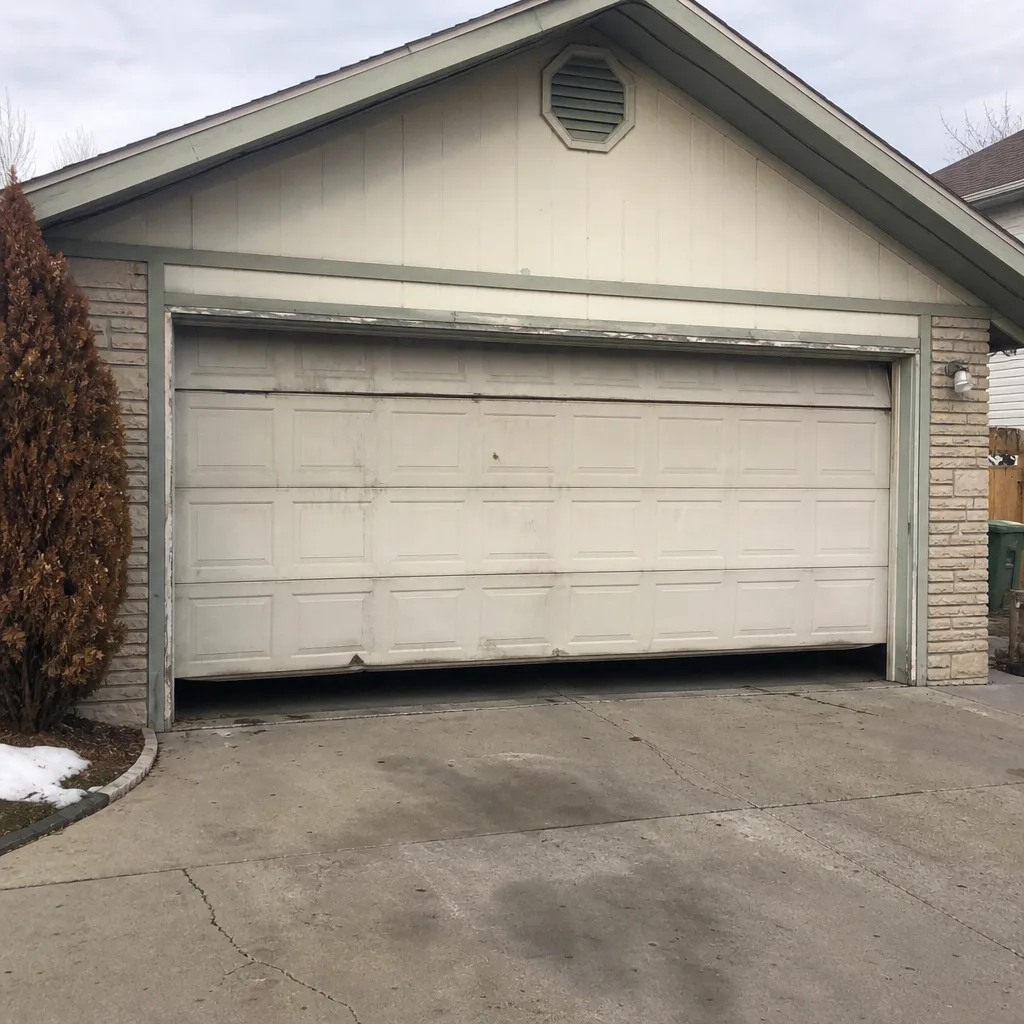 Before
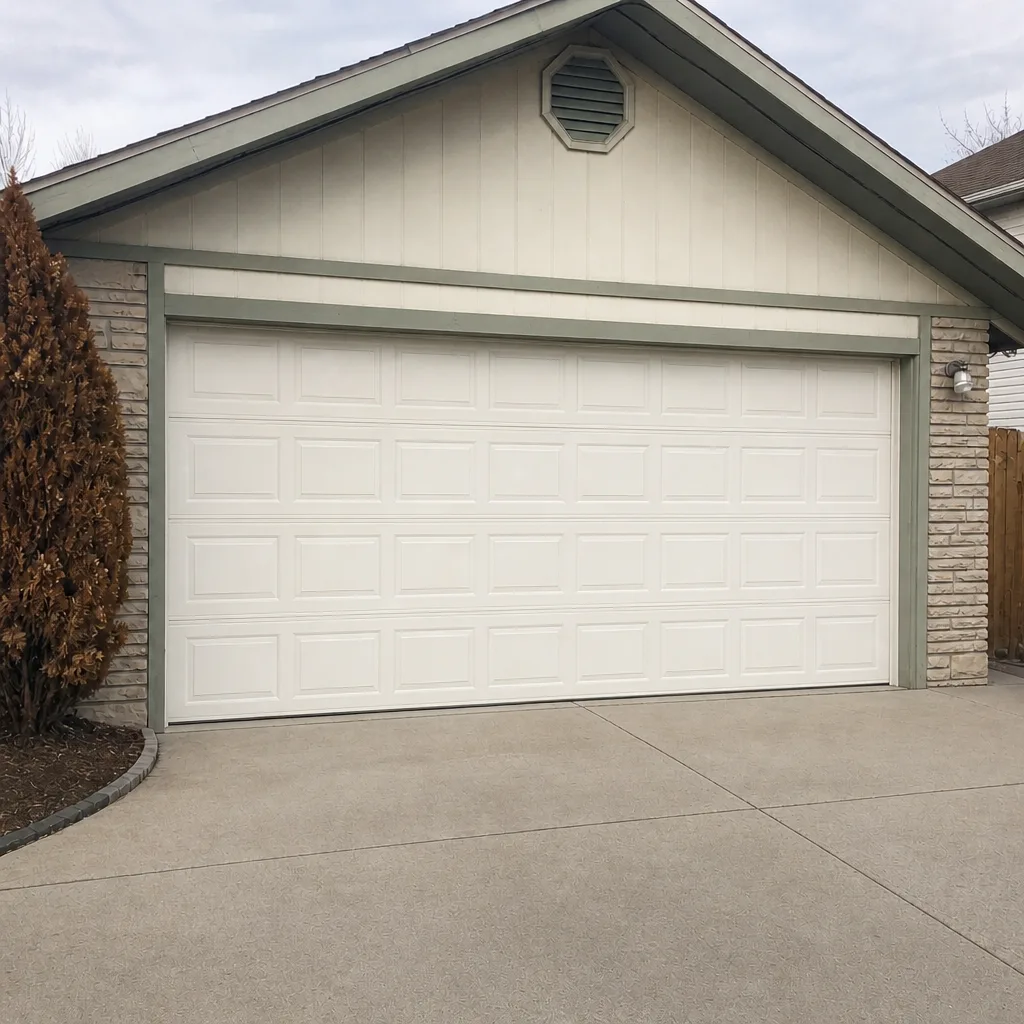 After
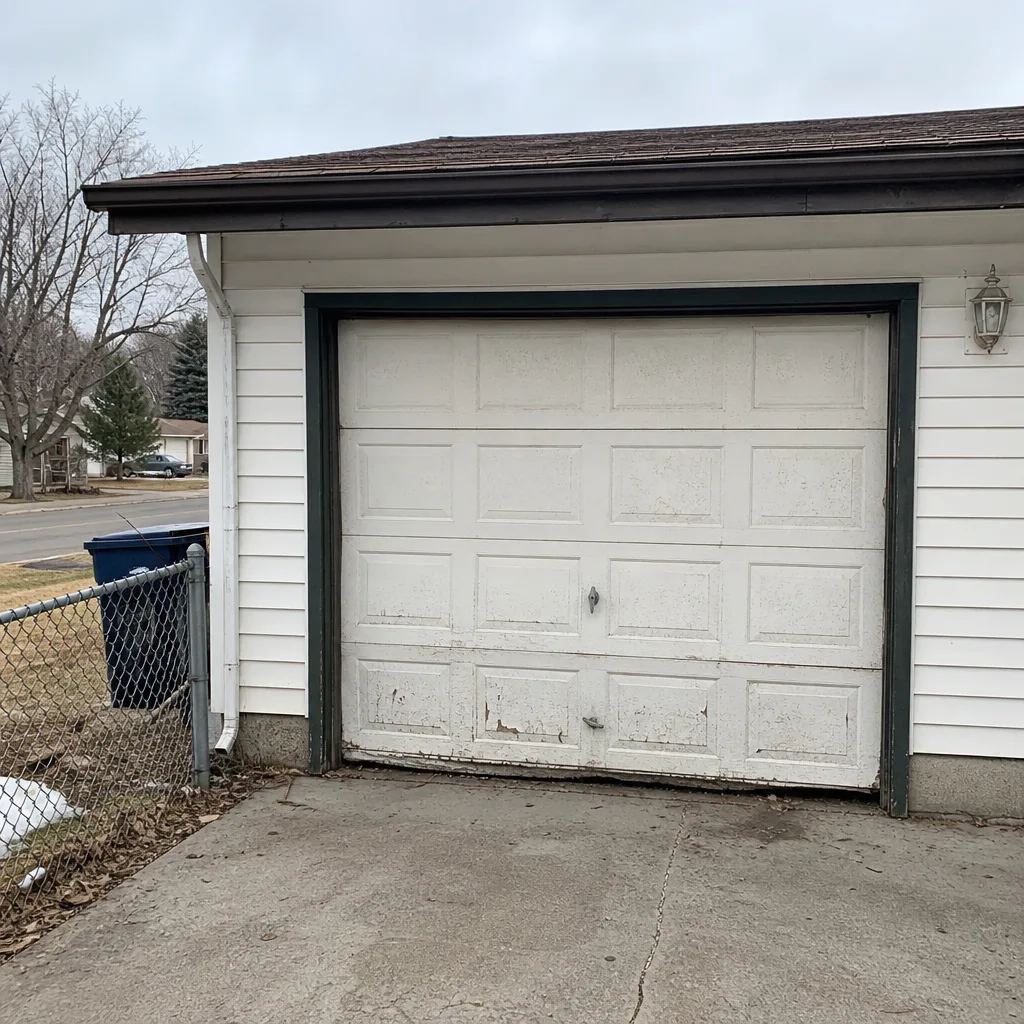 Before
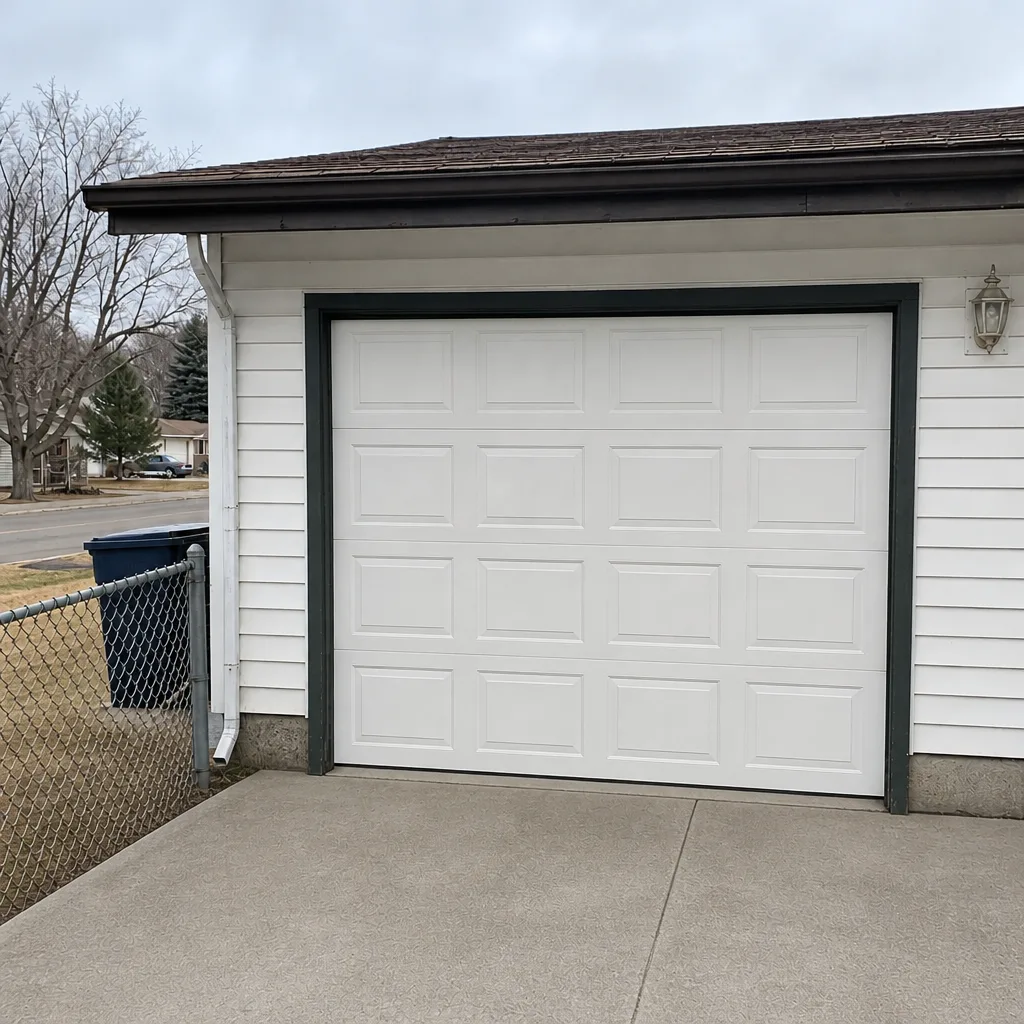 After
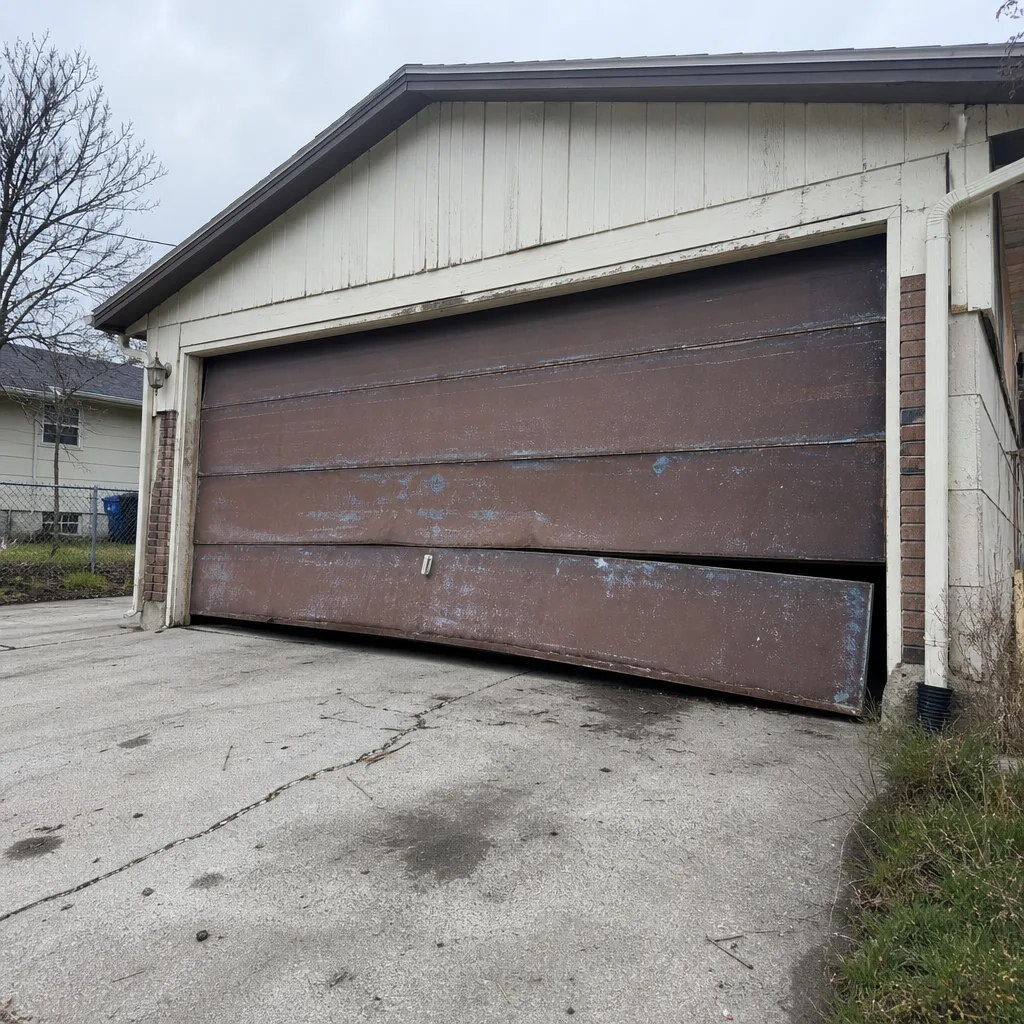 Before
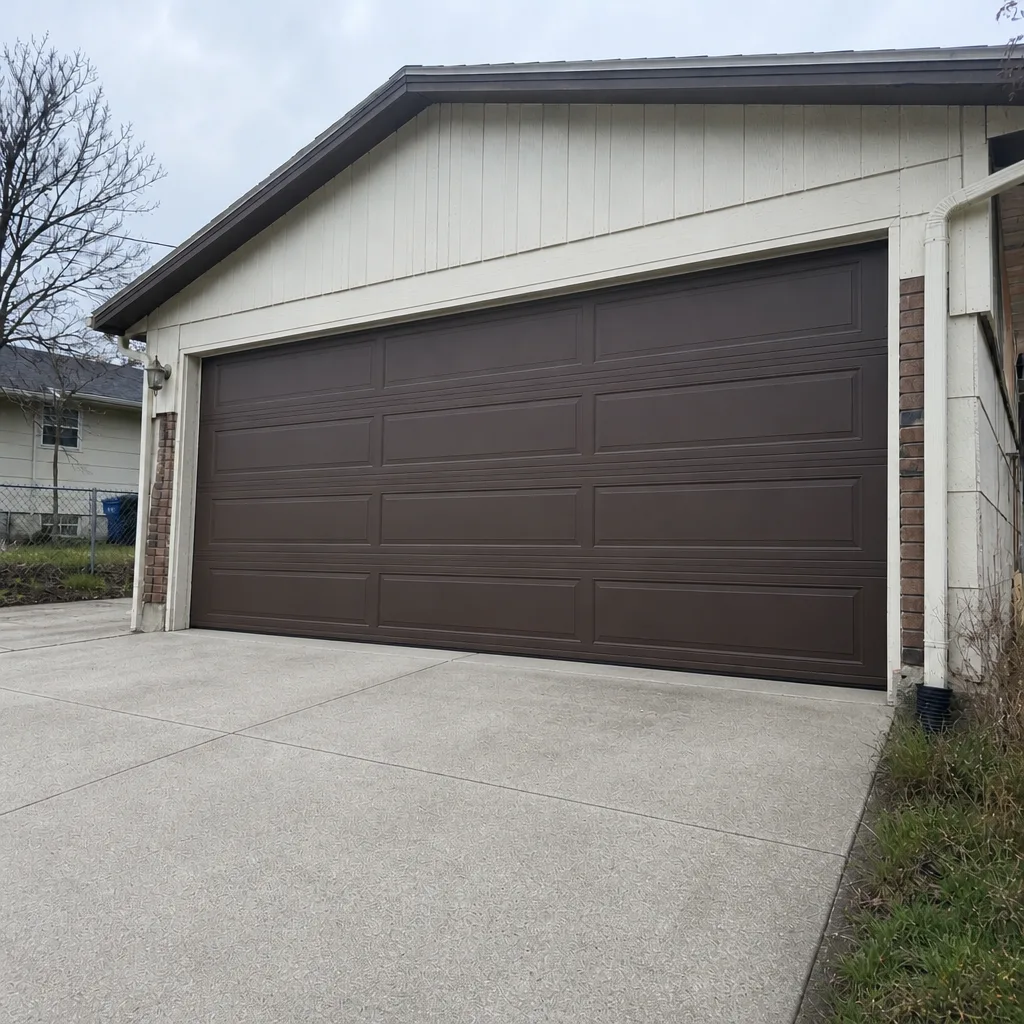 After