
Last updated November 15, 2026
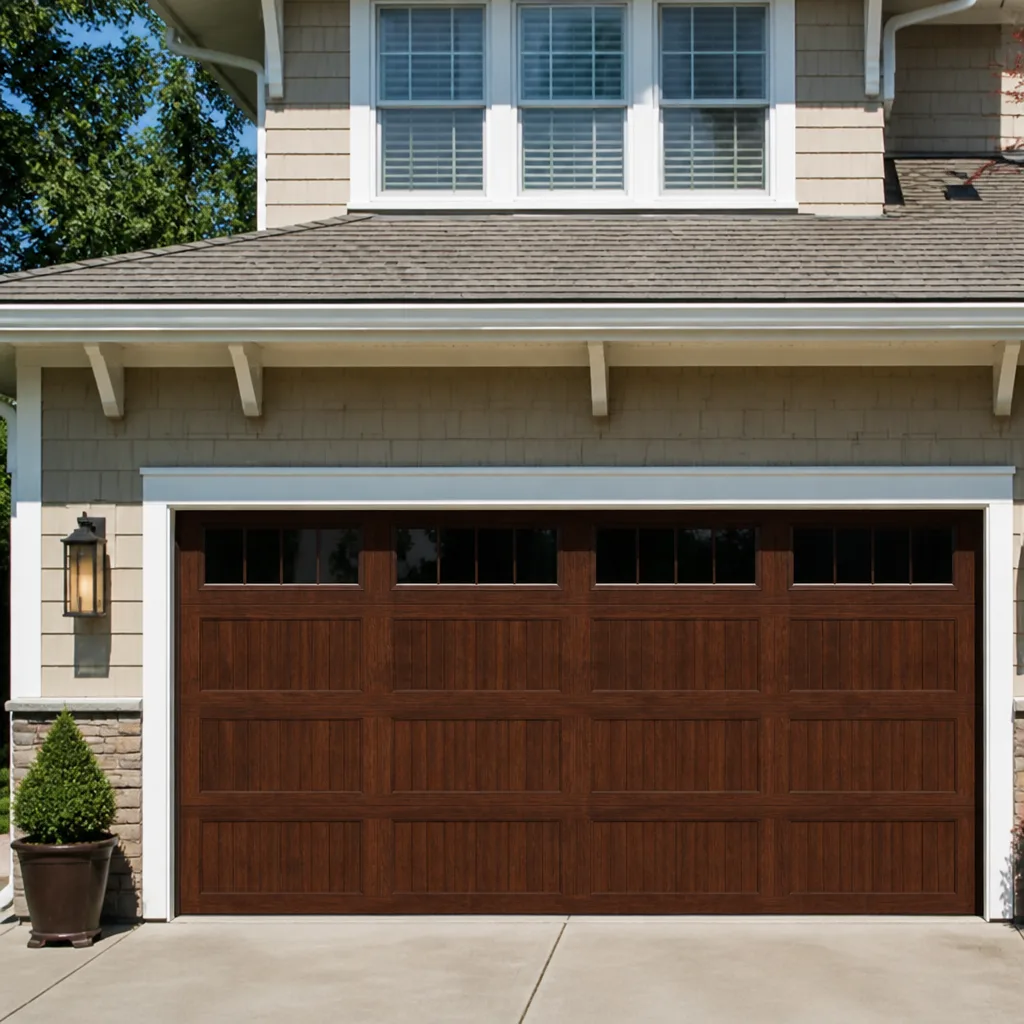
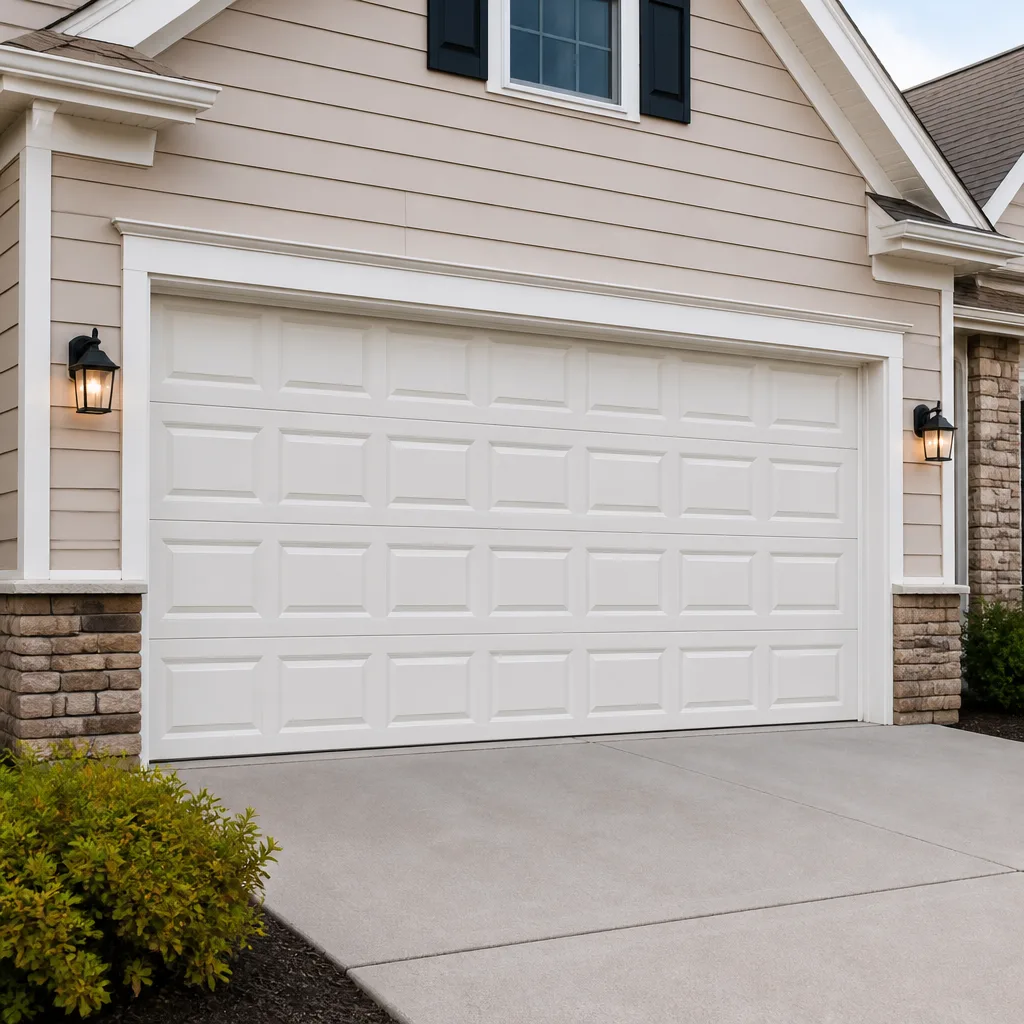 Raised-panel steel
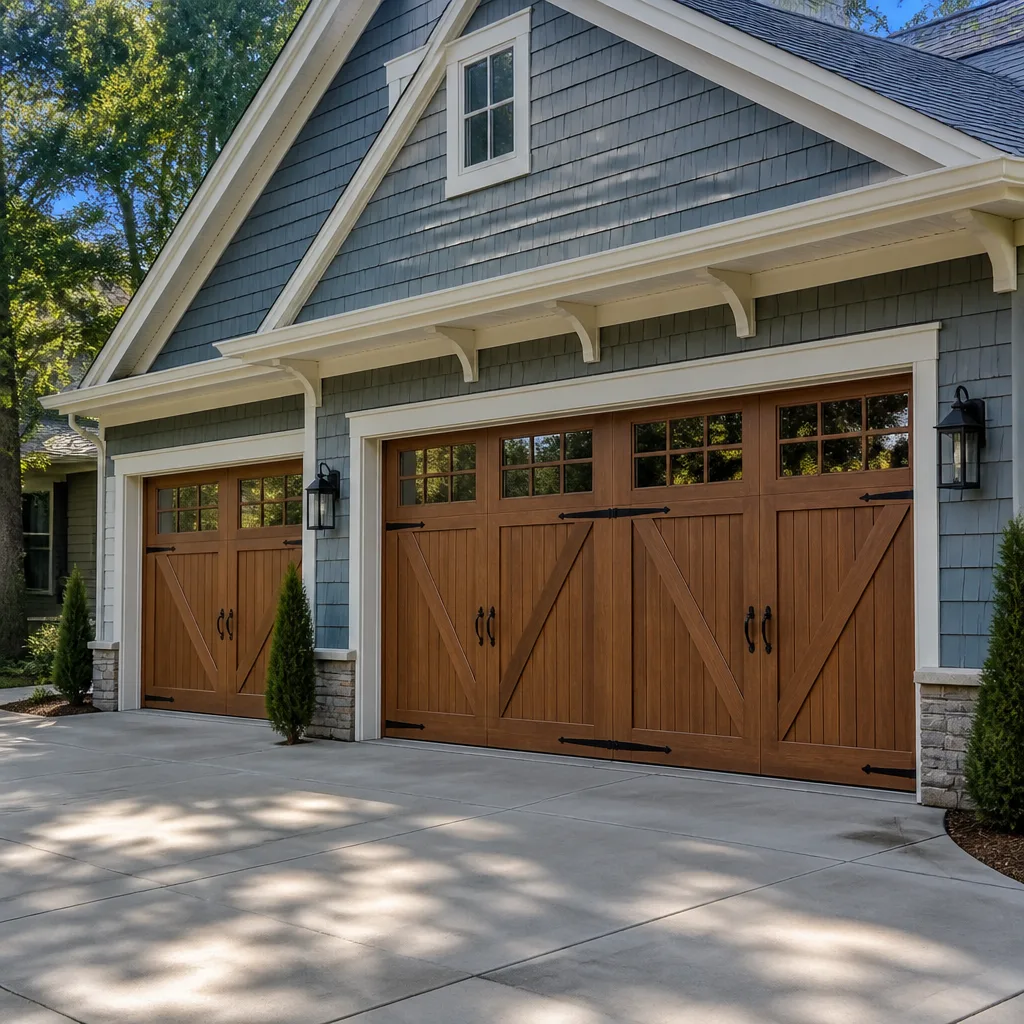 Carriage house
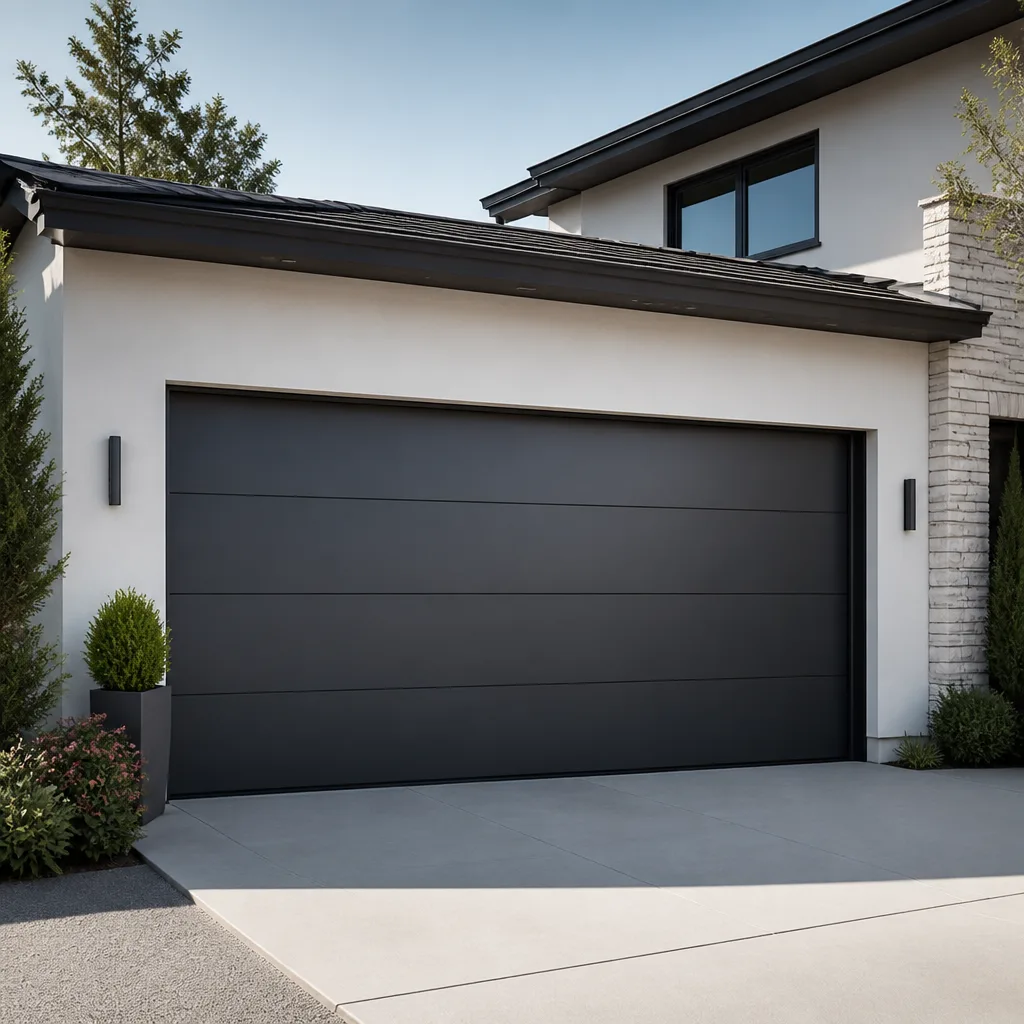 Modern flush
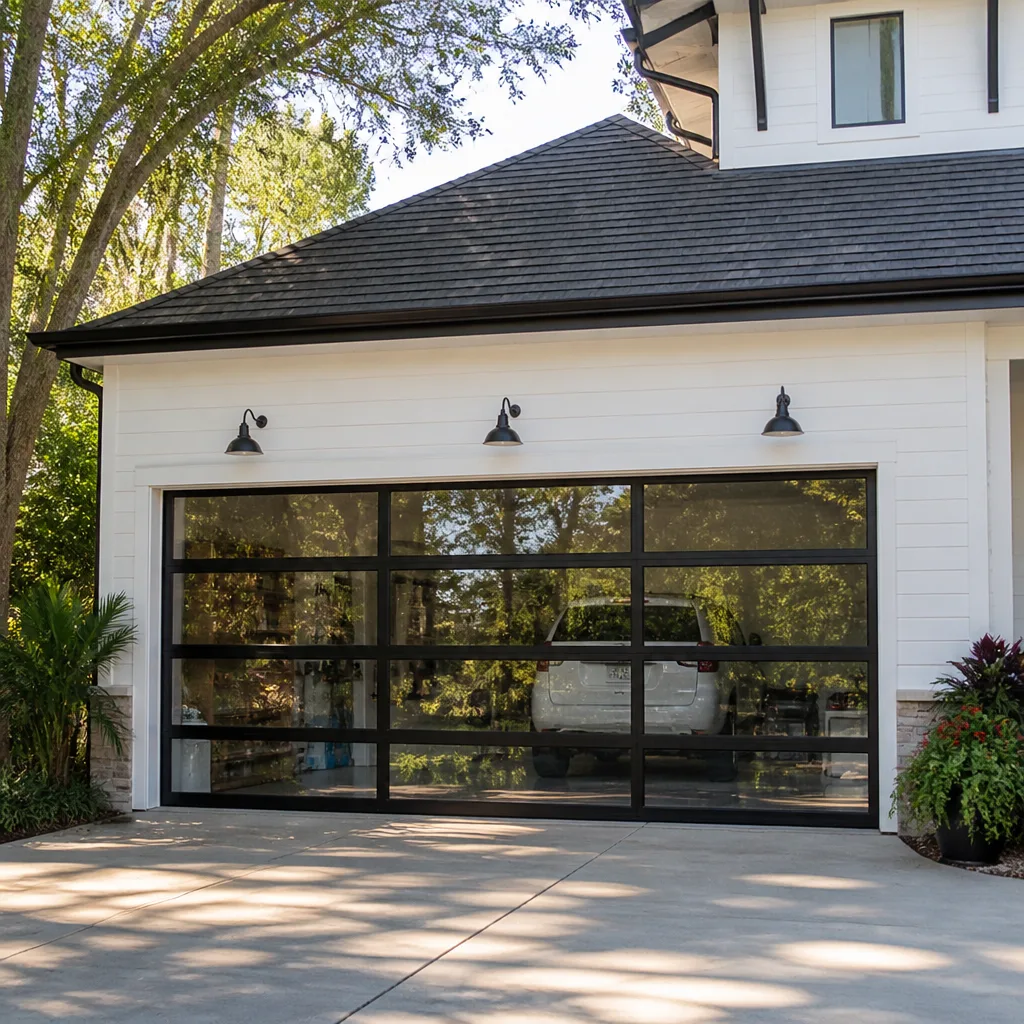 Full-view glass
 LiftMaster openers
 Chamberlain openers
Full 25-point door and opener safety check with every visit - springs, cables, rollers, tracks, and your LiftMaster or Chamberlain opener included
You get a price before we start. It does not change when the pro arrives.
Get your free estimateDIY vs Professional Garage Door: The Salt Lake City Homeowner’s Decision Guide
Most advice about garage door repair splits the world in two: call a pro for everything, or grab a ladder and figure it out. Neither is honest. A torsion spring under tension stores enough energy to cause serious injury when it lets go, and that’s physics, not a sales script. But replacing a bottom weatherseal, lubricating rollers, or reprogramming a Chamberlain opener are genuinely safe jobs that plenty of homeowners are talked out of for no good reason. This guide sorts garage door work into what you can safely do, what carries caveats, and what belongs to a trained technician, with the Salt Lake City details that actually change the answer.
Quick Answer
You can safely handle weatherseals, lubrication, visual inspections, and most opener programming. You should not touch torsion springs, high-tension cables, or the brackets that hold them, because a failure under load can cause severe injury. Everything in between, from rollers to panel replacement to sensor alignment, depends on your specific door, spring type, and opener model, and that’s what this guide helps you sort out for a Salt Lake City home.
Styles & brands we work with
- Raised-panel steel
- Carriage house
- Modern flush
- Full-view glass
- LiftMaster openers
- Chamberlain openers
Table of Contents
- Why the DIY Question Isn’t Really About Skill Level
- The Safe DIY List: Tasks You Can Genuinely Do Yourself
- DIY With Caveats: The Gray Zone
- Professional-Only Work: Where the Real Injury Risk Lives
- Which Opener Brands Are DIY-Friendly and Which Aren’t
- The Salt Lake City Winter Factor Nobody Mentions
- How to Assess Your Own Door Before You Start
- What Professional Work Actually Costs in Salt Lake City
Why the DIY Question Isn’t Really About Skill Level
The usual framing is that garage doors are “too complicated” for homeowners. That’s not the real issue. Plenty of homeowners are more mechanically capable than they give themselves credit for. The real dividing line is stored energy.
A torsion spring is a tightly wound coil of steel holding the entire weight of your door in balance. When it’s wound, it’s holding force. When it fails, that force releases instantly and without warning. The cable that runs through the system is under the same tension. This is why the injury stories you hear about garage doors almost always involve springs and cables, not panels and rollers.
Manufacturer warnings get written broadly because they have to cover the worst case. That’s fine, but it means a warning label on a weatherseal reads the same as a warning label on a spring. They aren’t the same risk, and treating them the same way wastes your money and your time.
The right question isn’t “am I handy enough?” It’s “does this specific task involve releasing stored energy, working at height in a confined space, or a system that needs a specific tool I don’t own?” If the answer is no to all three, it’s usually within reach.
In Salt Lake City, we’ve seen homeowners overpay for jobs that took ten minutes, and we’ve also been called to homes where a homeowner was lucky to walk away from a spring that let go mid-repair. Both situations come from the same mistake: not knowing which category the task belongs to before starting.
The Safe DIY List: Tasks You Can Genuinely Do Yourself
These are the jobs where the risk is low, the tools are standard, and the consequences of a mistake are cosmetic or easily corrected. If your door needs one of these and nothing else, there’s no reason to pay someone.
- Replacing the bottom weatherseal. The rubber strip along the bottom of the door takes the most wear of any component. It slides out of a track and a new one slides in. No tension involved, no springs touched, and the door stays in place the whole time. A worn seal lets in cold air, dust, and pests, and in a Salt Lake City winter that seal is doing real work against drafts and snowmelt.
- Lubricating rollers, hinges, and tracks. A garage door is a mechanical system with moving parts, and moving parts need lubrication. A silicone-based lubricant on rollers and hinges, and a light application on the track surface, quiets a noisy door and reduces wear. No disassembly required.
- Cleaning and aligning photo-eye sensors. If your door won’t close and the opener light is flashing, the safety sensors near the floor are the first thing to check. Wipe the lenses, confirm both are pointed at each other, and check that nothing is blocking the beam. This solves a surprising share of “my door is broken” calls.
- Reprogramming remotes and keypads. Most modern openers, including the LiftMaster and Chamberlain units with the myQ ecosystem, have programming sequences you can follow from the manual or the manufacturer’s app. This is pressing a button in a specific order, not repair work.
- Adjusting opener force and travel limits. If your door doesn’t fully close or reverses before hitting the floor, the travel limits may need a small adjustment. This is a screwdriver and a manual. It does not involve opening the door’s spring system.
- Visual inspection. Look at the springs for gaps or a visible break, check cables for fraying, wiggle the door by hand to feel for balance. Inspection is always safe and always worth doing before you decide on anything else.
If your garage door repair need is on this list, you’re fine to handle it yourself. If it’s not, read on before you decide.
DIY With Caveats: The Gray Zone
These tasks aren’t inherently dangerous, but they get harder depending on your door’s age, weight, and construction. A newer single-car door might make one of these a reasonable afternoon project. The same task on a heavy older double door can go sideways quickly.
- Replacing rollers. Standard nylon rollers are straightforward. But on an older door with steel rollers, or one where the roller brackets are rusted or seized, you can end up forcing a bracket that shouldn’t be forced. If a bracket won’t release cleanly, stop.
- Replacing hinges. Numbered hinges (the ones marked with a number stamped on the plate) are position-specific. Swap one into the wrong spot and the door’s geometry changes. Doable, but you have to match the hinges exactly and one at a time with the door down.
- Replacing a single damaged panel. Cosmetic panel swaps on a sectional door are within reach for many homeowners. What makes it a caveat is the door’s age and model. Panel profiles change, and a matching panel for an older Clopay or Amarr door may not be something you can order off the shelf.
- Adjusting or replacing the opener’s drive belt or chain. Tensioning a loose belt is a reasonable task. Full replacement on some models means disconnecting the carriage and re-setting the travel limits, which is where a first-timer can burn an hour or more.
- Straightening a dented track. A minor bend near the bottom can sometimes be worked back into shape. A track that’s out of plumb or bent near a curve is a different problem. If the door binds after your fix, the track wasn’t the only issue.
In our experience in Salt Lake City, the caveat that trips people up most is door age. A door from the 1990s has parts that have been stressed through thousands of cycles, and something that looks like a simple swap can turn into a discovery that a hinge, bracket, or panel mount is closer to failure than it looked. Inspect before you remove anything. garage door repair is a call we’re happy to make when a gray-zone job turns out to be more than it appeared.
Professional-Only Work: Where the Real Injury Risk Lives
Here’s the mechanical reason spring work is different. A torsion spring is wound to counterbalance the door’s full weight. On a typical residential door, that spring is holding several hundred pounds of door in balance. Winding it stores energy in the coil. When it breaks, that stored energy releases in a fraction of a second, and the spring, the winding bars, and the cable can all go in unpredictable directions. It’s not a matter of being careful; it’s a matter of being somewhere else when the energy releases, and the only reliable way to be somewhere else is to not be the one releasing it.
Extension springs, common on older doors, run along the sides above the track and are under the same stored tension. Torsion springs run on the header above the door. Both fail, and when they do, the release is violent.
High-tension cables are part of the same system. They run through the spring and drum and hold the door’s corners level with each other. A cable that’s frayed or loose is a cable that’s about to snap under load.
The bottom line: do not wind, unwind, remove, or replace torsion springs or extension springs. Do not cut or adjust a high-tension cable. Do not attempt to remove the brackets that anchor them to the wall or header. These are the four jobs that put people in emergency rooms, and no homeowner should be one of them.
One thing worth knowing: a spring can be in a partially failed state, where it’s cracked but not yet broken. If your door feels heavy or only lifts partway, that’s a spring that’s failing. Don’t use the door repeatedly to “test” it. Call a professional for Cypress Garage Door Service and let them assess it. Our technicians have up to experience, and spring replacement is a routine job with the right tools.
Which Opener Brands Are DIY-Friendly and Which Aren’t
Opener work is generally the most DIY-friendly part of a garage door system, because it’s electrical and electronic rather than spring-driven. But it’s not uniform. Which brand you have matters.
Craftsman and Genie have historically had the most forgiving programming sequences. Remote pairing, keypad codes, and travel limit adjustments are documented clearly and rarely require anything beyond the opener unit itself. Legacy Craftsman units from the 2000s are common in Salt Lake City homes, and their manuals are widely available. If you’ve got an older Craftsman, check the manual first.
LiftMaster and Chamberlain are largely the same family of openers under different branding, and both lean heavily on smartphone apps via the myQ ecosystem. Programming a new remote or keypad through the app is easier than the old button-press sequences. Some units also have proprietary wall controls that a third-party remote won’t pair with, which is where DIY gets frustrating. If your LiftMaster is a few years old and the app wants a fresh firmware update before it’ll cooperate, you can usually wait it out. If the wall control itself is failing, that’s a part swap.
Raynor and Wayne Dalton openers exist, though many homes with those brands’ doors pair them with a third-party opener. Raynor’s commercial-grade units aren’t typical in a home, and Wayne Dalton’s lineup is commonly paired with a standard opener. If you’re not sure what you’re looking at, the label on the motor housing tells you.
Where DIY usually stops: a blown circuit board, a failed capacitor, a motor that won’t reverse, or a safety sensor that keeps tripping after you’ve cleaned it. Those are garage door opener repair calls. A trained technician can diagnose whether the problem is the opener head, the logic board, or the door’s balance (a door that’s out of balance makes even a healthy opener strain).
The Salt Lake City Winter Factor Nobody Mentions
Most DIY guidance is written for a garage that’s 70 degrees and dry. Salt Lake City in January isn’t that. A cold garage at valley altitude changes the practical difficulty of the same task, and it’s worth knowing how before you commit to an afternoon of work.
- Cold metal is more brittle. Spring steel is moreso. Steel that flexes at room temperature can fail without warning when it’s cold. This is why a spring that survived an entire summer can snap on the first cold morning of the season. If you’re weighing a spring job, the cold isn’t a reason to try it faster; it’s a reason to leave it alone entirely.
- Lubricants thicken. The silicone spray you’d use on rollers and hinges at 70 degrees behaves differently at 30 degrees. Apply lubricant in a cold garage and it starts thick, then migrates more slowly than it should. If your door is stiff in winter, that’s often the lubricant, not the door. A garage door that’s noticeably heavier in February than in October isn’t a new problem; it’s temperature.
- Grip and tools. Cold hands lose dexterity faster than most people expect. Working with gloves on a ladder in an unheated garage means a wrench can slip from a hand that didn’t slip in summer. Any task that needs a firm grip under tension belongs to a professional, and every cold-weather task deserves a plan for what happens if the tool slips. For anything on the safe DIY list, the fix is simple: work with a spotter, use a ladder you can stand on comfortably, and don’t work when you’re cold and impatient.
- Drafts and snowmelt. A worn bottom seal in a Salt Lake City winter isn’t a comfort issue. It’s snowmelt and road salt working its way under the door and onto the floor. That’s a DIY job worth doing in autumn, not February.
- Altitude and daylight. The valley floor is high, and winter daylight runs short. If you’re setting up a repair, get it done in the morning, not at dusk when the garage is darker and you’re tired.
How to Assess Your Own Door Before You Start
Before you decide DIY or professional, answer these five questions. They’re ordered from easiest to most revealing, and the answer to each one changes the calculation.
- How old is the door? If the door was installed before the current homeowner bought the house, that’s a signal to inspect more carefully. Older doors have older parts, and a simple task on a young door can turn into a diagnostic job on an old one. Check the label on the door panels or the opener motor housing.
- What spring type do you have? Look at the header above the door. A horizontal coil running across the width of the door is a torsion spring. Coils along the sides above the track are extension springs. Both are professional-only. If you have extension springs, be aware that some older doors used only one spring per side and some used two, which changes how much energy is stored.
- What opener model is installed? Check the label on the motor head. This tells you whether your opener has an app-based programming path (LiftMaster and Chamberlain with myQ) or a manual sequence (most Genie and Craftsman units). It also tells you whether proprietary accessories are needed.
- Does the door balance by hand? With the door closed and the opener disengaged (usually a pull cord), lift the door halfway by hand. It should stay roughly where you put it. A door that slams down or floats up isn’t balanced, and that’s a spring or cable problem worth a professional look before you do anything else.
- What’s the actual repair? Match it to the three categories in this guide. If it’s on the safe list and nothing else is wrong, do it. If it’s in the gray zone, inspect first. If it involves a spring, cable, anchor bracket, or a door that won’t balance, that’s the professional-only list.
If you get to the fifth question and you’re still not sure, the answer is usually to bring someone in for an assessment. A free estimate on a Salt Lake City home costs you nothing and takes ambiguity off the table.
What Professional Work Actually Costs in Salt Lake City
The reason a lot of homeowners try a spring job themselves is cost anxiety. The reality is that most garage door work in Salt Lake City is moderately priced, and the quoted range is usually lower than people expect. These are typical estimates, not fixed prices, and the written estimate you receive sets the final number.
- Torsion spring replacement, one spring: typical range in Salt Lake City is $180 to $340 for a single spring. A matched pair is usually replaced together, so a pair costs about twice that. Never assume a single range covers both springs.
- Extension spring replacement, one spring: typically $140 to $260 for one spring. Older doors with side-mounted extension springs often come in a set.
- High-tension cable replacement: typically $150 to $300 per side, depending on the door and the drum condition.
- Roller replacement, full set: typically $150 to $300 for a standard residential door.
- Bottom weatherseal replacement: typically $90 to $200 installed.
- Opener repair (tune-up, sensor, logic board): typically $120 to $350 depending on the part.
- New opener installation: typically $350 to $700, unit included, depending on drive type (chain, belt, screw, or direct drive).
Compare that to the cost of a spring injury, and the arithmetic is straightforward. The written estimate is quoted and agreed before any work starts, so there’s no surprise invoice. Cypress Garage Door Service connects Salt Lake City homeowners with independent local technicians across the major brands, and estimates are free. Call (866) 389-4585 for an exact quote.
Common Mistakes to Avoid
- Trying to replace a torsion spring solo. The winding bars can slip, and the spring’s stored energy is released in an instant. There’s no safe way to do this without a second person and the right tooling, and even then it’s professional work.
- Assuming a “loud door” is a spring problem. Noise is often rollers and hinges that need lubrication, which is a safe DIY job. Diagnose the actual cause before you assume the worst.
- Ignoring a door that’s heavier than it used to be. If your door feels harder to lift by hand than it did a year ago, the spring or cable is changing. Don’t work through it. Call for an assessment.
- Trying to order a replacement panel off a photo alone. Panel profiles change and the color match isn’t guaranteed. In Salt Lake City, the correct panel can usually be sourced with the door’s model information, not just a photo of the dent.
- Working a cold garage in February without a plan. Cold affects both the metal and your grip. If a safe DIY task is going to happen, do it in the fall, not on the coldest morning of the year.
- Assuming your LiftMaster or Chamberlain opener can pair with any remote. Some wall controls are proprietary. Confirm the accessory is compatible before you buy it.
- Skipping the balance check. Lifting the door by hand after you disengage the opener is the single best way to understand whether the door is healthy. It takes two minutes and saves real money.
See the difference
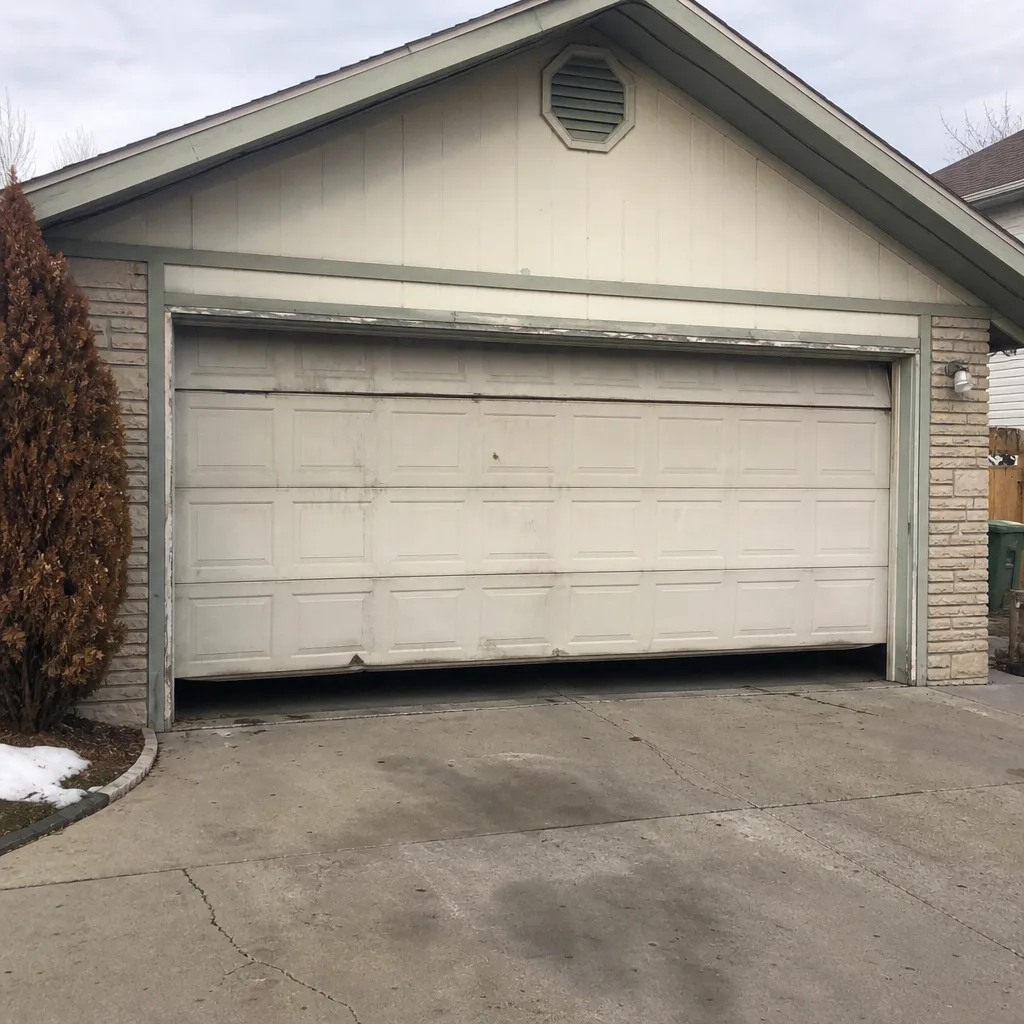 Before
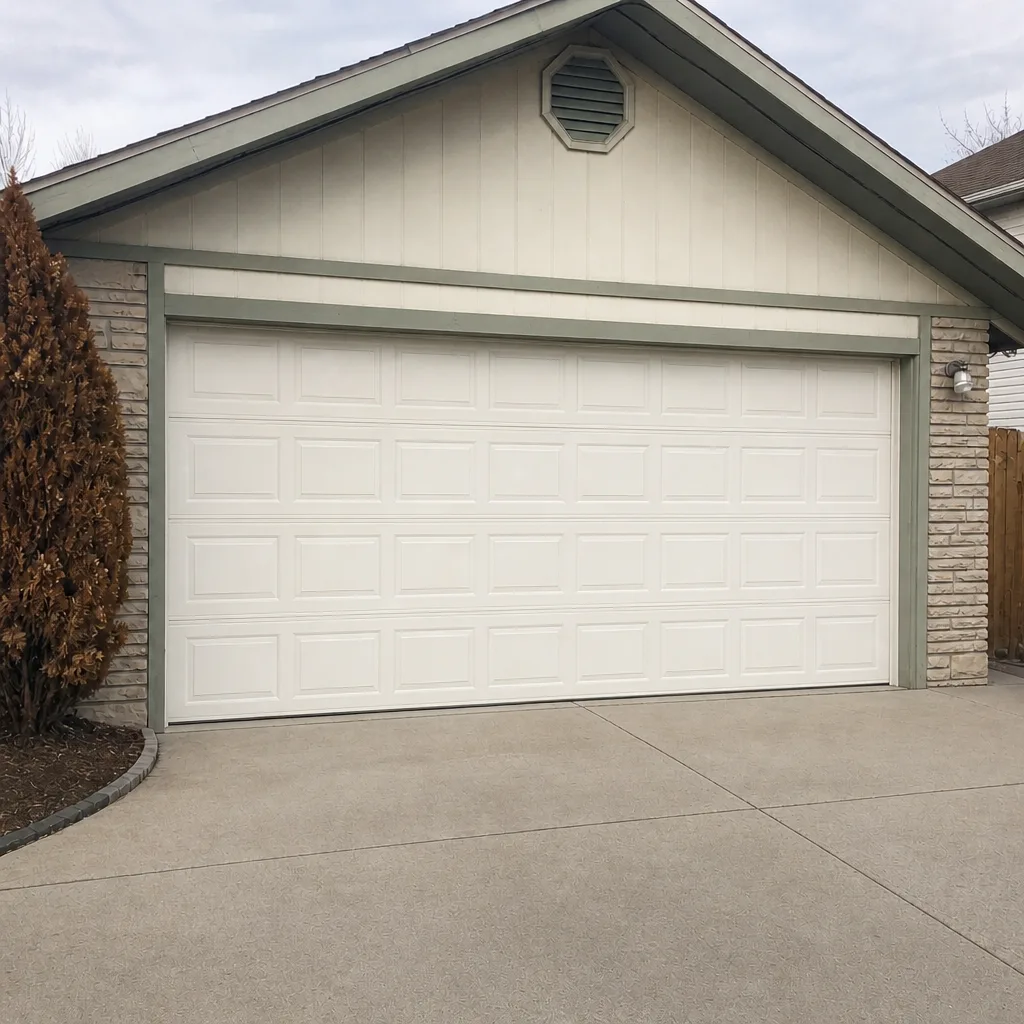 After
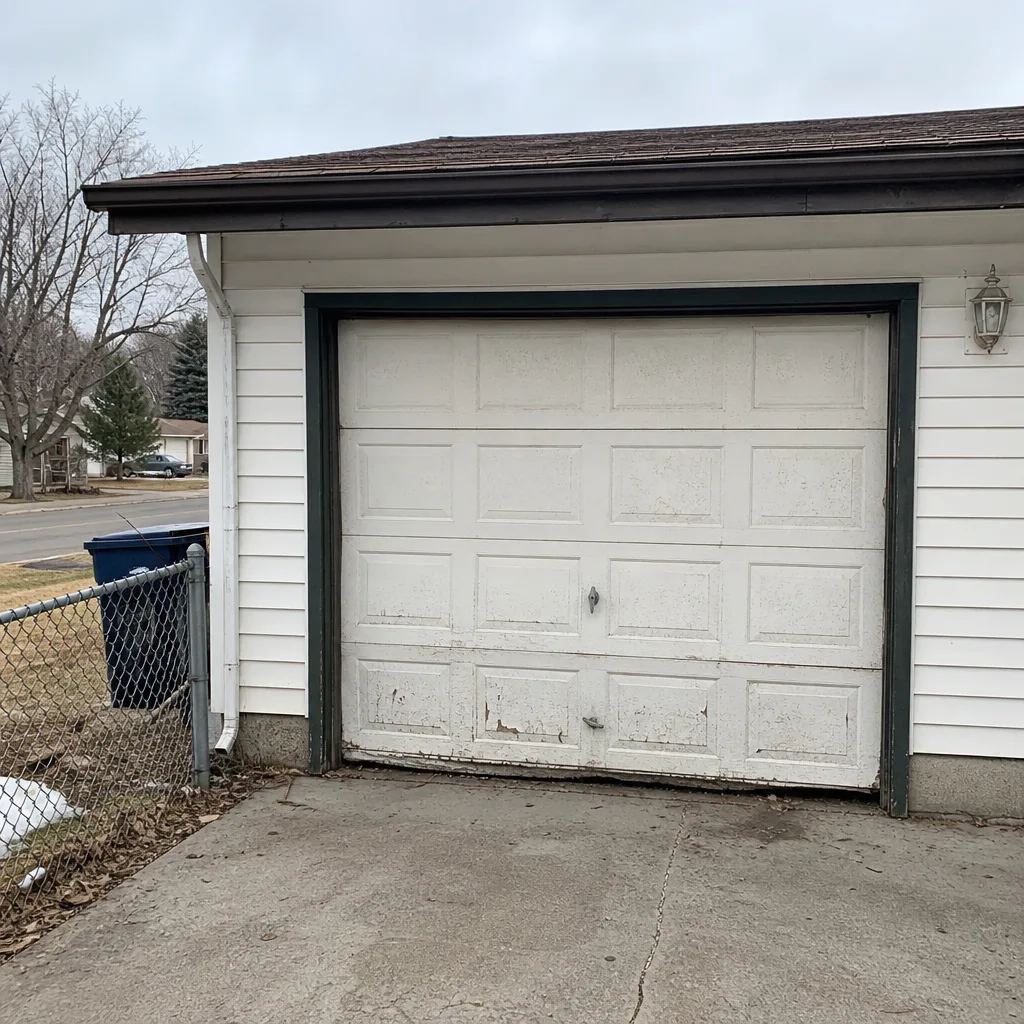 Before
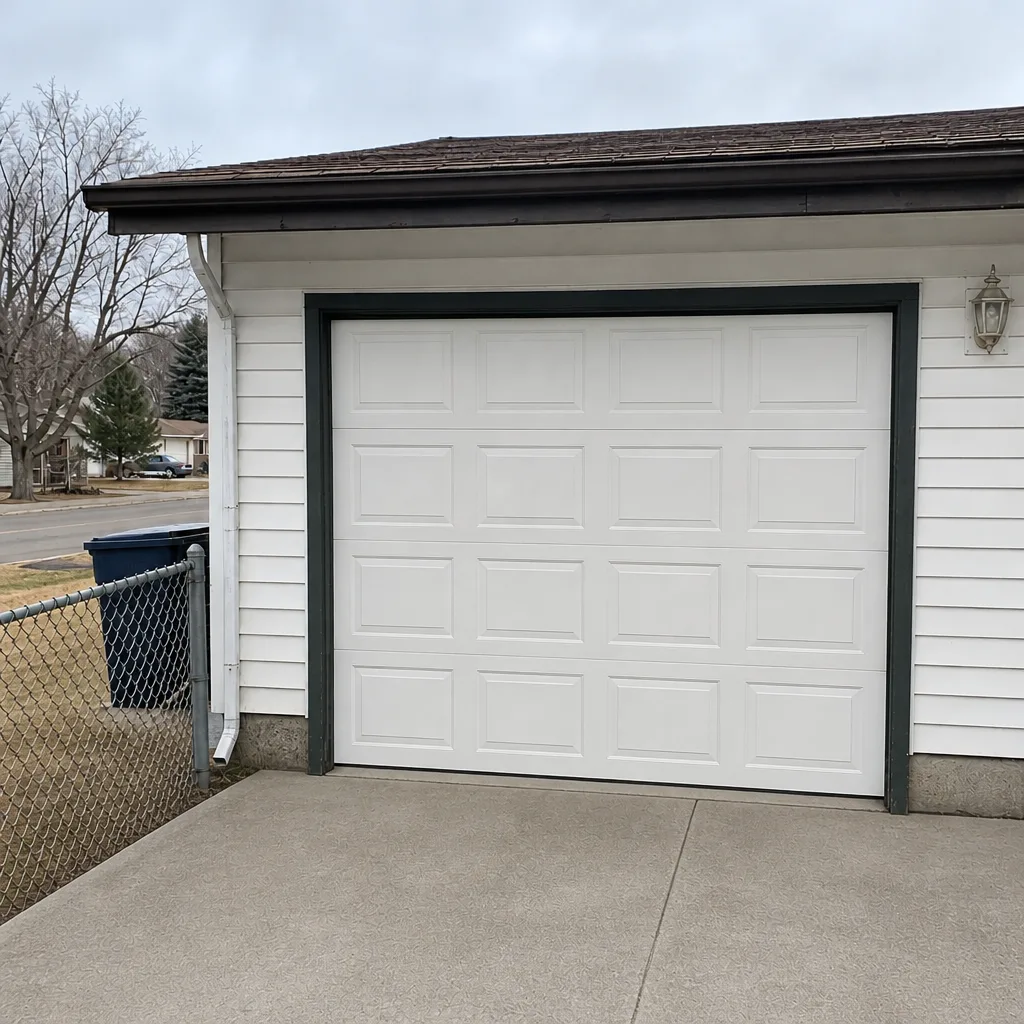 After
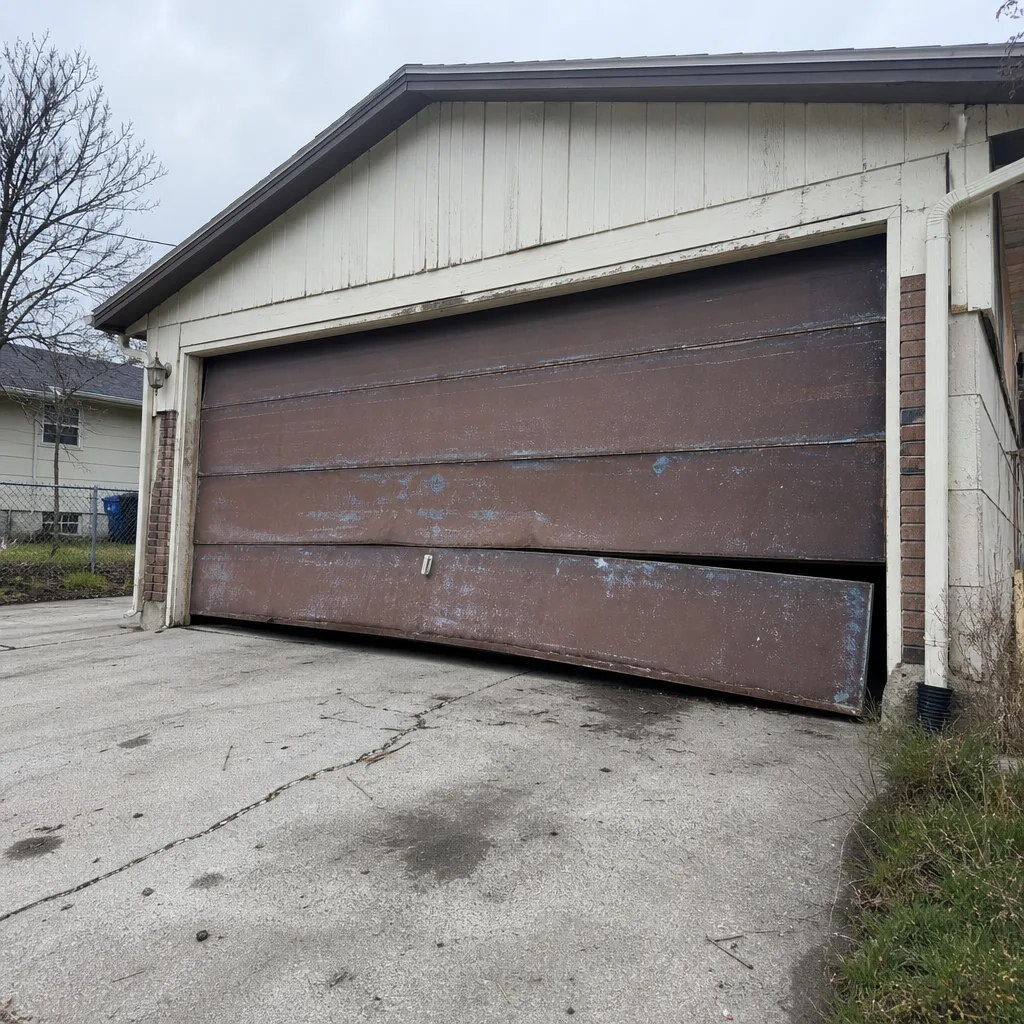 Before
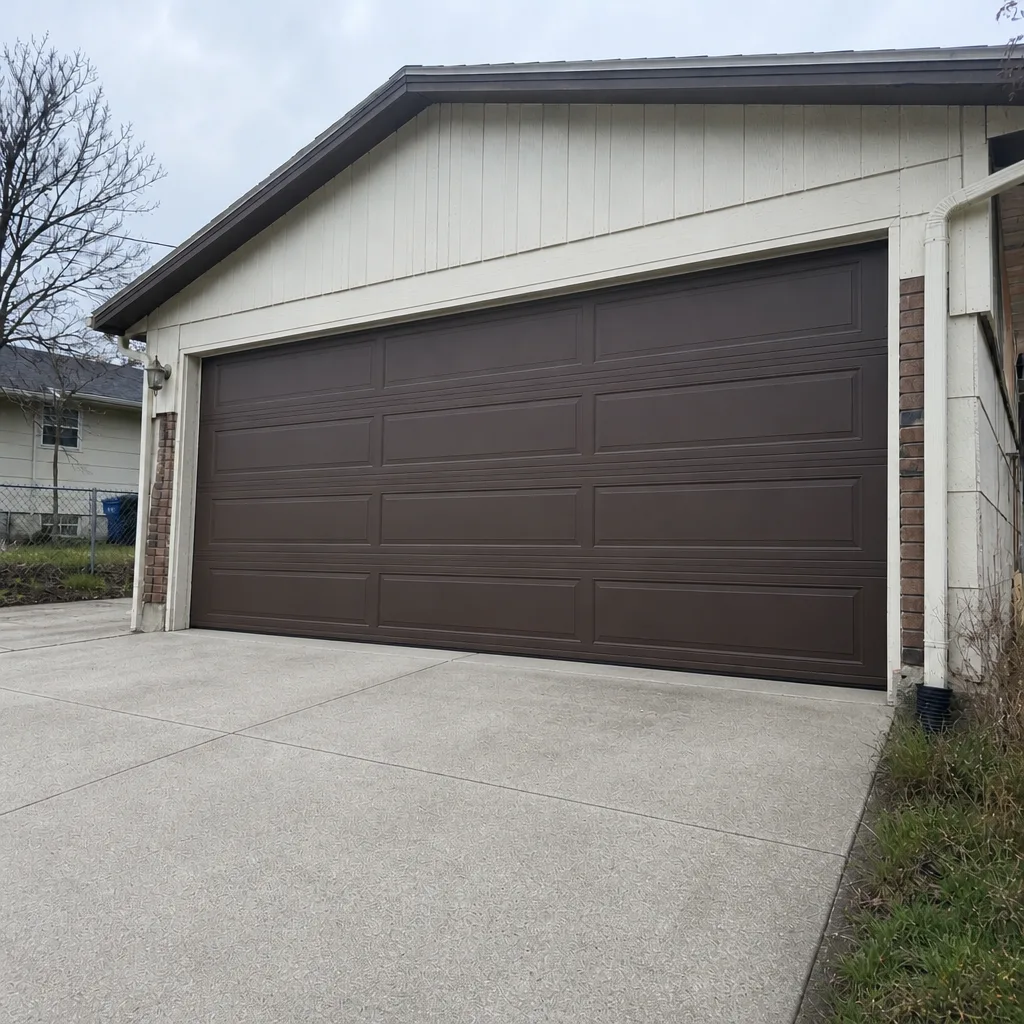 After
When to Call a Professional
Call a professional for anything involving torsion springs, extension springs, high-tension cables, or a door that won’t balance by hand. Call if you’ve started a gray-zone job and hit a seized bracket, a mismatched hinge, or a panel that won’t seat. Call if your opener’s logic board is suspect or if the door feels heavy. And call if you’re just not sure. Cypress Garage Door Service offers free estimates in Salt Lake City. Call (866) 389-4585. We answer 24/7. Fast dispatch from 7am to 7pm, Sunday through Friday. Every price is quoted and agreed before any work starts.
Frequently Asked Questions
No. Torsion springs and extension springs both store enough energy to cause severe injury when they release, and that release is unpredictable. Even with the right tools, spring replacement is a two-person professional job, and the cold winter conditions in Salt Lake City make the metal more brittle and the work more hazardous. Call (866) 389-4585 for a free estimate instead.
Yes. Lubricating rollers, hinges, and tracks with a silicone-based lubricant is a safe DIY task with no spring tension involved. Do it in a warm season rather than deep winter so the lubricant flows properly and your grip stays reliable. If you’re not sure which parts should and shouldn’t be oiled, a technician can walk you through it, but the task itself is yours to do.
Spring replacement in Salt Lake City typically costs $180 to $340 for a single torsion spring, and a matched pair usually costs about twice that. Extension spring replacement is typically $140 to $260 per spring. The written estimate you receive sets the final price, and the estimate is free. Call (866) 389-4585 for an exact quote.
Usually yes. LiftMaster and Chamberlain units in the myQ ecosystem have app-based programming paths that handle remote pairing, keypad codes, and even travel limit changes. Some proprietary wall controls won’t pair with third-party accessories, and that’s where a call helps. If the app won’t cooperate or the opener won’t respond, call (866) 389-4585 for a free diagnosis.
Not always. Cold temperatures thicken lubricant and can make a door feel heavier even when the spring is healthy. The test is to disengage the opener and lift the door by hand: if it stays where you put it, the spring is likely fine and the issue is friction or lubrication. If it slams down or floats up, the spring or cable is compromised. Call (866) 389-4585 for an assessment.
Answer three questions: does the task release stored energy, does it require working at height in a confined space, and does it require a specific tool you don’t own? If the answer to all three is no, it’s usually safely DIY. If any answer is yes, call a professional. The free estimate at (866) 389-4585 takes the guesswork out of it.
The Bottom Line
The DIY-vs-professional decision on a garage door comes down to stored energy. Weatherseals, lubrication, sensors, and opener programming are safe to handle yourself with standard tools and a little patience. Springs, cables, and anchor brackets are not, because the stored energy releases violently and without warning, and the cold at Salt Lake City’s altitude makes that release a bit more likely. Everything in between comes down to your door’s age, spring type, and opener model, and the five-question assessment in this guide is the fast way to sort it. When the job lands in professional territory, Cypress Garage Door Service is here for it: free estimates, upfront pricing quoted before work starts, and technicians with up to experience across the major brands. Call (866) 389-4585. We answer 24/7. Fast dispatch from 7am to 7pm, Sunday through Friday.
Written by the team at Cypress Garage Door Service.